'Risk underestimated': memory chip shortage threatens to last longer than investors expect
From Nintendo to Apple suppliers, consumer electronics manufacturers could be affected

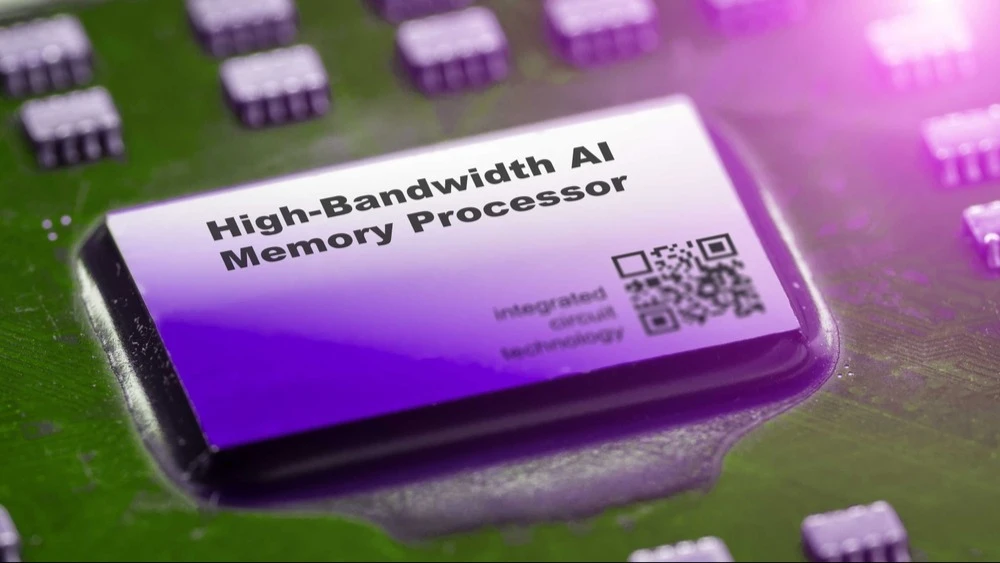
Demand for high-speed HBM memory for AI has led to a reduction in the production of traditional memory chips / Photo: Shutterstock.com
Current stock exchange quotations do not fully take into account the depth of the problems in the memory chip sector - investors are too optimistic in their expectations about restoring the balance of supply and demand, according to market participants surveyed by Bloomberg. Experts warned that in the current cycle the deficit may drag on much longer than usual.
Details
Fidelity International fund manager Vivian Pai warned that many investors are misjudging the timing of the crisis. "Duration risk remains underestimated - current estimates largely assume that disruptions will normalize within one or two quarters," she said. According to Pai, tensions in the industry will continue until the end of 2026.
Charu Chanana, chief investment strategist at Saxo, believes the shortage is factored into the quotes, but partially. "The market generally understands that memory prices have risen and supply is tight - this is no longer new information, so I believe it is factored into the price. But it seems the timing of the supply issues is now starting to be questioned," she noted.
Jian Shi Cortesi, fund manager of GAM Investment Management, pointed to the breakdown of historical patterns. She said the price rise-fall cycle in the memory chip industry usually took 3-4 years. "The current cycle has already surpassed the previous ones in both duration and magnitude, and we do not see demand dynamics weakening," she said.
Beneficiaries and victims
The market of memory chips in 2026 will face the "most serious" imbalance of supply and demand for the last 15 years, Benzinga writes with reference to a note published on February 9 by Goldman Sachs analyst Junie Lee. Goldman Sachs calls Samsung Electronics the key beneficiary of the rising cost of traditional memory types, while SK Hynix is the favorite in the AI solutions segment. In the list of attractive stocks, the Wall Street bank also included securities of the U.S. Micron and Japanese Tokyo Electron, Ulvac and Disco Corp.
While memory vendors are thriving - TrendForce predicts a near doubling in price in the first quarter of 2026 alone - end-device manufacturers are facing shrinking margins. Counterpoint Research expects the spike in memory prices to lead to a 2.1% decline in global smartphone shipments in 2026. "Apple and Samsung are in the best position to survive the next few quarters," Counterpoint Research analyst Yang Wang noted in December 2025. - But the rest will have a tough time: they have less room to maneuver to balance [maintaining] market share and margins."
The stock index of consumer electronics manufacturers has lost 10% since the end of September, while the basket of securities of memory chip manufacturers soared by almost 160%, Bloomberg noted. In particular, the shortage of memory chips provoked a sell-off of securities of Qualcomm, a supplier of processors for smartphones, Nintendo, a developer of game consoles, and Logitech, a manufacturer of computer peripherals. The dynamics of securities of Chinese brands of electric cars and smartphones - from BYD to Xiaomi - also remains weak due to concerns related to the shortage of semiconductors, the agency states.
This article was AI-translated and verified by a human editor