Russell 2000 extends longest winning streak vs S&P 500 since 2019

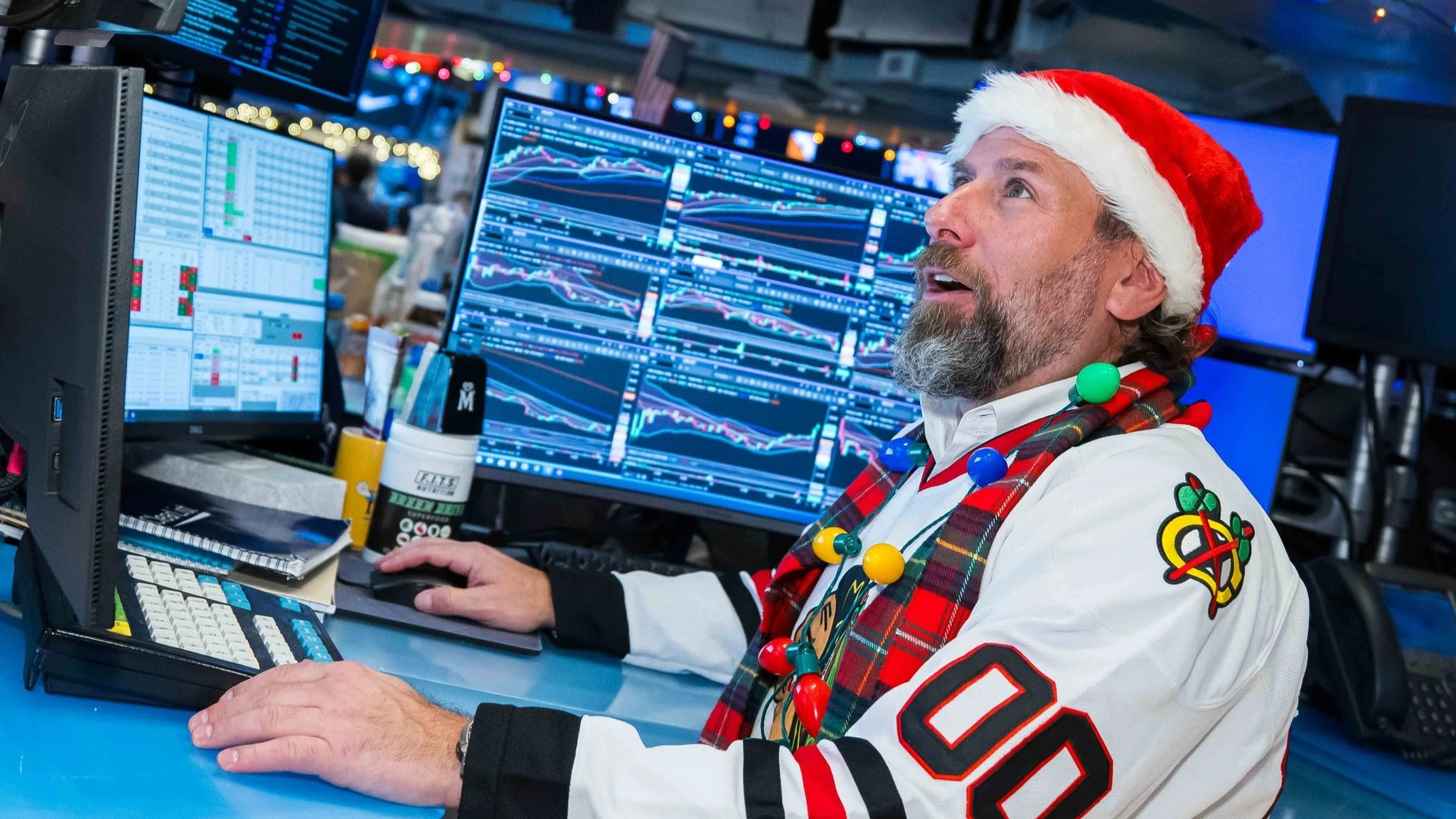
Analysts predict the growth of small companies in 2026 / Photo: Facebook / NYSE
The Russell 2000 index, which tracks small-cap stocks, set a new all-time high on Monday, January 12, and outperformed the S&P 500 for a seventh straight session, marking its longest winning streak since 2019, Bloomberg wrote. Barron’s attributed the move in part to the so-called January effect, while analysts and money managers say the rally could have further to run.
Details
The Russell 2000 rose 0.44% on Monday to 2,635.69 points, setting another all-time high. The index had also notched records on Thursday and Friday.
The small-cap benchmark more than doubled the S&P 500’s 0.16% gain on the day. It has now beaten the large-cap index for seven consecutive sessions. The last time the Russell 2000 posted a longer streak of outperformance was in January 2019, when U.S. equities were rebounding from a sharp market selloff, Bloomberg noted.
Recall that in December 2018, the S&P 500 slid 9.2% and the Russell 2000 12.0% amid rising interest rates, trade tensions between the U.S. and China, and fears of an economic slowdown, according to Bloomberg. The following month, the Russell 2000 jumped 11.0%, versus a 7.9% gain for the S&P 500.
Forecasts
This time, the rally in small caps has been supported in large part by the Fed’s three rate cuts in 2025, which have eased financial conditions for smaller companies.
Barron’s said part of the move reflects the January effect, where investors seek out lesser known stocks early in the year.
“It’s now more interesting to look at smaller companies that have been left behind,” said Samuel Rines, macro strategist with WisdomTree, as quoted by Barron's.
It also noted that the rally could persist if interest rates continue to decline and the U.S. economy remains resilient.
Looking further out, Francis Gannon, co-CIO at Royce Investment Partners, says earnings growth, rather than rates, is likely to be the more important driver in 2026. Earnings per share for the S&P SmallCap 600 are forecast to rise 15.4% in 2026, compared with 14.8% growth for the S&P 500, according to FactSet data cited by Barron’s.
“Small-caps also only recently emerged from an earnings recession that lasted more than two years,” Lauren Romeo, a portfolio manager at Royce, said. “The return to small-cap earnings growth, and, importantly, at a projected pace that is much faster than that of large-caps, could prove to be the key catalyst for sustained outperformance in 2026.”
“Don’t fight the trend. We’re starting to see a broadening out of this rally and small caps are participating,” Sean Clark, CIO at Clark Capital, told Barron’s.