S&P 500 and Dow Jones indexes jumped to records. What does this have to do with Oracle's collapse?
The company's weak report pulled the entire AI sector down, but Wedbush analysts see it as a buying opportunity on the downturn

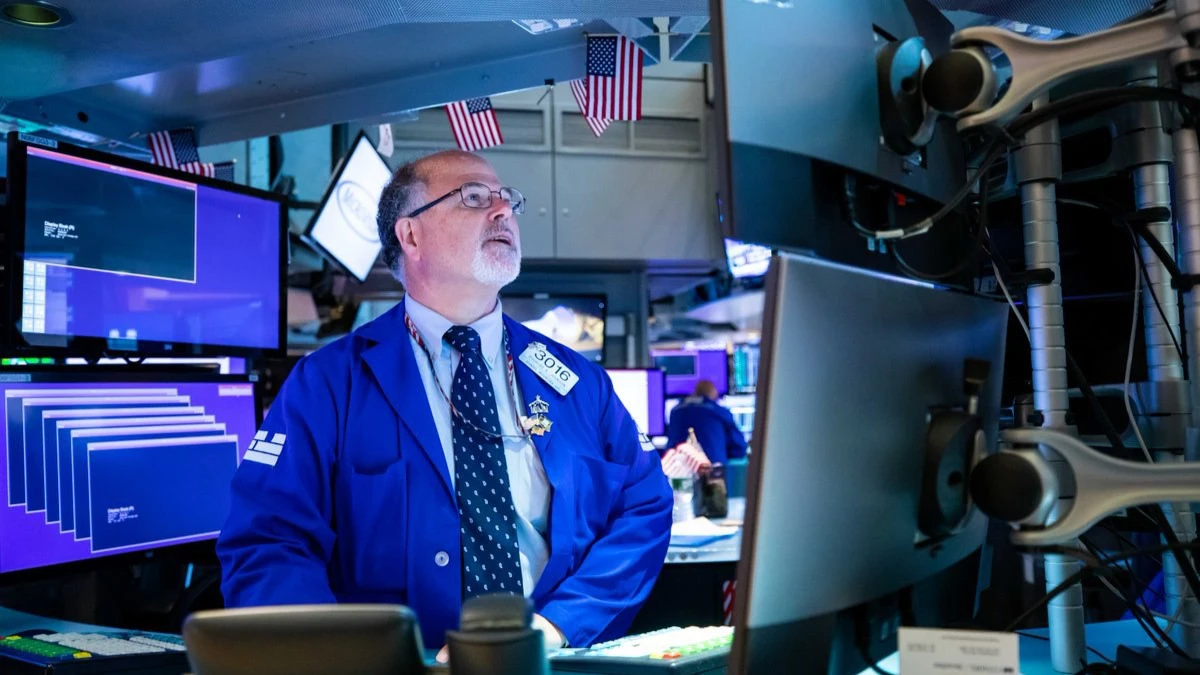
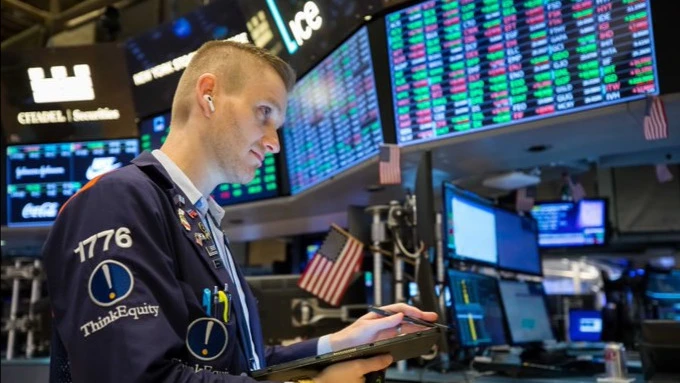
The collapse of shares of cloud services provider Oracle, which is called an indicator of the investment boom in AI, triggered a rotation of capital from this sector into the securities of companies benefiting from the acceleration of the U.S. economy. That contributed to new records for the Dow Jones and S&P 500 indexes the day after the Fed's rate cut. And the tech-heavy Nasdaq Composite became the day's outsider.
Details
- The Dow Jones Industrial Average blue-chip index soared 1.34% on December 11, reaching a new all-time high of 48,704 points. The index was supported by Visa shares, which rose in price after Bank of America analysts advised to buy them, citing, among other things, the lowest multiples over the past ten years. Investor exodus from the tech sector amid a weak Oracle report also boosted inflows into the more stable cyclical securities that make up the Dow, CNBC noted.
- The S&P 500 broad market index added 0.2% and also hit an all-time high, reaching 6901 points. The index was supported by capital rotation from the AI sector and growth of consumer companies, but the negative news from Oracle and the accompanying decline in shares of Nvidia and Broadcom restrained the growth.
- The Nasdaq Composite Technology Sector Index fell 0.25 percent to 23,594 points, becoming the day's outsider due to a sell-off in artificial intelligence-related securities.
- The Russell 2000 index of small-cap stocks jumped 1.24%, maintaining the momentum gained from the U.S. Federal Reserve's rate cut. Lower borrowing costs are especially important for smaller players, CNBC explains. The Russell 2000 renewed the record reached on Wednesday immediately following the Fed's decision.
What happened in the AI sector
Oracle shares collapsed more than 11% after the release of its quarterly report, marking its worst one-day decline since January. The company lost more than $100 billion in market capitalization during the session, Bloomberg calculated. And the fortune of its co-founder Larry Ellison decreased by $24.9 billion, as a result of which he fell from the second to the third line in the ranking of the richest milliaders.
Investors were disappointed by Oracle's revenue for the last quarter, as well as the forecast for expenses, increased by $15 billion. This increased concerns about the company's debt load: its credit risk indicator reached a new 16-year high, the agency points out. Investment in infrastructure is growing faster than revenue from cloud services, which does not suit market participants, explains CNBC.
The report also brought to the fore again concerns about the valuation of technology companies, reviving worries that fueled volatility in November, notes Bloomberg. Against this background, shares of chipmakers Nvidia and Broadcom - they lost more than 1%. Quotes of memory supplier Micron fell by 2%.
While investments in capital expenditures have previously supported gains in the shares of Nvidia and other AI chip makers, investors are starting to worry about how sustainable those spending sprees are. Particularly troubling is the extent to which Oracle and other cloud companies depend on contracts with ChatGPT developer OpenAI, Barron's notes . Nvidia investors may also have been alarmed by Oracle's statements about its intention to use semiconductors from other vendors as part of the new "neutral policy" that Ellison has announced, the publication says.
What the analysts are saying
- "Oracle faces growing scrutiny over its massive debt-financed data center expansion and the risk of over-reliance [on large customers], especially amid uncertainty around the performance of its AI investments," Emarketer analyst Jacob Bourne told Bloomberg. - That the company's revenue missed Wall Street's expectations is likely to heighten cautious investors' concerns about [Oracle's] deal with OpenAI and aggressive spending on AI."
- "Overall, Oracle's key metrics in its AI and cloud segments, as well as its order backlog, confirm healthy and sustainable demand as part of the AI revolution in the industry," Wedbush Securities analysts said in a note quoted by CNBC. - We view any sell-off in the sector today as a clear buying opportunity given the fundamental demand story, which Oracle reiterated last night."
- "The market is rightly concerned about the Oracle situation, and more broadly the whole AI investment story," Interactive Brokers chief strategist Steve Sosnick told CNBC. - There are literally trillions of dollars at stake, and yet it remains unclear exactly how it will all be realized. Oracle is to some extent playing the role of the canary in the coal mine. The market has the right to turn slightly away from this trend.
Sosnick said a year-end Santa Claus rally now "seems predetermined" and could push the S&P 500 past the 7,000-point mark. Going forward, however, he expects pressure on the broad market and has set a year-end 2026 target for the index at 6,500 points.
This article was AI-translated and verified by a human editor