Shares of fintech company collapse 40% after 'inexplicable' deterioration in outlook
If quotes don't recover, Fiserv risks becoming a major outsider to the S&P 500 index in 2025

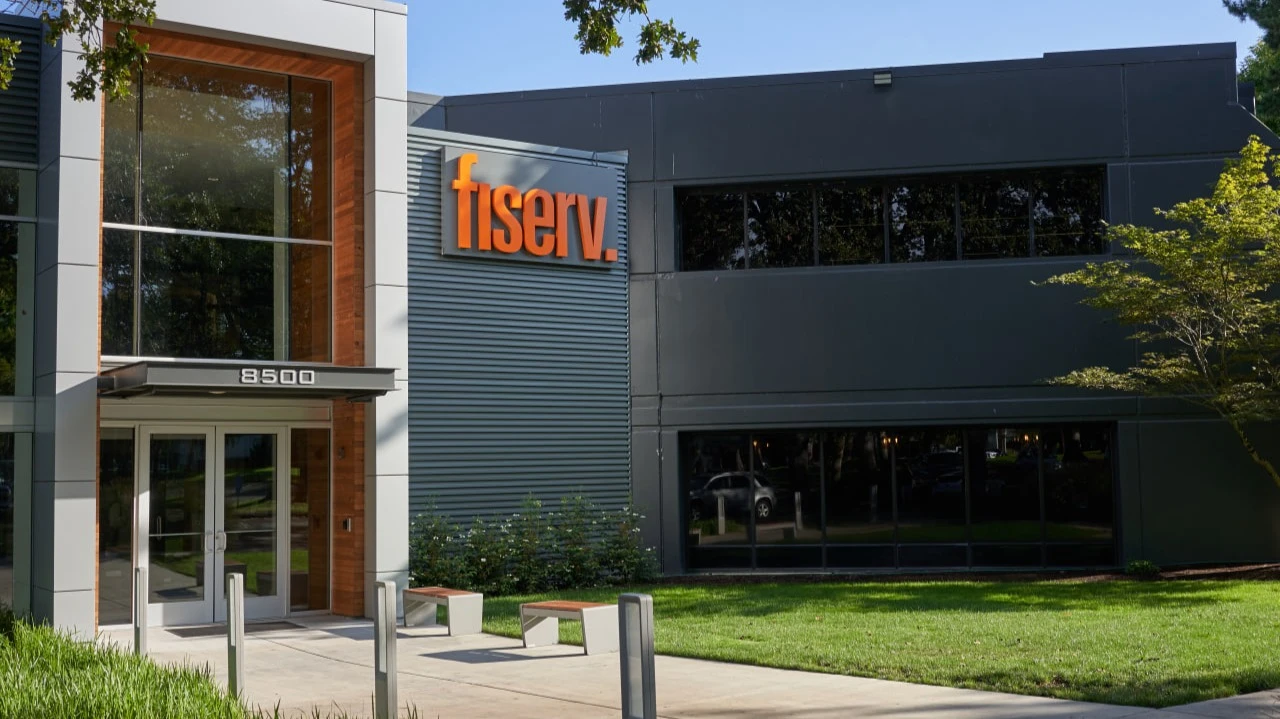
Shares of fintech company Fiserv, which more than doubled from the end of 2022 to the end of 2024, collapsed by 47% after the publication of the report for the third quarter and lowered its annual profit forecast. This became the strongest drop in quotes in the history of the company, writes Bloomberg. If the losses continue, Fiserv could become the worst performing stock in the S&P 500 index since the beginning of the year, MarketWatch notes.
The key reason for the stock collapse was problems in the financial solutions division, which provides technology infrastructure for banks and credit unions in the U.S., Bloomberg notes. The division's revenue fell 3% and margins fell to 42.5% - about five points lower than a year earlier. Adjusted revenue and earnings for the third quarter were well below analysts' expectations. Against that backdrop, Fiserv lowered its forecast for adjusted earnings per share this year to a range of $8.5-$8.6, down from earlier expectations of $10.15-$10.3 per share.
The sharp revision to the forecast surprised Wall Street analysts. Trevor Williams from Jefferies called it "hard to explain". According to him, the company has actually done a "complete reset": Fiserv now expects organic revenue growth of only 3.5-4.5% instead of the previous 10%. This change looks particularly radical, given that the previous expectations were announced just in July - when half of the year had already passed, MarketWatch notes.
Truist analyst Matthew Coad added that he was "struggling to recall such a massive miss" in the sector's history.
Fiserv CEO Mike Lyons, who took the helm in February, said on a conference call with analysts that an internal review concluded that the company would not be able to deliver on previous promises to investors. Among the reasons, he cited overly optimistic growth expectations in Argentina and a previous focus on cost-cutting that weakened the company's ability to deliver products to customers in a timely and quality manner.
According to Baird analyst David Koenig, the Argentine market has been one of Fiserv's main growth drivers in recent years, but now "excess growth in this region is declining". Excluding the Argentine business, the company would show organic growth of 5-6% over 2023-2024, while including it, the figures were as high as 12% and 16% respectively.
Founded in 1984, Fiserv is one of the largest players in the fintech market. The company began by providing data processing services for banks, and today it combines a wide range of solutions - from payment infrastructure to cloud services for financial organizations.
This article was AI-translated and verified by a human editor