Silver collapsed more than 16%, reversing a two-day recovery
Bloomberg analyst Mike McGlone thinks silver could fall to $50 an ounce

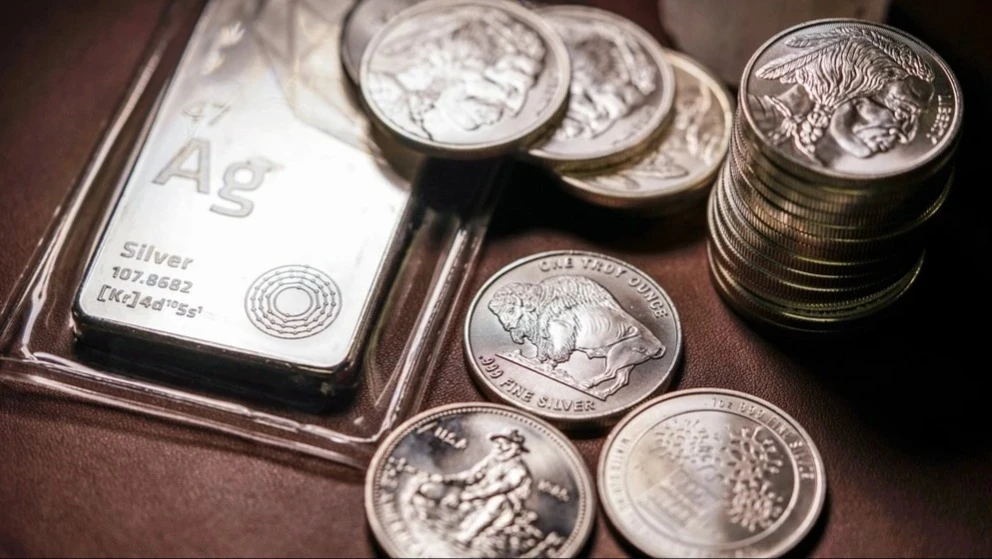
Silver has been called "gold on steroids" and "the devil's metal" because of its propensity for wild price swings / Photo: Shutterstock.com
Silver fell sharply in price on February 5 in Asian trading. The new collapse wiped out the gains made as prices recovered over the previous two days. "Gold on steroids" remains highly volatile as it tries to find a price bottom after a historic market crash.
Details
Spot silver briefly rose above $90 per troy ounce in early Asian trading, but then collapsed 16.6% to $73.6. Spot gold fell 3.5% to $4792 per ounce in volatile trading. Subsequently, quotations of the two key precious metals corrected slightly upward, but did not leave the red zone.
Precious metals soared in January in a rally fueled by speculative momentum, geopolitical turmoil, and concerns that the U.S. Federal Reserve might lose its independence from the White House. That meteoric rise came to an abrupt end late last week, with silver suffering its biggest collapse in history on January 30 and gold prices falling the most sharply since 2013.
What's next
Eva Mantei, a stock market strategist at ING, noted that silver is living up to its nickname "gold on steroids." "Silver's high volatility means it is likely to remain more sensitive to changes in market sentiment and investor positioning than gold." Mantei stated that demand for the metal from investment exchange traded funds (ETFs) remains a key driver of prices, with ETF holdings declining for eight consecutive days. "To move to a more sustainable recovery in quotations, outflows from ETFs need to stabilize," Kitco quoted her as saying.
"Price dynamics are likely to remain volatile until there is greater certainty about the [Fed's] monetary policy outlook," Bloomberg quoted Standard Chartered as saying in a research note. These short-term price fluctuations are partly due to investors withdrawing funds from exchange-traded products, but "the structural drivers (industrial demand and metal shortages - Oninvest) remain in place and we continue to expect growth to recover," the British bank said.
Bloomberg Intelligence senior market strategist Mike McGlone allows for both a rise in silver above $120 an ounce and a collapse to $50. "This year's high of $121.65 could be tested again, but a return to $50 seems like a normal trajectory for an asset known as the 'devil metal' because of its volatility," he said.
This article was AI-translated and verified by a human editor