SoftBank was considering buying chipmaker Marvell. Interest may return - Bloomberg
This could be the largest deal in the history of the semiconductor industry

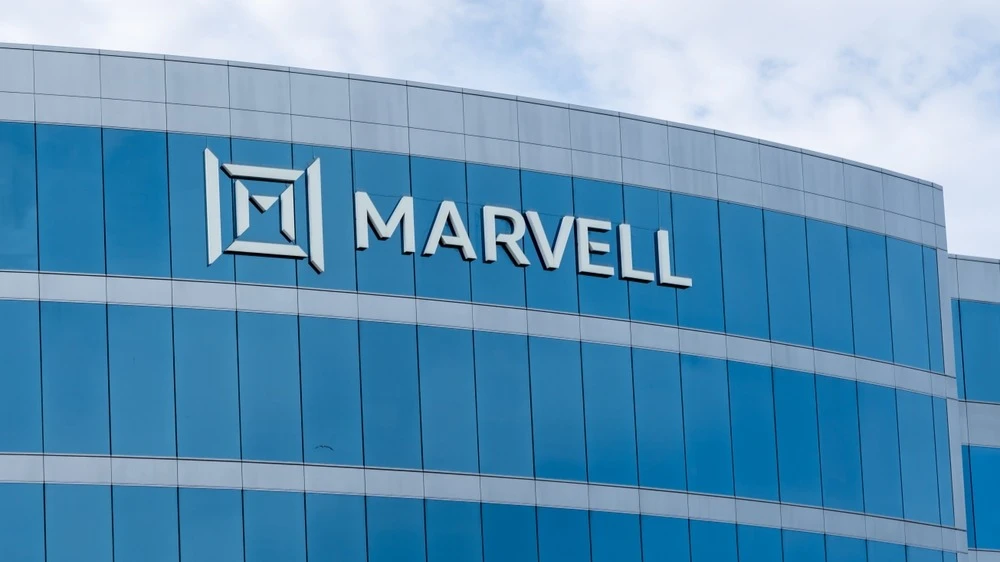
SoftBank was considering a takeover of chip maker Marvell Technology to merge it with another chipmaker it controls, Arm Holdings. Such a deal could fit into the group's strategy to increase its presence in the AI infrastructure and would intensify competition with major players in the sector.
Details
Japanese conglomerate SoftBank considered earlier this year the possibility of buying American chip maker Marvell Technology, sources told Bloomberg. If the deal had taken place, it would have become the largest in the history of the semiconductor industry, the agency notes. However, the parties could not agree on terms, it writes.
According to Bloomberg interlocutors, SoftBank founder Masayoshi Son was interested in acquiring Marvell in order to merge it with British chip developer Arm Holdings, whose controlling stake is also owned by the Japanese holding company. This is part of SoftBank's strategy to bet on hardware solutions that can benefit from the artificial intelligence boom, the agency explains.
Although Marvell and SoftBank are not actively negotiating now, interest in the deal may be renewed, Bloomberg sources note. In addition, according to their information, the chipmaker may attract other bidders for its purchase.
Representatives for Marvell, Softbank and Arm declined to comment to the agency.
Shares of Marvell Technology jumped by almost 10% on the premarket on November 6 after the Bloomberg report. At the opening of trading the growth amounted to 3%, and by the time of publication of this text - about 2.2%.
Why it's important
The purchase of Marvell would be another move by SoftBank to expand its presence in the AI infrastructure market. In March, the holding agreed to acquire Ampere Computing, a developer of processors for data centers.
A merger between Marvell and Arm could create a stronger competitor in semiconductor manufacturing, Bloomberg notes. Marvell specializes in integrating various elements of chip architecture - the kind that Arm develops - and turning them into finished designs that are then handed off to companies like Taiwan Semiconductor Manufacturing (TSMC) for production.
However, the deal with Marvell could face serious obstacles, in addition to a possible value under $100 billion. The US government is actively promoting the development of the national semiconductor industry, so the authorization of the sale of the US manufacturer to a Japanese company could be in question, despite the close relationship between Masayoshi Son and US President Donald Trump, the agency points out.
In addition, combining Arm and Marvell would almost certainly trigger anti-competitive scrutiny. Regulators in the U.S., Europe and China forced Nvidia to abandon its attempt to acquire Arm in 2020, and in 2018 mobile chip maker Qualcomm was forced to withdraw its offer to buy NXP Semiconductors after Chinese authorities did not approve the deal, Bloomberg recalls.
What's up with Marvell stock
Last year, Marvell's stock rose sharply as investors bet that Marvell's customers - including Amazon and Microsoft - would actively invest in customized AI chips as an alternative to Nvidia's solutions, Bloomberg writes. In March 2025, the company experienced its biggest drop in more than two decades after its revenue forecast was worse than analysts' expectations, while Marvell's main competitor Broadcom is actively strengthening its position, receiving orders from major new customers, including OpenAI.
Marvell's stock has lagged behind other chipmakers, Barron'snotes, falling 13.5% YTD.
In October Barclays refused from recommendation to buy these securities and advised to keep them in the portfolio. The target set by it at $80 per share implies the quotations falling by 14% relative to the last closing.
Of the 40 analysts covering Marvell shares, the majority - 31 - advise buying them (Buy and Overweight ratings), MarketWatch data shows . The remaining nine are neutral. At the same time, the average target price is lower than the current quotes.
This article was AI-translated and verified by a human editor