South Korea's stock market has overtaken Germany in value. It added $1.7 trillion over the year
The South Korean market rally was driven by the success of tech giants and the global AI boom
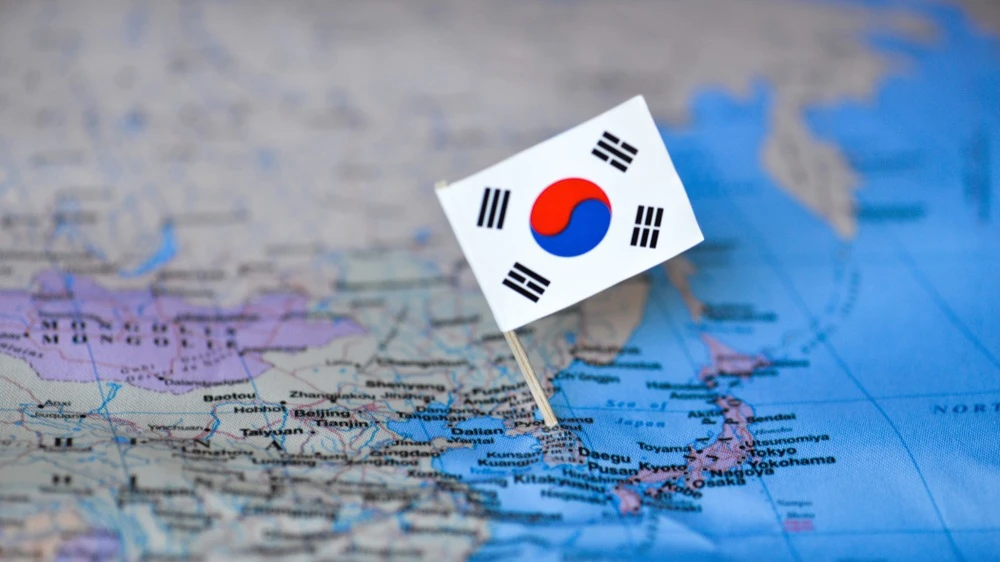
The South Korean stock market has overtaken the German stock market in terms of capitalization / Photo: Vrezh Gyozalyan/Shutterstock
South Korea's stock market has overtaken the German stock market in terms of capitalization, Bloomberg calculated on January 28. The growth of the Korean market, according to the agency, contributed to the success of technology giants and the global boom in artificial intelligence and robotics.
Details
Capitalization of the Asian country's stock market reached $3.25 trillion after increasing by about $1.7 trillion since the beginning of 2025, according to Bloomberg calculations as of January 28. These data exceeded the performance of the German stock market (its capitalization, according to Bloomberg estimates, is $3.22 trillion) and made South Korea the tenth largest stock market in the world, specifies Bloomberg, noting that before South Korea in this list is now Taiwan.
The change in the balance of power in the ranking underscores the rapid growth of Korean stocks, supported by shareholder-friendly reforms and the country's key role in the global supply chain for the AI industry, Bloomberg notes. The Kospi index rose 23% in 2026, while Germany's DAX added only 1.7% amid geopolitical uncertainty and a lack of clarity on economic stimulus, the agency explains.
"Korea is no longer just a reflection of global trade. It is the only market that is now at the center of three key 2020s megatrends at once: artificial intelligence, electrification and defense," said Impactfull Partners Managing Director Keith Bortoluzzi.
German companies' profits are under pressure due to structural declines in the automotive and chemical industries, he said, while Korea is experiencing a strong growth cycle fueled by rearmament programs and investment in artificial intelligence infrastructure.
South Korea market growth drivers
The Kospi began to outperform the German DAX last year, when hopes for rapid stimulus in Europe's largest economy waned. One of the key factors behind the South Korean rally last year was the support of South Korean President Lee Jae-myung for the stock market and the country's promotion of corporate governance reforms.
These moves coincided with a shortage in the memory market and rising prices for these components for chips and, as a result, led to a sharp rise in the share prices of chipmakers Samsung Electronics and SK Hynix. The boom in robotics also provided a significant boost to the securities of Hyundai Motor and related companies. The momentum was so strong that last week the Kospi surpassed the 5,000-point mark for the first time in history, Bloomberg points out.
Additional support for the Korean market was provided by the high share of the technology sector - it accounts for about 40% of the index weight, while industrial and defense companies play a significant role in the DAX, the agency emphasizes.
At the same time, Korean shares still look undervalued. The Kospi index trades at a P/E ratio of 10.6 to expected earnings per share, while the same ratio for the German market is 16.5, according to data compiled by Bloomberg.
Context
Despite the convergence in market capitalization, the size of the economies of South Korea and Germany remain incomparable, Bloomberg notes. In 2024, South Korea was the world's 12th-largest economy by GDP, while Germany was in third position, according to World Bank data. Europe's largest economy was about 2.5 times larger - about $4.69 trillion versus Korea's $1.88 trillion, Bloomberg reports.
The gap between South Korea's stock market capitalization and its real economy reflects a structural mismatch between export-oriented corporate profits and weak domestic demand, says Nomura Holdings economist Jeong Woo Park. While most companies in the Kospi index earn mainly from exports, the country's economy as a whole is more dependent on consumption and construction, where activity remains sluggish, the expert said.
This article was AI-translated and verified by a human editor