SpaceX IPO will unprecedentedly increase Musk's power at the expense of shareholder rights - Reuters
Space company listing could be the largest in history

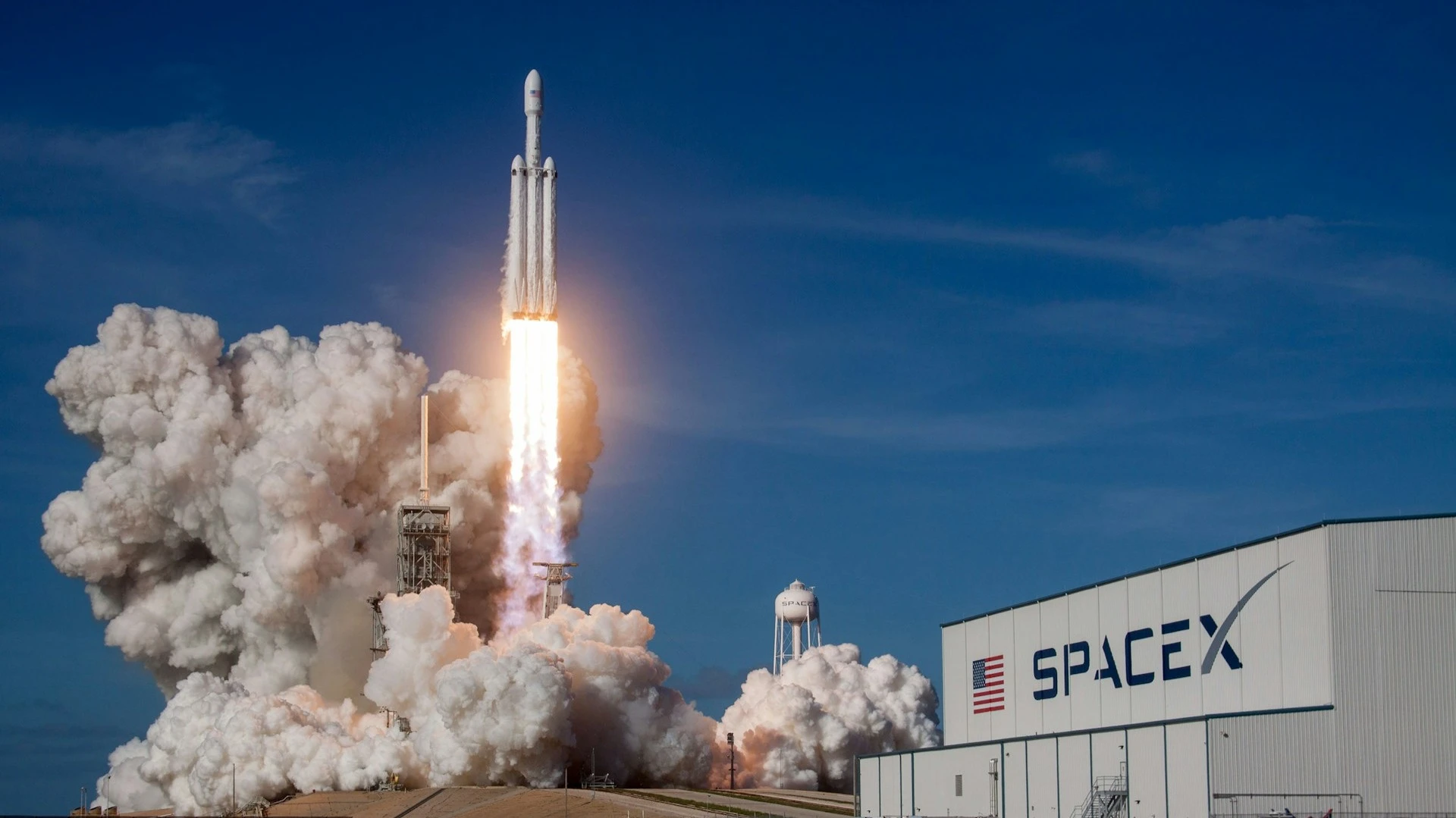
SpaceX is implementing a governance structure ahead of its IPO that concentrates control in Elon Musk and significantly limits the rights of future shareholders, writes Reuters / Photo: Unsplash/SpaceX
Elon Musk's space company SpaceX is preparing corporate governance changes ahead of its IPO that will dilute shareholder rights in an "unprecedented" way and give the billionaire "virtually unlimited" powers, Reuters claims. Future investors will be severely restricted from questioning management's performance, suing the company and demanding votes on management issues.
Details
Elon Musk controls 42.5% of SpaceX's share capital and 83.8% of voting rights, Reuters writes, citing documents filed by SpaceX with regulators on May 4. After the IPO, he will retain more than 50% of the voting power thanks to a two-class share structure: Class B securities, available only to Musk, his family and "certain entities," will have 10 votes versus one for ordinary Class A shares, which will be offered to the general public. Musk will remain both CEO, CTO and chairman of SpaceX's nine-member board of directors. No one will be able to fire him except himself, Reuters notes.
The rights of ordinary shareholders will be restricted on several levels at once:
First, the company introduces binding arbitration: a shareholder automatically waives the right to a jury trial and loses the ability to bring class action lawsuits against the company, its directors, top executives, controlling shareholders or bankers associated with the IPO, Reuters writes.
Second, the threshold for submitting proposals to a shareholder vote is intentionally high - an investor must own at least $1 million worth of stock or have a 3% stake in the company.
Finally, SpaceX as a "controlled company" (because of Musk's voting rights) is exempt from the requirement to form a majority of its nominating and compensation committees from independent directors - and SpaceX has indicated that it does not intend to do so, according to Reuters.
The choice of jurisdiction plays a separate role: SpaceX moved its legal address from Delaware to Texas in 2024, taking advantage of the state's new laws that significantly limit the scope for takeovers and activist investor actions, executive removals and lawsuits, Reuters specifies. The decision follows a high-profile court ruling in Delaware that stripped Musk of his 2018 $56 billion remuneration package at Tesla, although that decision was later overturned by a higher court in 2025.
What the experts say
Spacex's share structure "simultaneously closes the door to voting, the door to judgment and the door to proposals," said Bruce Herbert, CEO of wealth management firm Newground Social Investment, as quoted by Reuters. "It's unprecedented in terms of a complete lack of accountability," he added.
"This is unequivocally one of the most restrictive IPOs. He [Musk] is capitalizing on this ownership structure and Texas laws," said University of Pennsylvania law professor Jill Fish.
"SpaceX will become such a significant part of the market that it will be very difficult for most portfolio managers not to buy its stock because it will determine the price of everything. And if SpaceX takes off and you don't have a stake, you're going to look like a laggard in the market," said University of Colorado law professor Ann Lipton.
However, not all experts are critical. "I prefer Musk to be the one making decisions and controlling the situation. He can be controversial and do strange things, but he is brilliant at building something fundamentally new and creating wealth," said Joel Shulman, founder and chief investment officer of ERShares.
Context
SpaceX expects to raise up to $75 billion at a $2 trillion valuation, making the offering the largest in stock market history, Bloomberg wrote in April. Despite all the restrictions, investors may actively participate in the IPO for fear of missing out on growth similar to Tesla, whose shares have shown about 42% average annualized returns since 2010, Reuters noted, citing LSEG data.
Experts warn that Musk could set a precedent for other high-profile IPOs expected in the next year or two - particularly artificial intelligence companies Anthropic and OpenAI, Reuters writes.
This article was AI-translated and verified by a human editor