SpaceX, OpenAI competitors, and Burry's surprise bid: what's important about the IPO by Dec. 14

Elon Musk's space company SpaceX is planning an IPO in 2026: it could be a record-breaking one, claims Bloomberg. "Downgrade Game" shortstop Michael Burry, who made his fortune from the 2007 housing crisis, is now betting on a rise in the shares of U.S. mortgage giants after their IPOs. Just two of OpenAI's competitors, in which Alibaba and Tencent have invested, plan to go public early next year. The main events on the IPO market for the week are in our selection.
What has come to light about future placements
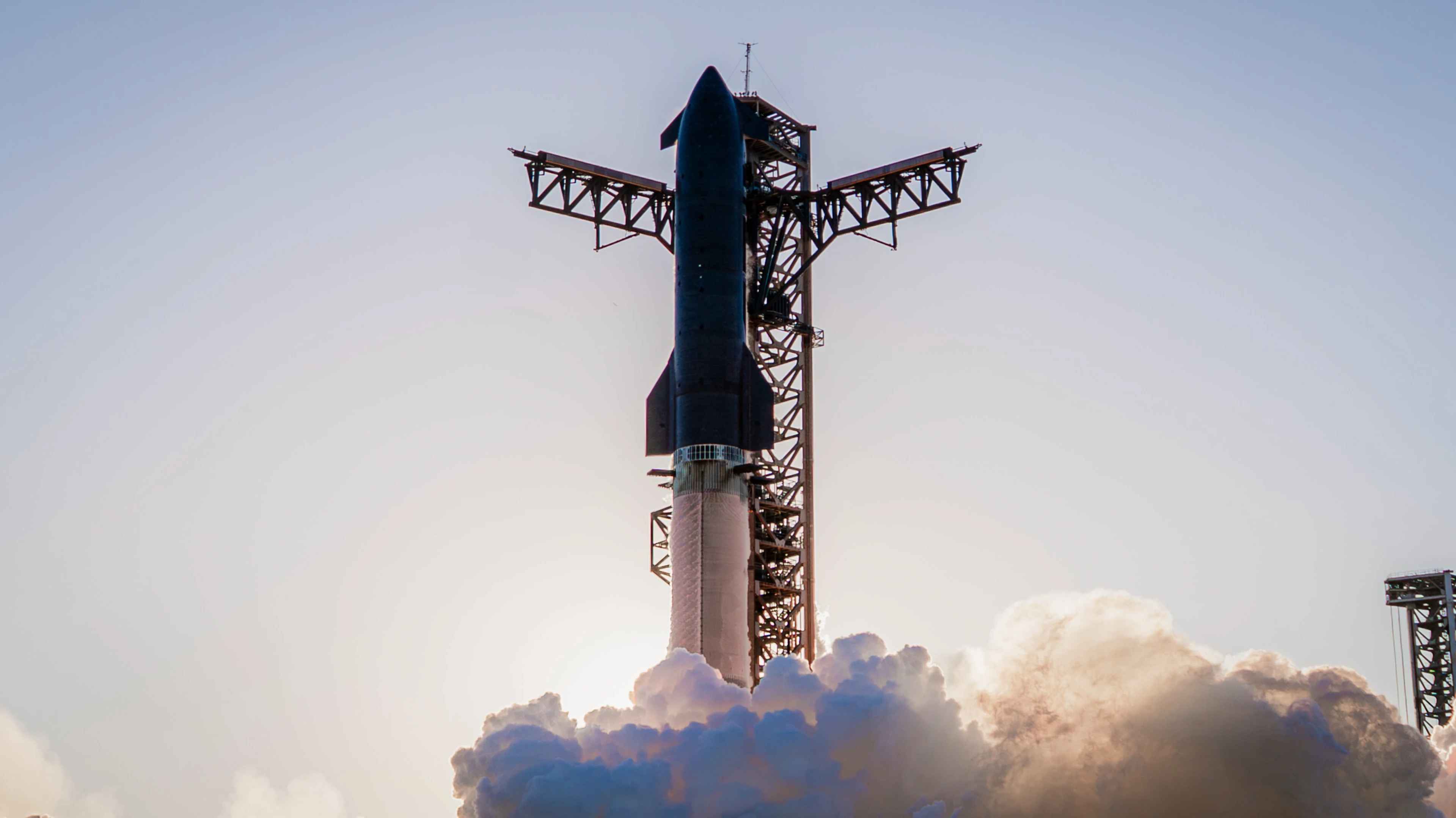
- Elon Musk's SpaceX, the world's most expensive aerospace company, is considering an IPO in the middle or second half of 2026 and expects to raise more than $30 billion at a $1.5 trillion valuation, Bloomberg sources say. The company's CEO Elon Musk called the information about it "accurate." SpaceX's listing could become the largest in history in terms of funds raised, breaking the record of oil giant Saudi Aramco, which raised $29 billion in 2019. According to Bloomberg's interlocutors, SpaceX plans to use part of the money raised to build data centers in space for the Starlink satellite network. In turn, Reuters sources say that the IPO of SpaceX may take place in June 2026, and the estimated volume of placement will exceed $25 billion.
- One of the leading suppliers of medical products Medline Industries has announced the parameters of its IPO in the United States, which could be the largest in 2025. The company plans to raise up to $5.37 billion at a valuation of $55.3 billion. Medline already went public in 1972, but was bought out and turned private five years later by its founders, the Mills brothers. In 2021, a consortium of US investment firms Blackstone, Carlyle and Hellman & Friedman acquired Medline for $34bn.
- Chinese artificial intelligence developers and "unicorns" MiniMax and Zhipu, potential competitors of OpenAI, plan to launch an IPO on the Hong Kong exchange in the coming weeks, Bloomberg reported, citing sources. Investors in both startups include tech giants Alibaba and Tencent. According to Bloomberg's sources, MiniMax's listing could take place as early as January and could raise "hundreds of millions of dollars." Zhipu, which previously considered listing in mainland China, is now also targeting a listing in more accessible Hong Kong for foreign investors in early 2026.
Results of recent IPOs
- US-based Lumexa Imaging (formerly US Radiology Specialists), one of the largest providers of diagnostic imaging services in the US, has raised $462.5m in an IPO on Nasdaq. The company offered 25 million shares at $18.5 per paper, which is in the middle of its stated price range ($17-20). The company's valuation was $1.75 billion. Lumexa Imaging was created in 2018 by Charlotte Radiology and WCAS. It has expanded rapidly in recent years, including through multiple acquisitions, but remains unprofitable.
- Shares of Jingdong Industrials (JDi), the service subsidiary of marketplace JD.com, plummeted nearly 8% in opening trading after a major IPO in Hong Kong, but fully recovered by the end of the opening day. The company raised $383 million, placing shares in the middle of its stated range. JDi applied for a listing back in 2023, but did not receive approval from the Chinese regulator until September 2025.
- Robo-advisory services provider Wealthfront Corp raised $486 million by offering 34.6 million shares at $14 a paper, matching the top end of its previously announced price range. Based on the IPO results, the entire company could be valued at $2 billion, Reuters noted.
- Cardinal Infrastructure Group, a construction company, raised about $241.5m in its US IPO. It sold 11.5 mln shares at $21 each (in the middle of the announced price band) at a valuation of the entire business at $768.74 mln.
Other important news from the world of IPOs
- The Nasdaq exchange will change its own listing rules: it will have the right to reject share offerings if it notices "red flags" (red flags) - even if the securities meet all the requirements. In this way, the exchange wants to prevent sharp fluctuations in quotations and accusations of stock manipulation, which have been characteristic of many small IPOs, especially companies from Asia, Bloomberg noted.
- American financier Michael Burry, who was one of the first to predict the 2007 US mortgage crisis, has opened large positions in the shares of mortgage lending giants Fannie Mae and Freddie Mac. Burry said he expects the IPO price of Fannie Mae and Freddie Mac to be in the range of 1-1.25 times their book value, while their shares could trade at a higher multiple of 1.5-2 within a year or two after listing. The U.S. government bought the shares of Fannie Mae and Freddie Mac during the financial crisis of 2008-2009 and is now preparing to return them to the stock exchange.
- South Korea's SK Hynix, the main supplier of memory chips for Nvidia's AI chips, is studying the possibility of a secondary listing in New York in order to increase capitalization and narrow the valuation gap with global competitors. SK Hynix quotes on this background jumped in trading in Seoul. To curb the speculative frenzy, the Korea Exchange had to prohibit traders from buying shares of the supplier Nvidia in debt.
- Japan's IPO market will reach 1.2 trillion yen ($7.7 billion) in 2025, the highest level in seven years, Bloomberg estimates. This was helped by major listings by chip materials supplier JX Advanced Metals and bank SBI Shinsei. Demand for shares of some issuers, including Japanese street fashion brand Human Made and brewer Orion Breweries, exceeded supply by more than 60 times. The activity on the Japanese market reflects the general trend of this year in Asia: the volume of initial public offerings in India renewed the historical record, and the performance of Hong Kong may become the best since 2021.
This article was AI-translated and verified by a human editor