Stock market rally threatens to dampen excitement among retail investors - Citadel


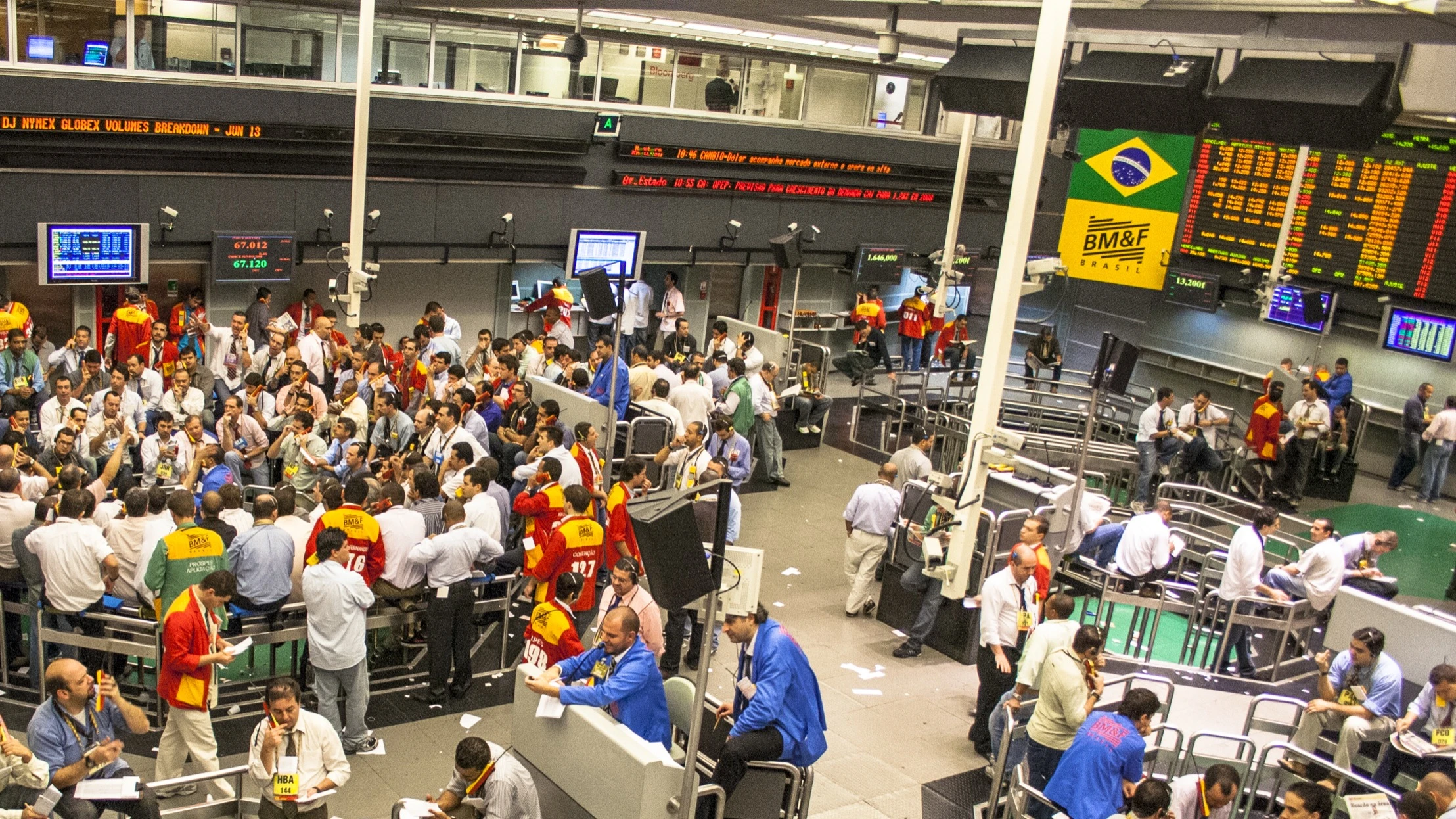
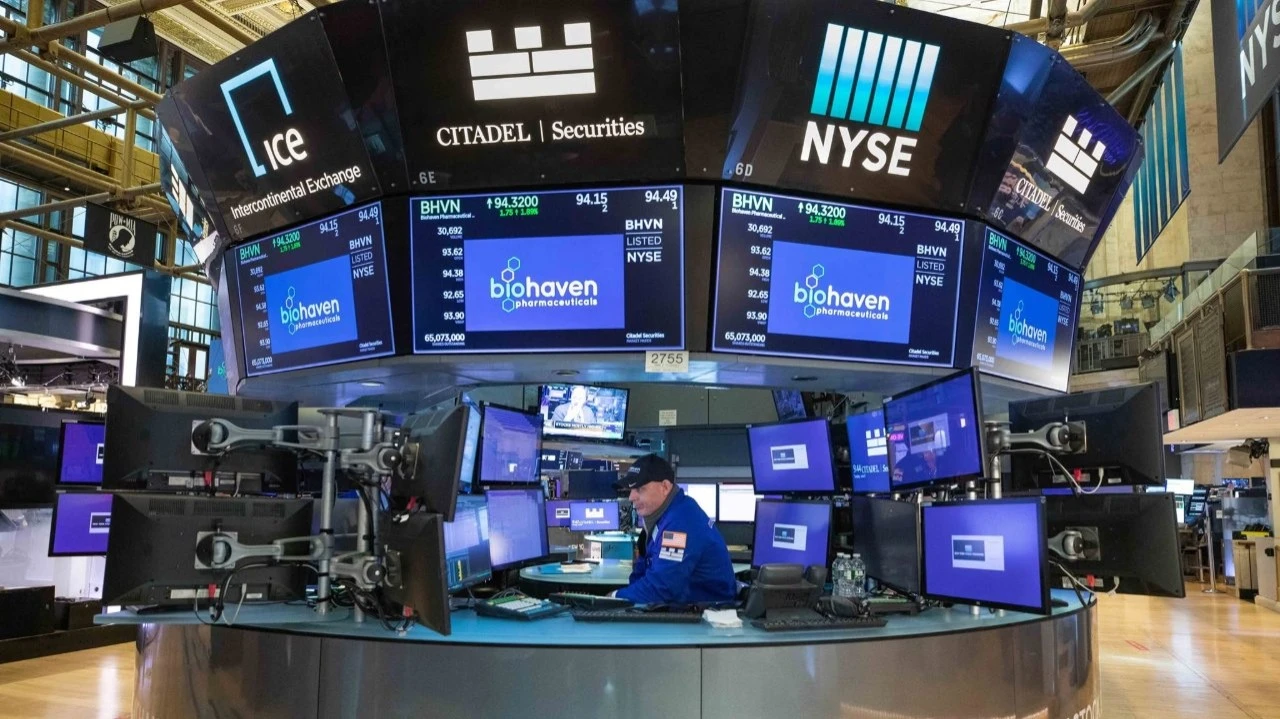
Retail traders threaten the US stock market rally/ Photo: Felix Lipov / Shutterstock.com
A record wave of buying of U.S. stocks by retail investors is starting to run out of steam, Bloomberg says, with net inflows last month exceeding January's figure by more than 50 percent a year ago, according to Citadel Securities, but seasonality and waning excitement point to the risk of a slowdown in February.
Details
It will be difficult to maintain a high pace of buying in the stock market after a strong start to the year, according to Scott Rubner, head of equity strategy at investment firm Citadel Securities, as quoted by Bloomberg.
The rally in January was largely supported by risk appetite from retail traders, the agency said. According to Citadel, net inflows were more than 50% higher last month than in the same period in 2025. And sustaining such interest will be difficult, Rubner warned. He also pointed to a shift in sentiment among institutional clients: they have increased hedging compared to the beginning of the year.
Why Citadel is waiting for consolidation
Periods of leading gains for smaller companies - and the Russell 2000 index outperformed the S&P 500 by 3.9% in January - in the past have often been followed by consolidation over the next two months, Rubner points out. Small-cap indexes are more focused on risky ideas popular with retail investors - such as drones, robotics, nuclear power and the space industry. These were the areas that dominated in January, the strategist points out. Now many of them look increasingly overvalued, and private investors may start taking profits, Rubner said.
"Recent price dynamics indicate that this risk is becoming increasingly relevant," he wrote. - Periods of returning interest in large-company growth stocks and defensive sectors have coincided with pressure on areas dominated by retail investors, highlighting their vulnerability if new buying slows."
Weak February
Seasonality is an additional negative factor. According to Citadel Securities, since 1928, February has historically been the second weakest month for the stock market. The S&P 500 Index declined by an average of 9 basis points in February.
According to the investment firm's statistics, retail investor activity has consistently weakened from January to February since 2017. A sharp inflow of funds at the beginning of the year is usually followed by a reduction in cash volumes. As Investopedia wrote in 2024, we may be talking about the so-called "January effect": retail traders get rid of securities at the end of the year and reinvest funds at the beginning of the next one to avoid high income taxes. However, such an effect is rather random, the publication pointed out.
This article was AI-translated and verified by a human editor