"Stress and volatility unlikely to subside": major US equity indices lose more than 1%

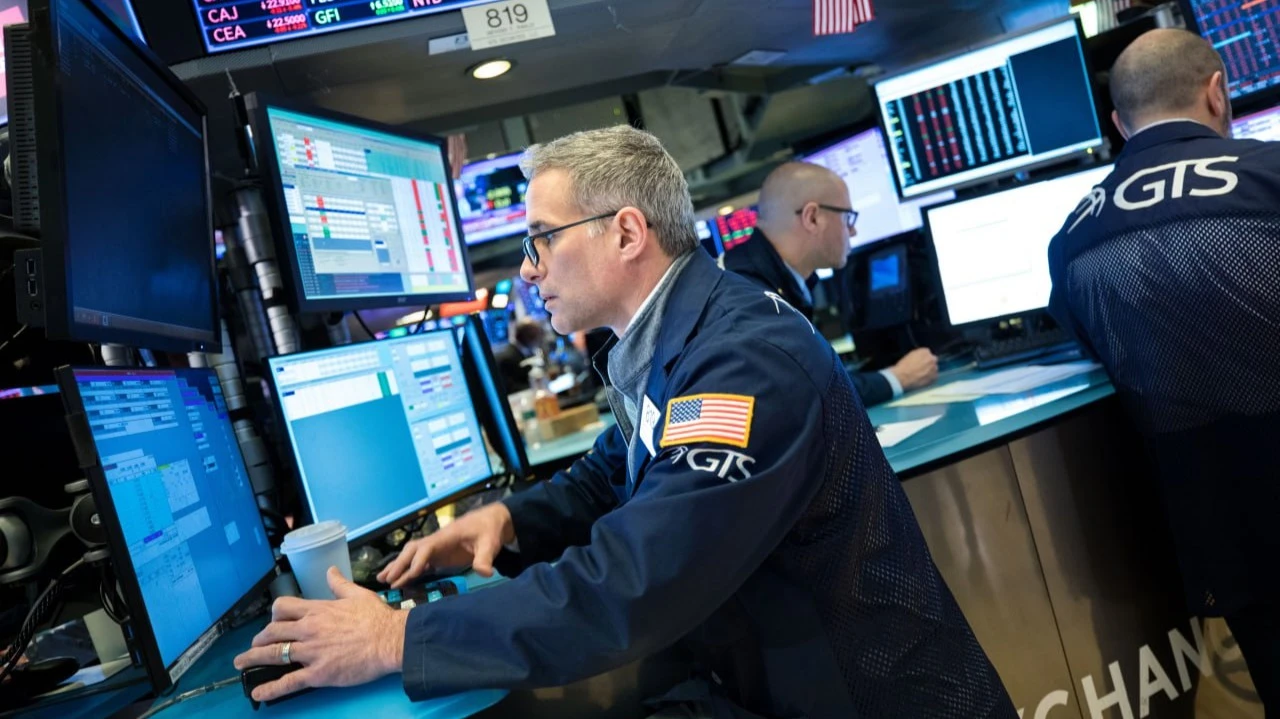
Photo: X / NYSE
The sell-off in U.S. stock markets continued on March 9 after the biggest weekly drop since last October - the prospect of a protracted war in Iran has sent energy prices soaring and heightened fears of rising inflation.
Details
- Against this background, the S&P 500 - a broad index of American stocks - lost a little more than 1% at the beginning of trading on March 9, the same amount of decline in technology Nasdaq Composite, the index of "blue chips" Dow Jones loses 1.25%, the index of shares of small and medium capitalization companies Russell 2000 fell the most - minus 2.33%.
- The VIX Volatility Index, also known as the "Wall Street Fear Index," meanwhile rose more than 5% to 31 points, any value above 20 is already indicative of volatility in the markets.
- The price of Brent crude oil soared 10.46% to $102.4 per barrel, at an intraday high of more than $119 on March 9 - amid a reduction in oil production by the world's largest exporter, Saudi Arabia. It took such a step due to filling storage facilities following the UAE, Kuwait and Iraq, Bloomberg points out. Oil and gas companies, including Chevron (plus 0.2%) and Exxon Mobil (plus 0.74%), are showing growth amid rising energy prices.
Markets are also reacting to Iran's appointment of the son of the late Ayatollah Ali Khamenei, Mojtaba Khamenei, as the country's new supreme leader, as well as the ongoing attacks by the Islamic Revolutionary Guard Corps in the Middle East. US President Donald Trump has previously said that short-term fluctuations in oil prices are, in his view, "a very small price to pay" and energy costs will fall quickly "when the Iranian nuclear threat is eliminated."
What the analysts are saying
"Markets will remain vulnerable and wary of a 'super spike' in global oil and gas markets if the conflict [in the Middle East] drags on for months rather than weeks," said David Cassidy, head of investment strategy at Wilsons Advisory (quoted by Bloomberg).
"Stress and volatility [in markets] are unlikely to subside until there is clarity on the end [of the conflict in the Middle East] or at least [clarity on the ability to] safely transport [energy]," added SLC Management managing director Deke Mullarkey.
This article was AI-translated and verified by a human editor