The British department revealed the budget provisions ahead of schedule. Bond yields fell
The leak overshadowed a speech to Parliament by Finance Minister Rachel Reeves. In July, her tears caused a stock crash

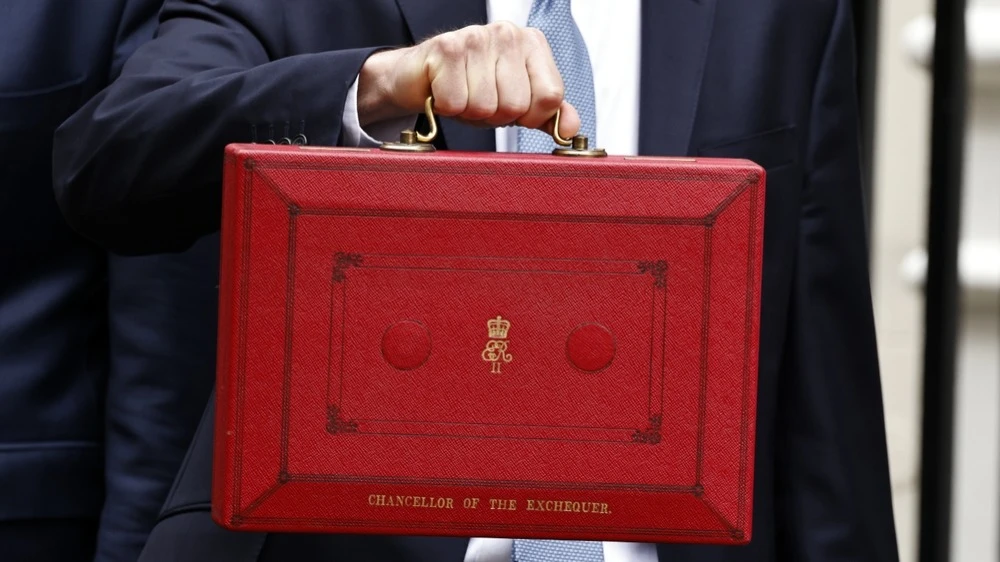
Britain's Office for Budget Responsibility (OBR) has revealed key provisions of the country's main financial document - about half an hour before Chancellor of the Exchequer Rachel Reeves was due to present it in Parliament, Reuters reports. The department usually publishes the budget only after the Treasury chief has finished speaking. This leak is the first in the 15 years of the OBR's existence, Bloomberg notes.
Reeves criticized the early release at the beginning of her House of Commons speech, calling it a serious error. The agency itself attributed the incident to a technical problem, apologized and promised to investigate.
As expected, the government has extended the freeze on income tax thresholds until March 2028, and raised levies on income from property, expensive housing and online gambling, Barron's wrote . OBR wrote that these measures will give the Cabinet more headroom while it tries to meet its own fiscal rules. That margin - that is, how much money the authorities can spend or borrow without breaching limits on the size of the debt and budget deficit - increased to 22 billion pounds from 9.9 billion pounds in March, the department said. By 2030, the British budget should be on a trajectory of balance or surplus and government debt should fall.
The British Cabinet needed to present a budget without the slightest drama - and demonstrate enough political and economic credibility to fend off pressure from voters and the debt market, Barron's explains. However, the leak did not lead to a shock, the publication notes.
The yield of benchmark 10-year government bonds of the country for 15 minutes after the early publication fell by 10 basis points - investor confidence grew due to the growth of borrowing opportunities from the state, reports Bloomberg. FTSE 100 index at the end of the trading day added 0.9%. The British pound, contrary to market forecasts, rose by 0.2% to $1.32.
Reeves is grappling with a cost-of-living crisis that has contributed to the ruling Labor Party's falling popularity, Barron's writes. In July, she cried in parliament after Prime Minister Keir Starmer failed to back her in a policy debate. Then the pound fell, government bond yields soared and the stock market lost 3 billion pounds.
This article was AI-translated and verified by a human editor