The cost of Brent collapsed by 14%. The price fell below $100 per barrel
Trump says "very good and productive talks" with Iran

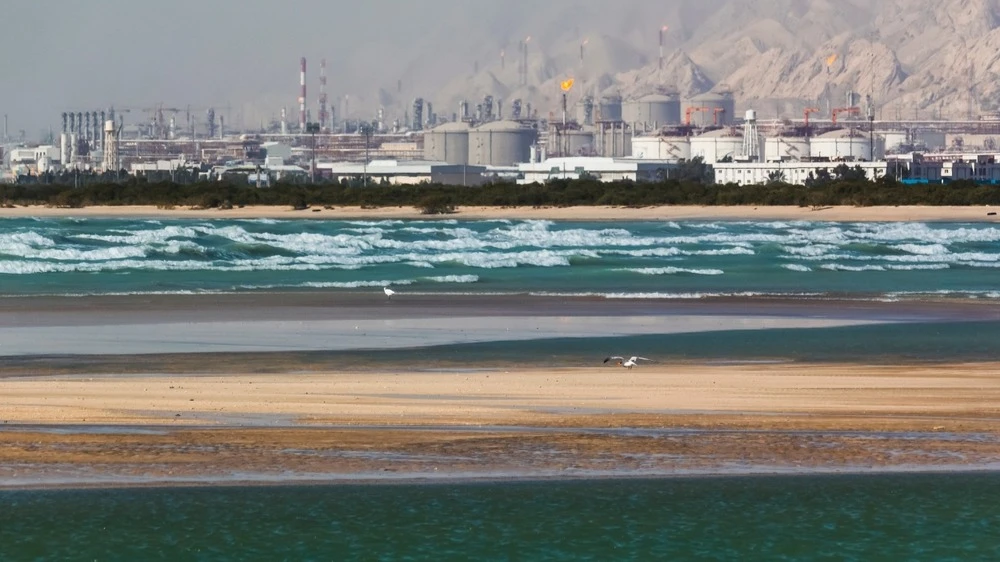
The cost of Brent crude oil has accelerated its growth / Photo: Shutterstock.com/The Lumenist
The cost of Brent crude oil collapsed by 14% and fell to $96 per barrel during trading on March 23, follows from the data of the Intercontinental Exchange and Bloomberg. U.S. WTI crude futures also fell by 14% to $84.37 per barrel at the moment.
Soon after the initial collapse, the quotes recovered their losses. In particular, Brent slowed down and cost almost $105.
Natural gas also fell in price in Europe, with the price of futures dropping by more than 9% at the moment, Bloomberg reports.
The cost of oil and gas fell sharply after US President Donald Trump said talks with Iran convinced him to postpone any strikes on Iran's energy infrastructure for five days. Trump said the sides had held "very good and productive talks over the past two days regarding a full and comprehensive resolution to the hostilities in the Middle East."
Futures on major stock indices in the U.S. abruptly changed direction and went from falling to rapid growth. Thus, futures on S&P 500, Dow Jones Industrial Average and Nasdaq 100 rose by about 2%. The Dow was adding over 1,000 points at the moment.
European shares also changed their dynamics sharply. In particular, the Stoxx 600 index was understood at the peak by 1.9%, although earlier on Monday it fell by 2.5%.
Context
The global oil and gas market has been in crisis since the U.S.-Iran war began. Tehran effectively blocked the Strait of Hormuz, which connects the oil-rich Persian Gulf with the open sea. Before the war, about 20% of the world's oil supplies passed through this strait.
In addition, Israeli strikes and Iranian retaliatory attacks have damaged energy infrastructure in the region. For example, Iran's South Pars gas field and a large liquefied natural gas plant in Qatar were affected.
De-escalation of the conflict could lead to the resumption of some supplies, although it will largely depend on how soon ship owners are willing to allow passage through the Strait of Hormuz, Bloomberg notes.
This article was AI-translated and verified by a human editor