The Dow Jones broke the 50,000-point mark for the first time. The market rebounded after the sell-off
The bull market is not dead, but aging, according to investment firm Bellwether Wealth


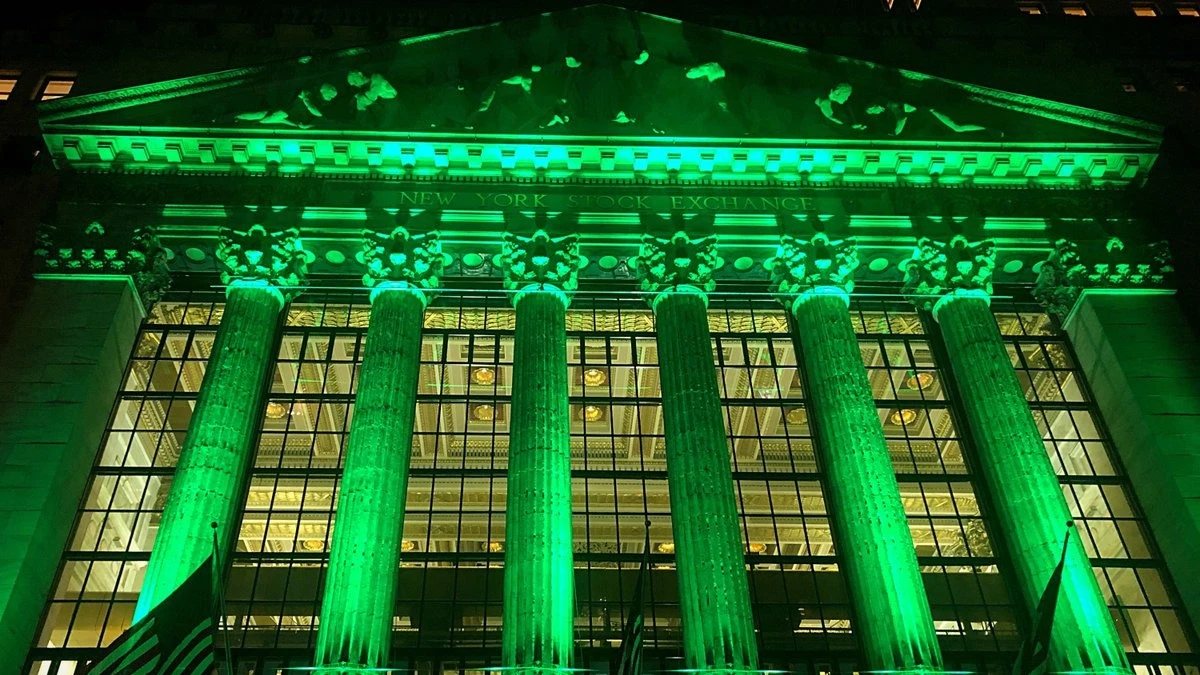
Photo: X / NYSE
The U.S. stock market rose sharply at the end of trading on February 6 after three days of sell-off, and the Dow Jones index even broke the historical mark of 50,000 points. Stocks were supported by a new wave of buying on the drawdown, writes Bloomberg. In the middle of the week, investors got rid of the securities of hyperscalers because of their promises to spend hundreds of billions on infrastructure for AI. On Friday, thanks to these plans, the market saw a recovery of chipmakers. Cyclical stocks also showed strong gains. Software makers, whose collapse this week was dubbed the "software apocalypse," began to recoup losses.
Details
- The Dow Jones blue-chip index jumped 2.5% and crossed the 50,000-point mark for the first time in history. It showed the best result since Ma last year, indicates CNBC. The Dow Jones is the only one of the three major indexes that managed to stay in the plus at the end of the week, its growth amounted to the same 2.5%. It benefited from a partial rotation in favor of stocks in cyclical sectors, while the broad market was under pressure from the tech sell-off, the channel explains.
- The S&P 500 broad market index added 2% on Friday and returned to the green zone since the beginning of 2026, which it left the previous day in a collapse. The S&P 500 also had its best-performing trading day since Ma, CNBC wrote. Nearly 400 stocks in its lineup gained. Despite Friday's rebound, the index was down 0.1% for the week.
- The Nasdaq Composite Technology Index rose 2.2%, but it remained down 1.8% since the start of the week.
- The Russell 2000 index of small capitalization companies soared by 3.7%. Investors were actively buying securities outside of Big Tech, CNBC explains. Over the week, the index rose 2.5%.
- Bitcoin has recovered almost all the losses recorded during the collapse on Thursday, Bloomberg calculated . The price of the largest cryptocurrency rose by 12% to about $70,000. Nevertheless, bitcoin fell in price by 16% at the end of the week.
- The VIX volatility index, known as Wall Street's "fear gauge," fell back below the psychologically important 20 mark, which it surpassed the previous day, reaching its highest level since November. It was trading near the 17.5 level at the close on February 6.
What influenced the stock
One of the leaders of growth on Friday were chipmakers Nvidia and Broadcom, whose shares added 8% and 7% respectively. The index of semiconductor companies rose by 5.7% during the day. The catalyst for the growth was the capital expenditures of hyperscalers: in total, they reported plans to spend more than $660 billion on infrastructure for AI. AI chip and memory manufacturers will be among the main beneficiaries of these investments.
The market recovery on Friday contributed to the rise in cyclical stocks, reports CNBC. Quotes of industrial equipment manufacturer Caterpillar jumped by 7%, and aircraft engine manufacturer GE Aerospace - by almost 5%. Shares of aerospace corporation Boeing rose by 2.6%, and securities of airlines Delta and United - by 8% and 9.2%, respectively.
Shares of software developers have begun a partial recovery after surviving the so-called software apocalypse this week. Investors rushed to sell them off as AI startup Anthropic announced new features to automate the work of lawyers, financial analysts and other data providers. Fears that AI will disrupt the business models of software companies caused the iShares Expanded Tech-Software Sector ETF to fall more than 24% since the start of 2026 and 9% for the week. It ended Friday trading up 3.5%. Oracle shares rose 4.7% for the day, while Palantir added 4.5%. However, ServiceNow, which was in the epicenter of the sell-off, never recovered: on Friday it fell in price by almost 2%, and over the week - by 14%.
On the last trading day of the week the market was also supported by data on consumer sentiment in the U.S. - it unexpectedly improved to the highest level in six months, mainly due to affluent Americans, Bloomberg writes. The preliminary value of the University of Michigan index for February amounted to 57.3 - compared to January's figure of 56.4 and Wall Street's forecast of 55. The report also showed that consumers have become more relaxed in assessing the short-term inflation outlook, the agency writes. But long-term expectations of rising prices have risen slightly.
What the analysts are saying
- "My opinion: the market has overreacted," Kenny Polcari of SlateStone Wealth told Bloomberg. - This is a moment to keep a cool head. Now is not the time to panic. For long-term investors, it's a time to go shopping. A lot of things are selling at a discount right now."
- High volatility during the reporting season doesn't necessarily signal the end of the bull market, but could indicate that forecasts have become overinflated, according to Bellwether Wealth Chief Investment Officer Clark Bellin. "The bull market is not dead, but it is aging," CNBC quoted Bellin as saying. - We wouldn't be surprised if investors start paying more attention to corporate earnings and profitability." He said investors should "remain alert to opportunities" in case the market sags, but should not buy every decline.
- Emotional shorting sell-offs like the one earlier this week can be "blown out of proportion," but it's a "normal and healthy calibration," Nationwide's Mark Hackett noted and recalled the adage "Trees don't grow to the sky." "The overall state of the economy and company reports remain encouraging, indicating a realignment of positions and a technical pause rather than a fundamental failure," he said.
- Markets have already adapted to higher duties, a slowing economy and global uncertainty - and yet continued to move upward, reminds Gina Bolvin, president of Bolvin Wealth Management Group. "It shows that [investor] confidence is real, and 2026 will be less about the Fed and more about fundamentals," she told Bloomberg. Bolvin expects further volatility this year. Traders in such a situation should bet on quality companies with solid earnings and be prepared for rotation rather than progressive growth, she said.
- Whatever happens today, the problems surrounding software companies and the profitability of the artificial intelligence industry will not go away, according to Matt Maley of Miller Tabak. If tech stocks sag significantly again in the next week or two, there will still be serious risks in the sector, he warned.
- "The 'rotating bull market' remains a theme," Piper Sandler analyst Craig Johnson told Bloomberg. He named the sectors he favors as energy, basic materials excluding precious metals, industrials, transportation, health care, banks, and parts of the technology and consumer discretionary sectors.
This article was AI-translated and verified by a human editor