The first LNG tanker in two months of war has left the Persian Gulf. What about prices?

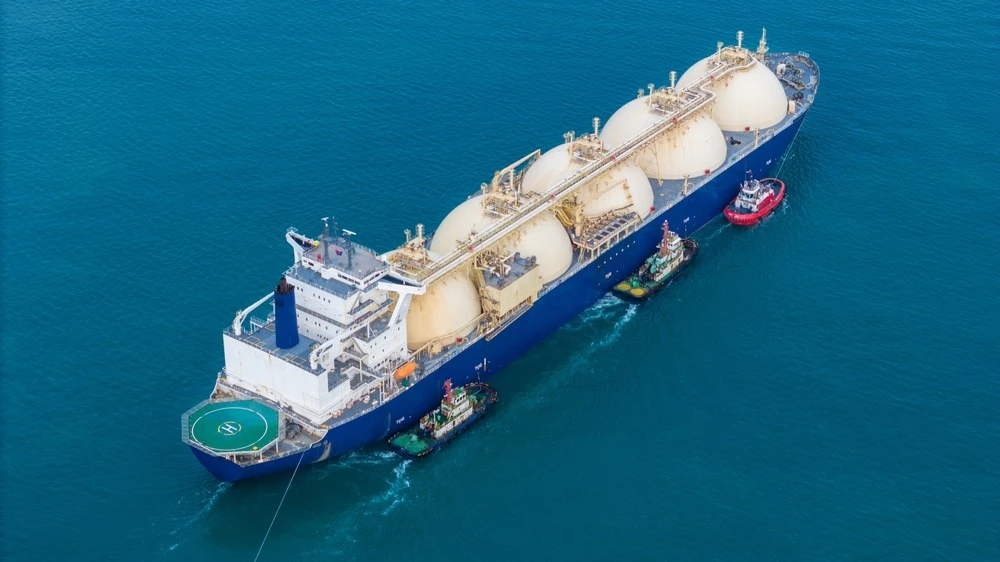
The first LNG tanker in two months may have passed through the Strait of Hormuz, monitoring data show / Photo: GreenOak / Shutterstock
The first shipment of liquefied natural gas (LNG) since the war in the Middle East began two months ago appears to have left the Persian Gulf after passing through the Strait of Hormuz, Bloomberg writes, citing ship tracking data.
Details
The ship in question is the LNG tanker Mubaraz, which in early March loaded a cargo at Abu Dhabi National Oil's terminal on Das Island in the UAE. Since then, according to Bloomberg, the vessel had been waiting in the Persian Gulf. However, the LNG tanker stopped transmitting in late March and reappeared in the system on April 27 - already west of India. According to ship tracking data, the Mubaraz is now passing south of India, with a terminal in China as its destination. The LNG tanker is expected to arrive there by Ma 15.
Abu Dhabi National Oil, which owns the vessel through a subsidiary, told Bloomberg it does not comment on the location, movement or routes of its vessels. Turning off transponders while passing through the Strait of Hormuz has become a common practice for ships to conceal their route since fighting began in the Middle East.
What's in the markets
On April 28, June Brent contracts jumped almost 3% to $111.4 per barrel. Futures for North American oil WTI with delivery in June cost $99.8, adding 3.62%. Since the end of February, before the conflict in the Middle East, oil prices have added about 50%.
Natural gas prices in Europe, meanwhile, increased on April 28 by just over 1% to €45 per megawatt-hour. Since the start of the war, gas prices have risen by almost 43%.
Context
While the possible passage of the LNG tanker Mubaraz through the Strait of Hormuz may heighten expectations of a resumption of LNG exports from the Persian Gulf, other vessels appear to remain in place, Bloomberg notes. Before the war in the Middle East, an average of about three loaded LNG tankers passed through the strait each day. In early April, tracking data showed an empty LNG tanker leaving the Strait of Hormuz. However, it has not yet been confirmed that at least one fuel-laden vessel has traveled this waterway, Bloomberg reports.
Since mid-April - due to a double blockade by Iran and the U.S. - the Strait of Hormuz has remained effectively closed to international shipping, Bloomberg noted on April 27. On that day, two bulk carriers and a liquefied petroleum gas tanker, all Tehran-bound, left the Persian Gulf. No incoming ships were recorded, Bloomberg reported.
In addition, the agency points out, most ships are avoiding the Strait of Hormuz after the conflict escalated last week when two ships were attacked in the area and U.S. forces detained two large Iranian oil tankers.
On March 18, Iran launched a missile attack on the industrial city of Ras Laffan in Qatar, home to the world's largest liquefied natural gas plant. The attack caused "serious damage" to production, the Qatari government reported. The industrial center includes a plant that typically accounts for about a fifth of the world's supply of liquefied natural gas. It was shut down in early March and Qatar declared force majeure on supplies from the facility. Its operation has not yet been resumed.
This article was AI-translated and verified by a human editor