The main US indices showed the worst drop in a month. Investors are worried about the Fed rate
The probability of monetary policy easing at the Fed's December meeting has fallen to 52%

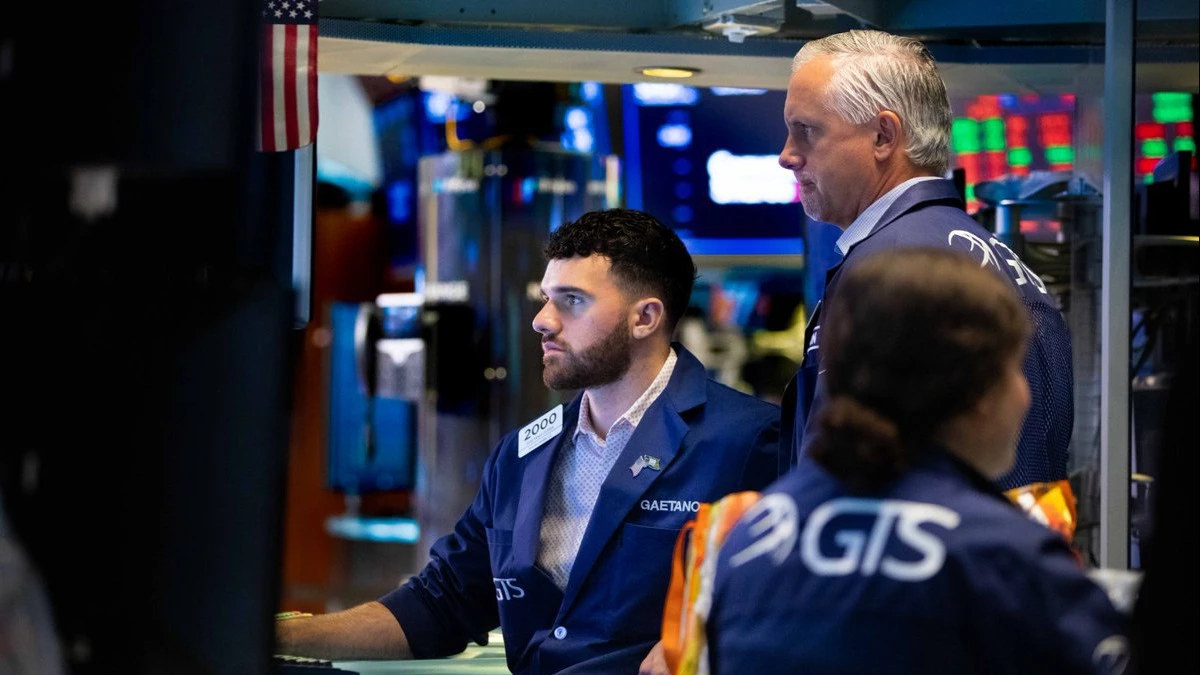
U.S. stocks fell sharply on Nov. 13 due to investor concerns that the Federal Reserve will not cut rates again this year. The likelihood rose due to the lack of statistical data from government agencies due to the government shutdown. All four major indexes fell at the strongest pace since Oct. 10, CNBC noted. Investors also continued to sell off securities of the technology sector, especially companies related to artificial intelligence, due to concerns about their overvaluation, CNBC reported.
Details
- The blue chips index Dow Jones Industrial Average fell by 1.65% to 47,457.22 points in trading on November 13. At the beginning of the session, the Dow set a new record for the entire time of its existence, but then began to decline rapidly.
- The S&P 500 broad market index lost 1.66% on Thursday, falling to 6737.49 points. For the third time in two weeks, the index lost more than 1% - this was only once in the last three months, writes Bloomberg. Particularly strong pressure on stocks was in the communication services and IT sectors. Disney shares fell by 7.75% after the report.
- The Nasdaq Composite index of technology stocks sagged 2.29% despite a strong start to the week. It fell for the third day in a row. Investors sold off AI-related securities, including shares of Nvidia, Broadcom and Alphabet.
- The Russell 2000 index of small-capitalization companies was down 2.77%.
- The CBOE Volatility Index (VIX), known as the "Wall Street Fear Index," added 14.5% to surpass the 20 mark, indicating high volatility in the market.
- The value of bitcoin has fallen below $100,000 for the third time in the past 10 days, CoinGecko service shows. At its low in the past 24 hours, the largest-capitalized cryptocurrency was worth $98,102, having lost more than 3%. Bitcoin fell to its lowest level in six months as long-term investors accelerated selling, MarketWatch notes, citing Dow Jones Market Data. The cryptocurrency is now worth about 22% cheaper than the record of $126,273 set on Oct. 6, the publication added.
What influenced the stock
On Wall Street resumed large-scale sell-offs after a week's respite caused by the end of the U.S. government shutdown: "hawkish" statements by representatives of the Federal Reserve on the eve of a wave of macroeconomic data pushed traders to get rid of risky assets - from technology stocks to cryptocurrencies, writes Bloomberg.
Investors' hopes for a rate cut at the Fed's December meeting have dwindled, with the probability estimate dropping to 52.9% from 62.9%, CME's FedWatch tool shows. Fed Chairman Jerome Powell said in October that a rate cut at the December meeting was "far from a foregone conclusion" and would depend on incoming data. Some market participants fear that the lack of key statistics due to the shutdown could strengthen the case for maintaining current monetary policy, Bloomberg noted. The White House admitted a day earlier that labor market data and the consumer price index for October are unlikely to be released.
With optimism about the government reopening already factored into stock prices, concerns about overvaluation, especially in the technology sector, also came to the fore, Bloomberg said. Market watchers have noticed a flow of funds into defensive assets, he added.
What the analysts are saying
- "In my view, this is a natural phase of consolidation," Ron Albahari, chief investment officer at Laird Norton Wealth Management, explained to CNBC, calling the market decline "healthy." "Part of the AI narrative is that all this capital expenditure will eventually yield real returns. [...] If you start to see real benefits from AI for healthcare, for industry, for the manufacturing sector, then that supports the key thesis that investment in AI will improve overall productivity," Albahari added.
- "While we have believed from the outset that much of the data missed due to the shutdown will never be recovered, questions remain as to what the inflation and employment numbers will be when publications resume," BMO Private Wealth chief market strategist Carol Schleif told CNBC. - "We wouldn't be surprised to see some market turmoil in the coming weeks as the government gears and the printing press of economic statistics get back in gear.
- "The market is expensive, and markets like this need rate cuts to justify current high valuations," Matt Maley of Miller Tabak + Co. told Bloomberg. - The idea that this could change quickly amid a one-time release of a large data set, this uncertainty is adding to investors' fears."
- Michael O'Rourke of JonesTrading added that after the reporting season is over, investors see the current situation as "an opportune moment to take profits," Bloomberg writes.
This article was AI-translated and verified by a human editor