The Nasdaq fell for the first time in seven days because of Microsoft. But the sell-off was avoided
The Dow Jones even managed to end a challenging day in the green zone


The S&P 500 and Nasdaq Composite declined in trading on January 29 / Photo: Unsplash/Arnaud STECKLE
By the end of trading on January 29, shares of American companies were able to largely recover their losses and cope with the collapse, which caught up with them at the beginning of the day. However, Nasdaq Composite still interrupted its successful series of six consecutive sessions of growth. Spot gold prices, which at one point were declining at their strongest pace since October, slowed their fall to just 0.3%. Bitcoin, on the other hand, remained below $85,000.
Details
- The main U.S. index S&P 500 fell by 0.13% and was again below the mark of 7000 points. The fall of the index on Thursday reached 1.5%.
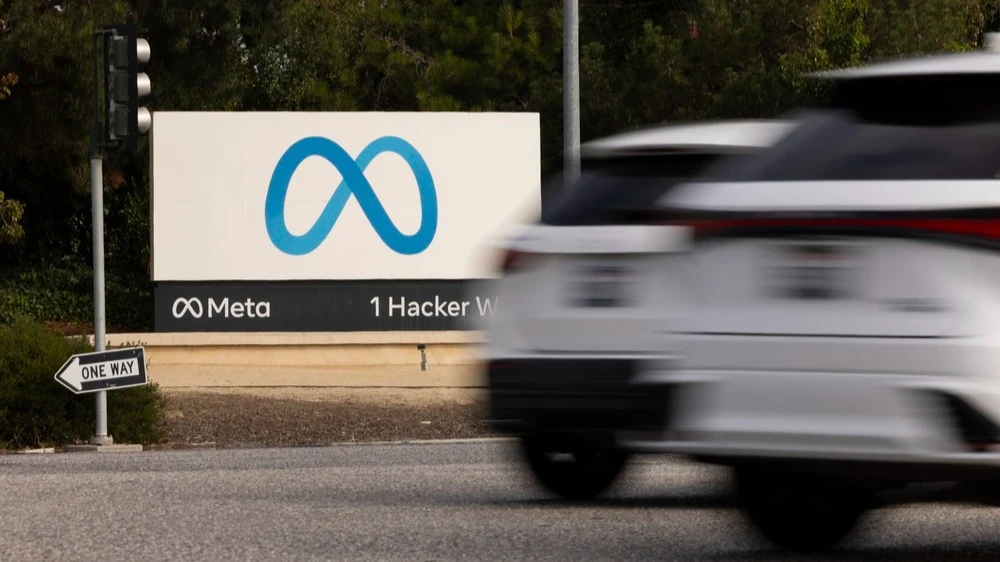
- "Technological" index Nasdaq Composite lost 0.72%, although at the moment it was declining by 2.6%. This is largely due to the securities of Microsoft, which for the day fell in price by 10% after the report. This was the strongest collapse for the company's securities since 2020, its capitalization fell by $357 billion, CNBC calculated. At the same time, the securities of Meta, which also disclosed quarterly results on Wednesday, rose by 10.4%.
- Dow Jones blue chips index is the only one in the "big three" managed to grow by the end of the day - by 0.11%.
- The Russell 2000 index of small-capitalization companies was also up - by a paltry 0.05%.
- Spot gold prices were down 0.26% to $5402.8 per troy ounce. During trading on Thursday, the precious metal fell by 5.7% - or more than $300 (compared to the closing price a day earlier), to $5106.2. It turned out to be the sharpest drop since October.
- Bitcoin on January 29 fell below $84,000 for the first time in almost two months. Its dynamics, unlike stocks and gold, has not improved much since then. At the time of publication of this text, the cryptocurrency was worth $84,292, follows from the data of the CoinGecko service.
- Brent crude futures rose more than 3%, with the price climbing to nearly $72 a barrel.
What drove the market
At the beginning of the day, investor sentiment was influenced by concerns about corporate spending on artificial intelligence and uncertainty about whether they will come true, Bloomberg writes. These fears were triggered by the report of Microsoft, which announced an increase in capital expenditures to a record, reported a slowdown in revenue growth from cloud services and gave an uncertain forecast for operating profitability, according to CNBC.
Then market participants came into action, deciding to take advantage of the downturn to buy, according to Bloomberg. The S&P 500 was able to recoup much of its losses thanks to stocks sensitive to the state of the economy.
"Investors are selling because they've probably realized they're not going to make as much money on the AI theme as they had hoped six months ago," Matt Maley, chief market strategist at Miller Tabak & Co, told Bloomberg this afternoon. "This looks like a classic buying opportunity. We're already seeing a bounce back from the day in all the major indexes. Volatility has obviously increased, but the trend remains positive nonetheless," Navellier & Associates chief investment officer Louis Navellier commented to the agency.
"Artificial intelligence has become a two-way stick. It helps growth and it helps spending. It contributes to why stocks are worth so much right now. Now that there are more questions for it, it's becoming difficult for it to consistently provide positive news," summarized Rob Williams, chief investment strategist at Sage Advisory, as quoted by CNBC.
This article was AI-translated and verified by a human editor