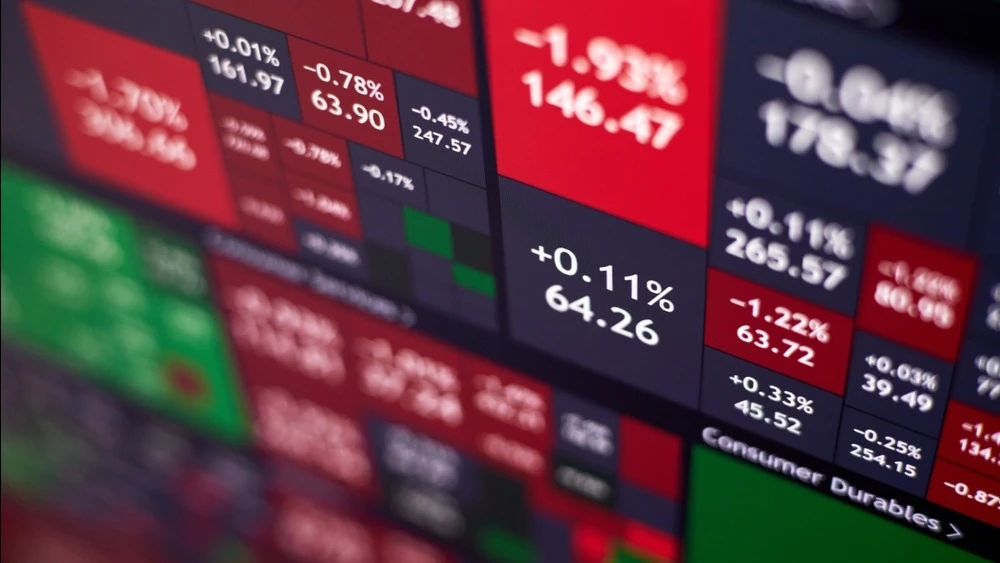
The Nasdaq is down 2%, the S&P 500 is having its worst day in three weeks. Fear over AI is back
The price of gold fell below $5000 again


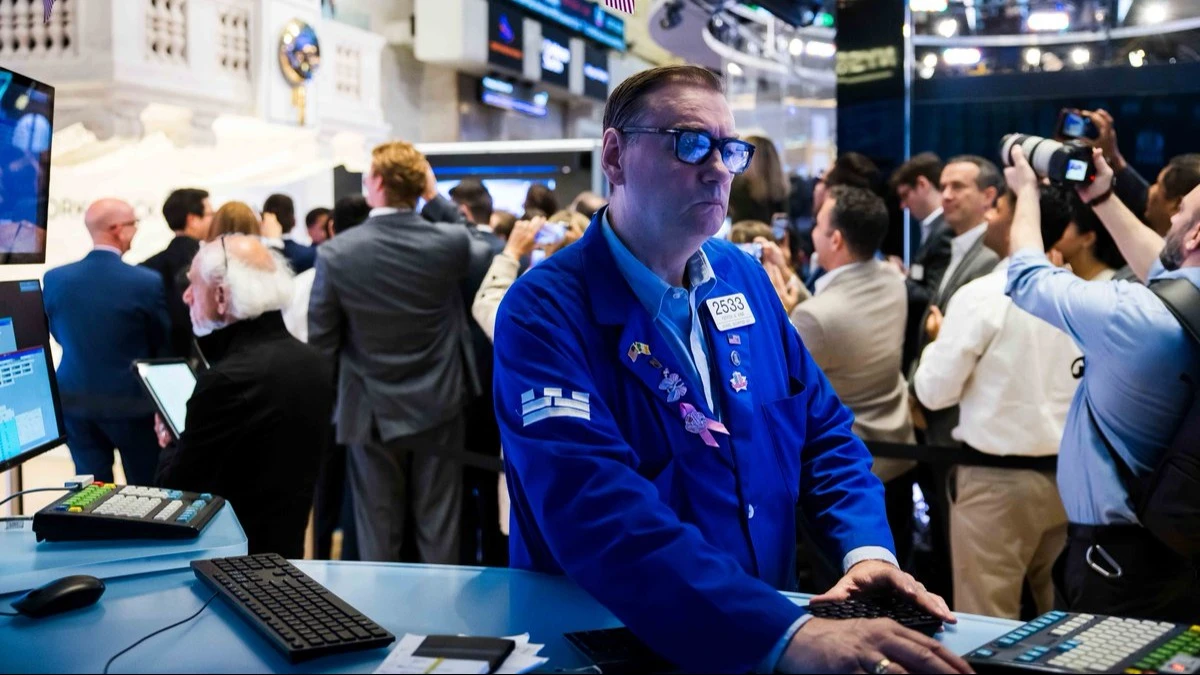
/ Photo: X/NYSE
U.S. stocks on Thursday resumed the sharp decline that characterized them last week during the "soft-apocalypse". The Nasdaq index lost 2%, and the "Wall Street fear index" was above the psychological mark of 20 points. Fears returned to the market that the introduction of AI would come with large-scale layoffs and business restructuring in many industries.
Details
- The Nasdaq Composite index of the technology sector lost 2% for the day. Apple shares fell 5%: this is their worst performance since April 2025, CNBC noted.
- The blue-chip index Dow Jones Industrial Average fell by 1.34%. For the first time since February 5, it was below 50,000 points at the close.
- The S&P 500 broad market index was down 1.57%.
- For all three major indexes, Thursday's drop was the strongest since Jan. 20, MarketWatch wrote, citing Dow Jones Market Data.
- The Russell 2000 index of small-capitalization companies fell 2%.
- The VIX index, known as the Wall Street Fear Index, rose 18% to 20.82 points. A level above 20 points indicates increased volatility.
- Spot silver prices were down 11.7% at the moment: the price was below $75.
- Gold cheapened by 4%, falling below the $5,000 per troy ounce level.
What influenced the stock
The value of a range of asset classes declined Thursday due to investor concerns about tech company earnings and weakness in the natural resources market, according to Bloomberg.
Certain market segments have been hit this year after the release of AI tools that could replicate their business or at least reduce profitability, CNBC writes. Shares of commercial real estate companies suffered on Thursday due to speculation that rising unemployment will reduce demand for office space. Thus, shares of CBRE collapsed by 8.8%, Jones Lang LaSalle - by 7.6%, Newmark - by 4.5%.
Shares of software developers continued to decline. For example, Palantir shares lost nearly 5%, and Autodesk fell 3.9% on Feb. 12, extending its YTD decline to 24%. The iShares Expanded Tech-Software Sector ETF, which tracks software developer stocks, is down 2% and now sits about 31% below its October high, CNBC writes. Pressure on the technology sector intensified after Cisco Systems shares collapsed 12% amid a disappointing outlook for the current quarter.
Shares of transport and logistics companies collapsed on Thursday amid concerns that AI will optimize cargo operations and thus hit certain sources of revenue. Thus, the securities of C.H. Robinson securities collapsed by 14.5%.
Investors were looking for protection in other market segments. Walmart shares rose by 4%, Coca-Cola by more than 1%. The consumer staples and utilities sectors of the S&P 500 added about 2% each. Traders are now preparing for the release of key inflation data (CPI consumer price index) on Friday. Economists surveyed by Dow Jones expect January's CPI to rise 0.3% on both the overall measure and the core measure (excluding volatile food and energy prices), CNBC reported.
What the analysts are saying
- "CPI is somewhat less important now as strong employment data allows the Fed to take a pause [in rate cuts] for an extended period of time," said Baird investment strategist Ross Mayfield, as quoted by CNBC. - "If CPI turns out to be high, it will take a couple more months of data to understand the trend before the Fed has to make a tough decision. On the other hand, if the data turns out to be weak, Friday could be a day when interest in risky assets returns, although the figure would have to be really outstanding to have a significant impact on the stock market, he added.
- "AI, which was the factor that was driving stocks to the top of the parabola and multiples getting extreme - albeit not overly extreme - has now become the reason that's holding them back," Freedom Capital Markets chief market strategist Joe Woods told CNBC in a statement.
- "For most of the last three years, investors have looked at AI from a 'glass is half full' perspective," Steve Sosnick of Interactive Brokers told Bloomberg. - "The question was, 'What can AI do to make a business or industry more efficient?'" Now, however, it seems to be: "How can AI disrupt the profitability model of a business or industry?" and instead of looking for winners, investors are starting to look for potential losers."
This article was AI-translated and verified by a human editor