"The need for capital will be huge": Musk's data center in space estimated to cost $5 trillion a year
That's about one-sixth of current U.S. GDP

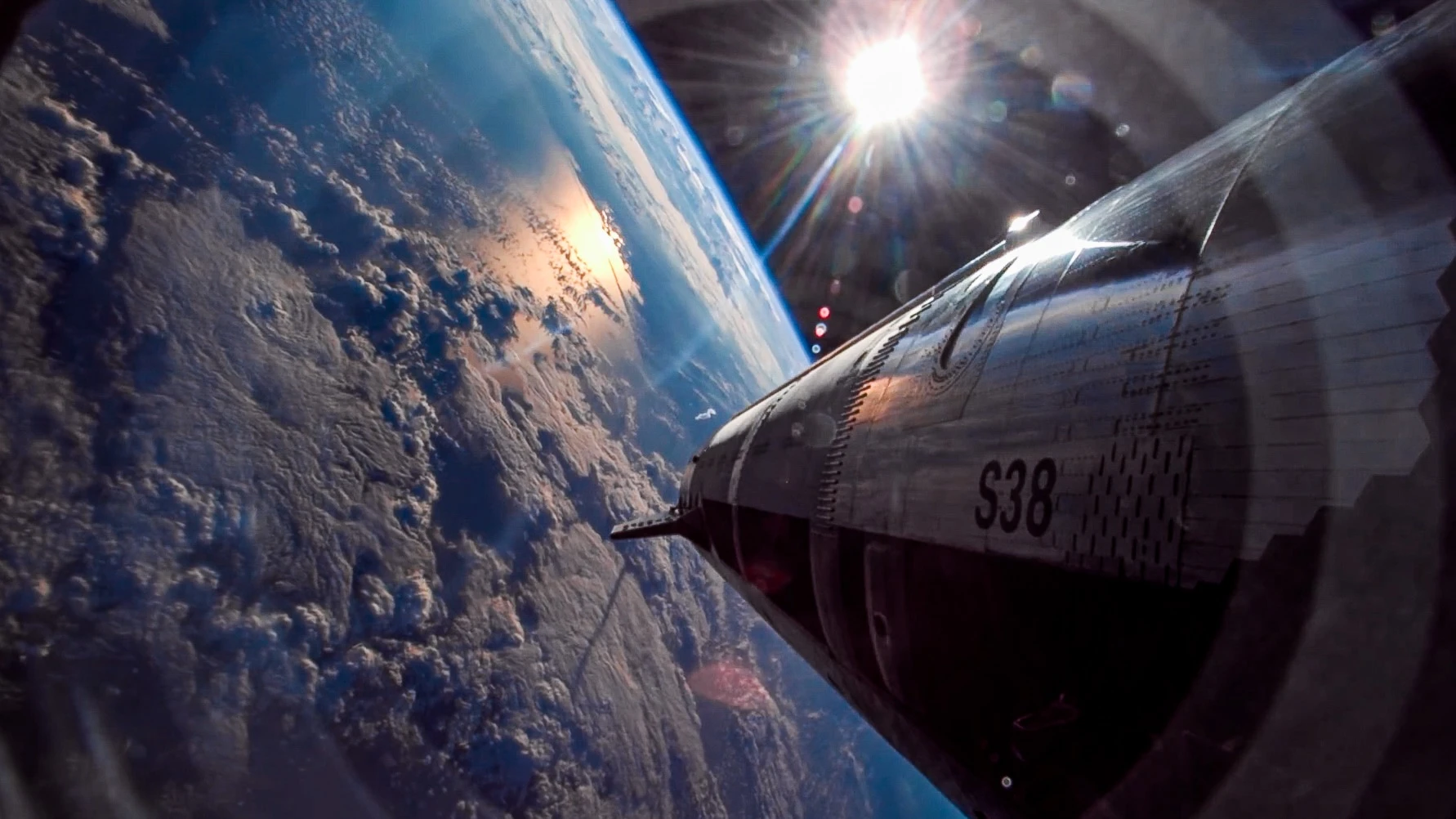
SpaceX's orbiting data centers could be worth $5 trillion a year, according to analysts at MoffettNathanson / Photo: X/SpaceX
Elon Musk's plans to create a space infrastructure of data centers for artificial intelligence will require huge investments and may cost trillions of dollars, analysts at MoffettNathanson have calculated. The project faces serious technical and financial constraints, and its realization may take at least ten years.
Details
In the most costly scenario, SpaceX's annual capital expenditures to build and support data centers in orbit would reach $5 trillion, MoffettNathanson analysts said in a note cited by MarketWatch. "The capital need would simply be enormous" and require "a staggering amount of external funding," they said.
SpaceX's space plans to power AI could cost up to one-sixth of the current size of the $31 trillion U.S. economy - depending on how the company implements the project, MarketWatch noted.
How can it be calculated
Musk said the "basic math" of his plans involves ramping up computing capacity for AI by 100 gigawatts per year, MarketWatch writes. Analysts at MoffettNathanson estimate that deploying 100 gigawatts of orbital computing could require capital expenditures in the $4-5 trillion range if SpaceX purchases hardware from Nvidia.
In this scenario, the deployment of equipment based on Nvidia solutions could cost $40-50 billion for each gigawatt of computing power, analysts say. At the same time, SpaceX's costs could be reduced by about $2 trillion if the company decides to use its own specialized chips.
To achieve Musk's stated goal will require the creation of a satellite constellation of up to 1 million vehicles. To start, SpaceX would need to put about 200,000 satellites into orbit each year, assuming that each vehicle has a lifespan of five years, after which it must be replaced, analysts said. Given the data SpaceX shared about the mass of the next-generation Starlink satellites and the payload capacity of the Starship rocket, about 3,300 launches per year - or about nine launches per day - would be required.
Even if each Starship could be used up to 100 times, SpaceX would still have to build at least 30 rockets a year, not counting additional vehicles for other missions. This, in turn, would require a "radical expansion" of supply chains to support a project of this scale, MoffettNathanson argues.
Is it realistic?
To realize Elon Musk's vision, SpaceX will need to find an investor with "deep pockets," the publication notes. The company's revenue in 2025 amounted to $15-16 billion, profit - about $8 billion, wrote Reuters. In 2026, revenue will grow to $23.8 billion, industry publication Payload estimated. The purchase of AI startup xAI is unlikely to help significantly: according to Bloomberg, the company spent $7.8 billion in the first nine months of 2025. Much of the money was spent on infrastructure development, MarketWatch notes.
Some of the funds SpaceX needs to advance its plans are likely to be raised through a planned IPO. According to the Financial Times, the IPO could take place in mid-June, and the company expects to raise up to $50 billion at a valuation of up to $1.5 trillion.
Meanwhile, SpaceX has a number of other challenges to overcome: analysts at Deutsche Bank note that space radiation can accelerate chip degradation, and maintaining equipment in orbit can be "impractical," among other risks.
"There are really a lot of big challenges here - and there's the question of how to make it all economically viable," Summit Ridge Group founder Arman Musi told Reuters. The financial parameters of a project of this scale are difficult to calculate because "the technical uncertainties are still not clear," according to Muzi. "But never say never," he added, calling Musk's track record "incredible. - In many ways, it's a bet on Elon. His successes are hard to ignore."
Even with Musk's ambitions, according to some experts, the realization of data centers in space may not be achievable for at least another decade, writes Reuters.
This article was AI-translated and verified by a human editor