The return of Snack Wraps helped boost McDonald's sales. What's next?
A report from the largest fast food chain showed robust global demand, but growth has stalled in the U.S. as low-income shoppers continue to save money

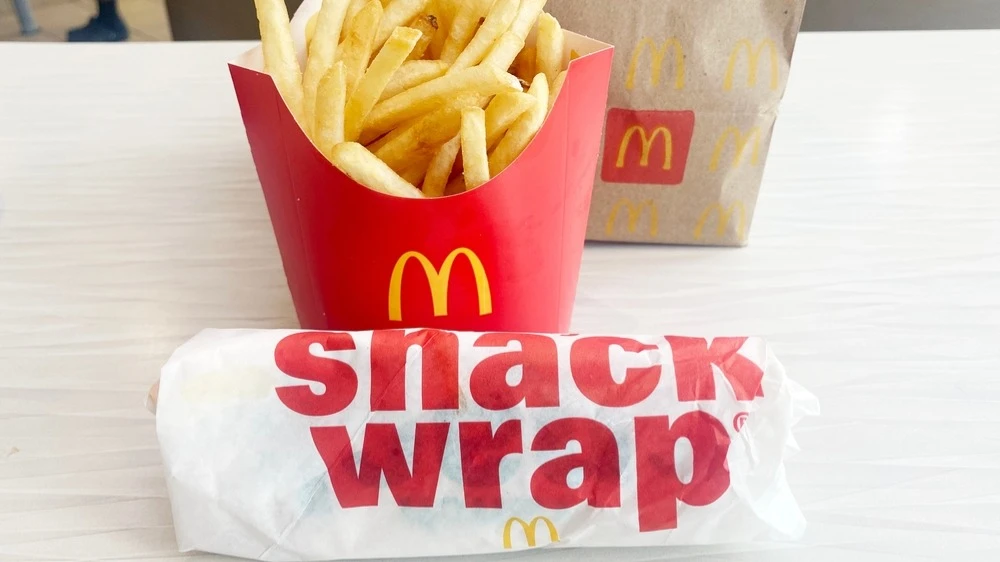
McDonald's was able to increase sales in the third quarter faster than analysts expected: customers were attracted by low-cost items such as Snack Wraps returned to the menu. At the same time, the growth of comparable sales in the world was higher than in the United States. The company acknowledged that traffic from low-income consumers has been falling for nearly two years and warned that the pressure on them will continue at least through 2026.
Details
McDonald's report beat Wall Street's expectations for third-quarter sales, reflecting the company's efforts to attract more frugal customers that helped it emerge from a period of stagnation, MarketWatch explains. The chain's comparable sales rose 3.6%, reversing last year's 1.5% decline and nearly matching Wall Street's expectations, according to StreetAccount data cited by CNBC. Meanwhile, U.S. growth was 2.4%, up from 2.5% last quarter and Wall Street's forecast of 1.9%. The company attributed the result to an increase in the average check, rather than an influx of visitors - they are willing to pay more for McDonald's meals, despite the ongoing "price wars" between fast-food chains, the channel notes.
In an effort to attract frugal customers, McDonald's brought back the Snack Wraps product on the menu for the first time in nine years last quarter at a price of $2.99. Chief Financial Officer Ian Borden said it was one of the most successful launches in recent years, with nearly one in five customers ordering a Snack Wrap.
Outside the U.S., McDonald's posted an even stronger 4.3% increase in comparable sales.
Net income for the third quarter was $2.28 billion, or $3.18 per share, up from $2.26 billion, or $3.13 per share, a year earlier. Excluding restructuring charges and other items, adjusted earnings were $3.22 per share, compared with analysts' expectations of $3.33. Earnings were negatively impacted by a higher effective tax rate, CNBC wrote. Revenue rose 3% to $7.08 billion versus a forecast of $7.1 billion.
What are the risks
For more than a year, McDonald's, traditionally considered an indicator of consumers' financial health, has warned of a decline in spending on eating out - especially among lower-income customers. That trend continued in the third quarter, CNBC notes.
"We continue to see a divided consumer base, with attendance at quick-service restaurants from lower-income customers declining by nearly double digits in the third quarter, a trend that has persisted for nearly two years. At the same time, attendance from higher-income customers remains strong, increasing by nearly double digits for the quarter," said CEO Chris Kempczynski.
He added that McDonald's expects the pressure on consumers' financial health to continue through at least 2026.
There's little the chain can do about macroeconomic trends in which high-income Americans continue to spend freely, while families earning $50,000 a year or less are forced to afford even an inexpensive McDouble burger less often, Quartz notes.
What about the stock
Shares of McDonald's jumped by 2% in trading on November 5. Their value has increased by about 5.3% since the beginning of the year, while the S&P 500 index has grown by 15%.
Wall Street looks at the company's prospects with caution: only 18 analysts out of 40 advise buying its shares, MarketWatch shows . 20 take a neutral stance with a "hold" rating. Two - recommend McDonald's securities to sell. The average target price assumes potential growth of quotations by 10%.
Shares of companies in the consumer sector as a whole have noticeably underperformed the market this year, which emphasizes the problems of American households, draws the attention of Bloomberg. The labor market is losing momentum, many companies are laying off staff, and the duties imposed by President Donald Trump are keeping prices for groceries, clothing and electronics high, the agency writes.
"If it weren't for AI investments, there would be a lot more alarm sounded in the investment community amid a slowing labor market and signs of strain in consumers," Bloomberg quoted JonesTrading Institutional Services chief market strategist Michael O'Rourke as saying.
This article was AI-translated and verified by a human editor