The S&P 500 ended the fourth trading day in a row with a fall. This has not happened since August
The market is highly likely to see a correction in AI stocks, JPMorgan Chase says

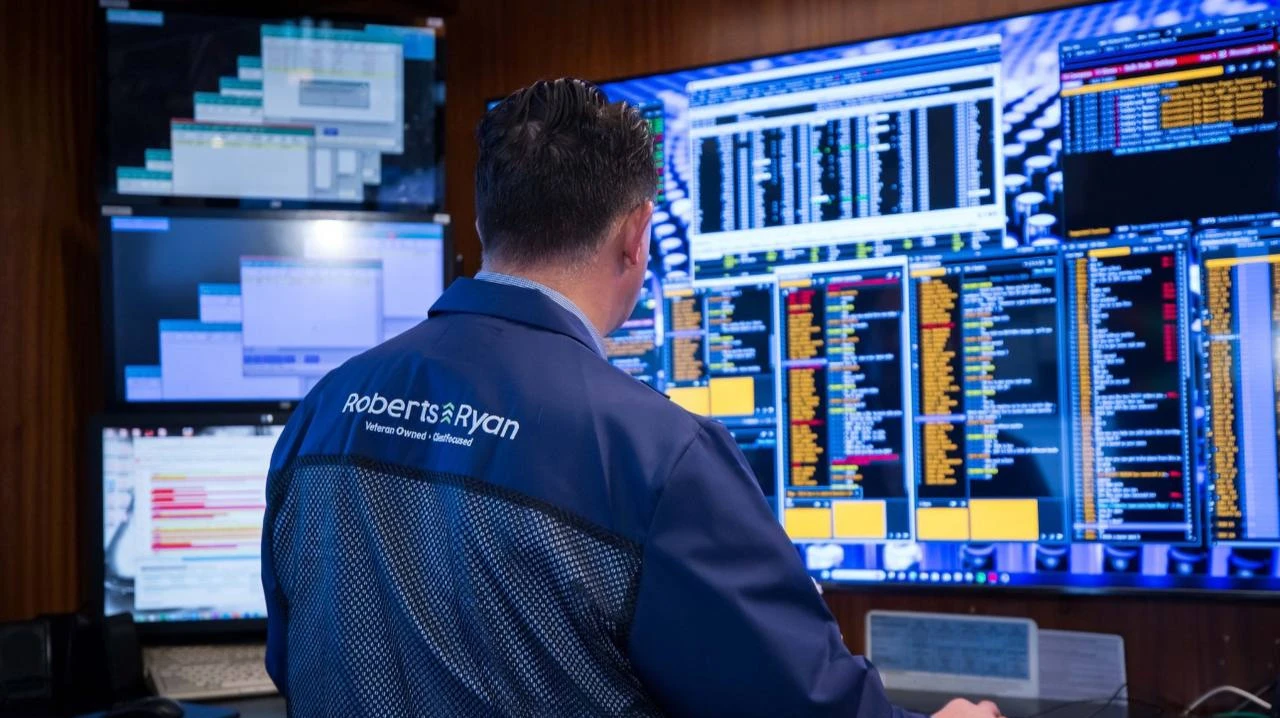
Investors on Tuesday, November 18, continued to sell off U.S. stocks, as a result of which the S&P 500 index showed the longest series of declines in almost three months. The stock market is under pressure from expectations of Nvidia's key report, which could become an indicator for the entire AI industry, as well as a cheapening bitcoin. All this reduces investors' appetite for risk, CNBC explains .
Details
- In trading on November 18, the broad market index S&P 500 lost 0.83%. It fell for the fourth session in a row - this is the longest series of declines since late August, notes CNBC.
- The blue-chip index Dow Jones Industrial Average fell by 1.1%.
- The tech-heavy Nasdaq Composite slipped 1.2%. The index was under pressure due to the ongoing sell-off of Nvidia shares, which lost more than 2.8% on November 18. Since the beginning of the month they have fallen in price by 10.5%. Analysts fear that the chipmaker's report, which will be released on Wednesday, November 19, may fail to meet the market's high expectations amid discussions about the overvaluation of the AI sector.
- The Bloomberg Magnificent 7 index collapsed by 1.8%. In addition to Nvidia, the securities of Microsoft (by 2.7%) and Amazon (by 4.4%), for example, fell in price: analysts at Rothschild & Co Redburn on Tuesday downgraded the ratings of these technology giants, refusing to advise them to buy their shares.
- The price of bitcoin dipped below $90,000 throughout the day, but returned above the $92,000 mark by evening, trading data from the Binance exchange shows . The cryptocurrency's fall has added to nervousness in the market as investors see it as an omen of a possible further correction in stocks, CNBC said.
- Wall Street's so-called fear index, the VIX volatility index, held steady at around 25 points on Tuesday, jumping 10% on the day. Values above 20 points indicate a worrisome market sentiment.
What impacted the stock
Pressure on the market continues to be exerted by concerns over high valuations of the AI sector and doubts about the strength of fundamental growth drivers amid a surge in borrowing in Big Tech, CNBC writes. This concern has intensified in anticipation of the publication of Nvidia's quarterly report - it serves as one of the main indicators of the sustainability of the rally in AI-related stocks, the channel notes.
According to analyst firm ORATS (Option Research & Technology Services), options on Nvidia shares are expected to move about 7% in one direction or another after the publication of quarterly results. In other words, the report could cause a $320 billion swing in the chip maker's market value, which could be the largest rise or fall in the company's capitalization in its history, Reuters notes.
A major AI partnership announced Tuesday didn't cause quotes to rise as they have in the past, CNBC notes. Anthropic, which developed the Claude chatbot, said it will spend $30 billion on Microsoft's Azure cloud and receive a multibillion-dollar investment from Microsoft and Nvidia in return. However, that didn't support the shares of either company. The "circular" nature of all this spending is one of the main reasons investors have become more cautious about the boom in AI investment, Barron's explains.
The publication also noted that small and mid-cap indices - Russell 2000, S&P Small Cap 600 and S&P MidCap 400 - showed growth on Tuesday. This is a sign that the current market decline has mostly affected only large technology companies, Barron's said. Investors should not panic over the weakening AI rally: amid factors such as U.S. rivalry with China, the economic structure is changing, and the market can still find attractive undervalued assets in other segments, the publication writes.
What the analysts are saying
- "We could end up seeing an 8-9% decline in the S&P 500 index," CFRA chief investment strategist Sam Stowell admitted, as quoted by CNBC, "although the decline could stop sooner if Nvidia reports as our analyst expects and the employment data [to be released this week] is weak but with no signs of recession. In Stowell's estimation, "if a leading company in a key industry in the strongest sector" reassures the market with revenue, earnings and margins above Wall Street forecasts, it "could greatly reassure investors."
- "The question really isn't whether the bubble [in AI] has inflated now," Sonu Vargis, director of investment strategy at Carson Group, told Bloomberg. - What matters is how long the current trend in AI spending will last, and how painful the pullback will be when that trend ends."
- "Calling tomorrow's report 'important' is even an understatement," said Ryan Grabinski of Strategas. - The [quarterly] results are likely to cause a domino effect in both U.S. and international markets. While expectations for AI have generally cooled in recent weeks, this report could reignite investor optimism. On the other hand, the bar is now undeniably very high."
- JPMorgan Chase Vice Chairman Daniel Pinto says valuations of companies in the fast-growing AI industry need a rethink. "It's highly likely we're in for a correction," Pintu said Tuesday at the Bloomberg Africa Business Summit in Johannesburg. - That correction will lead to declines in the rest of the technology sector, in the S&P 500 index, and across the industry as a whole."
This article was AI-translated and verified by a human editor