The U.S. has promised to reduce duties on imports from Korea retroactively. Which stocks rose?
The U.S. and Korea reached an agreement in principle to reduce duties back in July, but the process has since been delayed

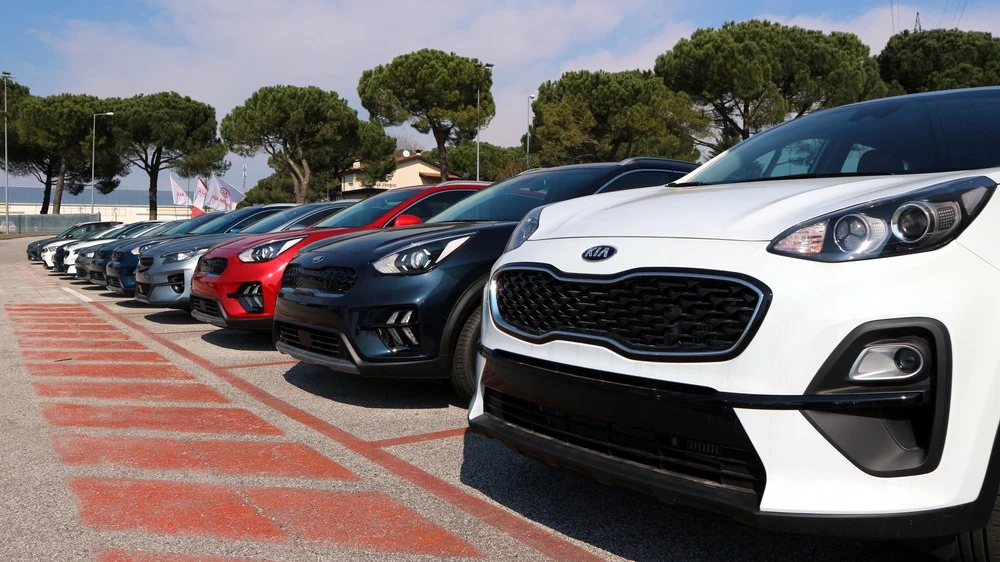
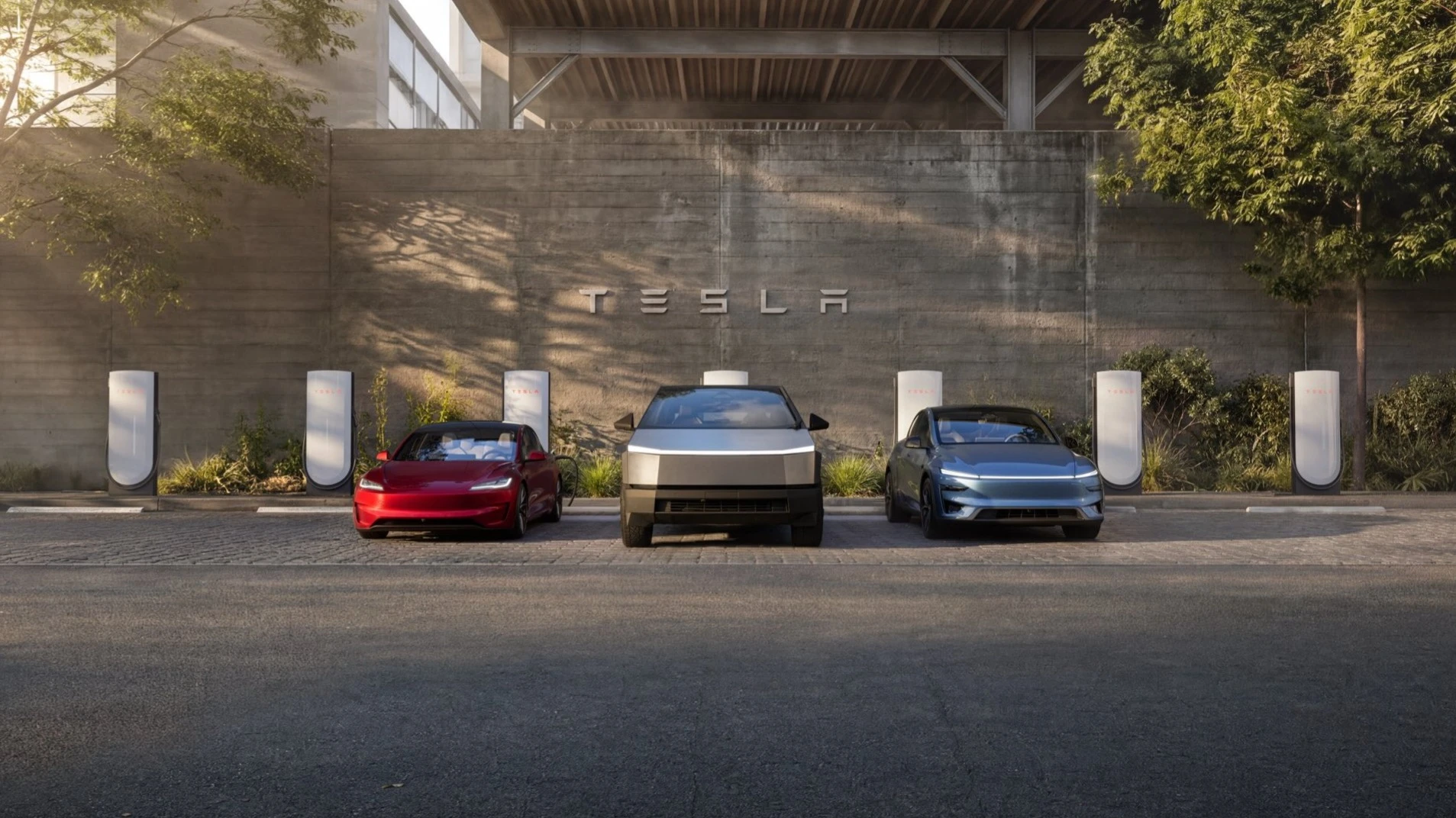
U.S. Commerce Secretary Howard Lutnick said Washington will fulfill its commitment to easing tariff policies under a trade agreement with South Korea. Duties on Korean cars will be reduced retroactively from 25% to 15%, and chip suppliers will receive no less favorable trade treatment when supplying to the U.S. than Taiwanese competitors.
Details
"Korea has officially begun the parliamentary approval process for the Strategic Investment Bill. This key step ensures that U.S. industry and workers will fully benefit from the U.S. President's trade agreement with Korea. In response, the U.S. will reduce a number of duties as part of the deal - including duties on automobiles to 15%, effective Nov. 1. "We will also eliminate duties on aircraft components and eliminate the 'layering' of retaliatory tariffs for Korea to bring them in line with Japan and EU levels," Latnick said in a statement released on the night of Dec. 2.
After Latnick's statement, quotations of South Korean car and chip makers jumped at the opening of trading in Seoul. Shares of the leader of the South Korean car market Hyundai Motor rose by 5.1%, Kia - by 4%. KG Mobility, which owns the SsangYong brand, soared 20.5%.
The reduction of U.S. duties is critical for Korean automakers - almost half of their exports are to the U.S., Bloomberg notes.
SK hynix and Samsung, two leading makers of high-speed memory chips for AI servers, rose 3.9% and 2.7%, respectively.
Context
Washington and Seoul agreed to reduce duties on Korean goods to 15 percent back in July, but the 25 percent tariff on cars remained in place while the two sides finalized the details of the deal. The main provisions of the agreement were confirmed during President Donald Trump's visit to Seoul in October.
In mid-November, the two sides revealed details of the trade agreement: tariffs on cars will be retrospectively lowered from November 1 - after the deal is finalized and a $350 billion bill for investment in strategic U.S. industries is introduced in the South Korean parliament - and duties on chips will be no less favorable than the terms offered to South Korea's key rival Taiwan.
This article was AI-translated and verified by a human editor