The war in Iran has doubled Shell's profits. Why has its stock fallen?
Although Shell's quotations are up 17% since the beginning of the year, they are lagging behind the top four major competitors

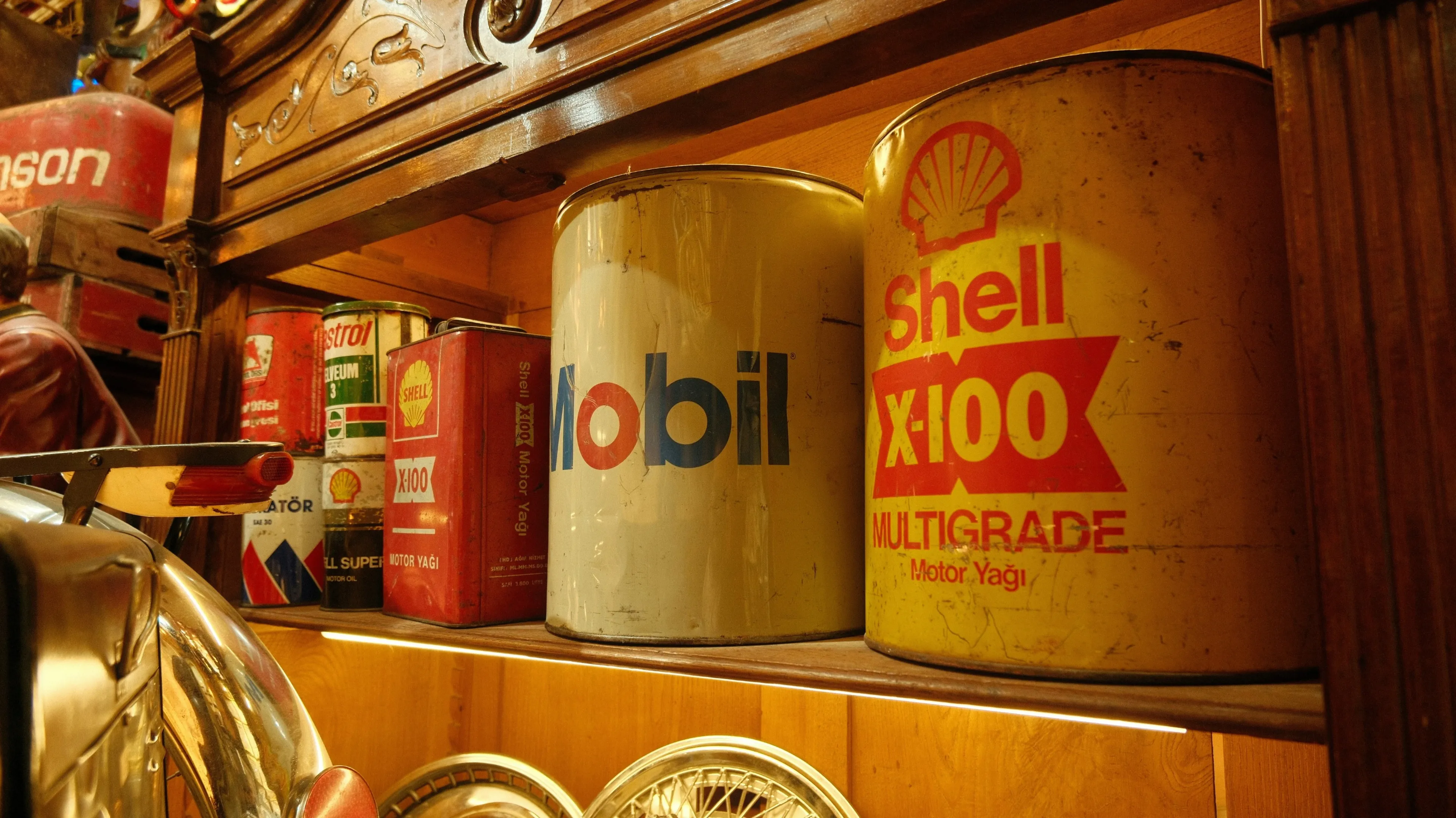
Rising oil product prices have allowed Shell to improve margins at its refineries / Photo: Eugen Brazhnikov / Unsplash.com
British Shell reported an unexpectedly fast growth of profits in the first quarter. The conflict over Iran has led to an increase in the price of oil and gas, and the resulting surge in stock exchange volatility has provided super profits for traders of the oil corporation.
Details
Shell's net profit, excluding one-time factors, jumped to $6.9 billion in January-March, up 112% quarter-on-quarter. Analysts surveyed by Bloomberg on average forecasted $6.1 bln.
The British supermajor attributed the profit growth to higher profitability of oil refining combined with increased financial income from trading operations. It was the high trading revenues that allowed to cover losses in the green energy segment, the company said in its report.
Despite strong quarterly results, Shell shares fell by 3% at the opening of trading in London on May 7. Investors reacted to the company's decision to cut its share buyback program from $3.5 billion to $3 billion for the quarter, as well as to the stabilization of oil prices amid expectations of a deal on the Iranian conflict, explains Bloomberg.
What's up with oil prices
Oil has risen more than 50% since the Iranian crisis began. But on Ma 6, the barrel collapsed on news that the U.S., through Pakistani mediators, handed over a one-page memorandum that aims to end the conflict and create conditions for the gradual unblocking of the Strait of Hormuz. Tehran confirmed that it is studying Washington's proposal and is expected to give a response in the coming days. On Ma 7, Brent quotes fell another 2% - below $100.
What Wall Street thinks of Shell stock
Since the beginning of 2026, Shell quotations have grown by 17%. At the same time, they lag behind the securities of the four main competitors: BP (+27% over the same period), TotalEnergies (+38%), Exxon Mobil (+24%) and Chevron (+21%).
Shell's consensus rating has been "above market" (Overweight) for the past three months, but analysts' sentiment has become a bit more cautious. According to FactSet data, the number of recommendations to buy (Buy and Overweight ratings) decreased from 16 to 12, and neutral ratings (Hold) became more. Experts estimate the growth potential of Shell securities on the annual horizon at 15% on average.
Context
The war in Iran has damaged oil and gas assets in the Middle East and almost completely stopped shipments from the region, triggering a surge in energy prices and market volatility. This has benefited European supermajors with their large trading divisions able to capitalize on price fluctuations, Bloomberg notes.
Shell became the last of the Western oil giants to publish a quarterly report. The revenues of its competitors in Europe - BP and TotalEnergies - also soared due to high efficiency of trading during the war. The U.S. Exxon Mobil and Chevron benefited from rising energy prices, but some of their profits were "eaten up" by production disruptions - especially at Exxon - and losses on financial contracts used to insure against price changes, the agency recalls.
This article was AI-translated and verified by a human editor