The world's largest sovereign fund has lost almost 2% of its value. What is the reason?

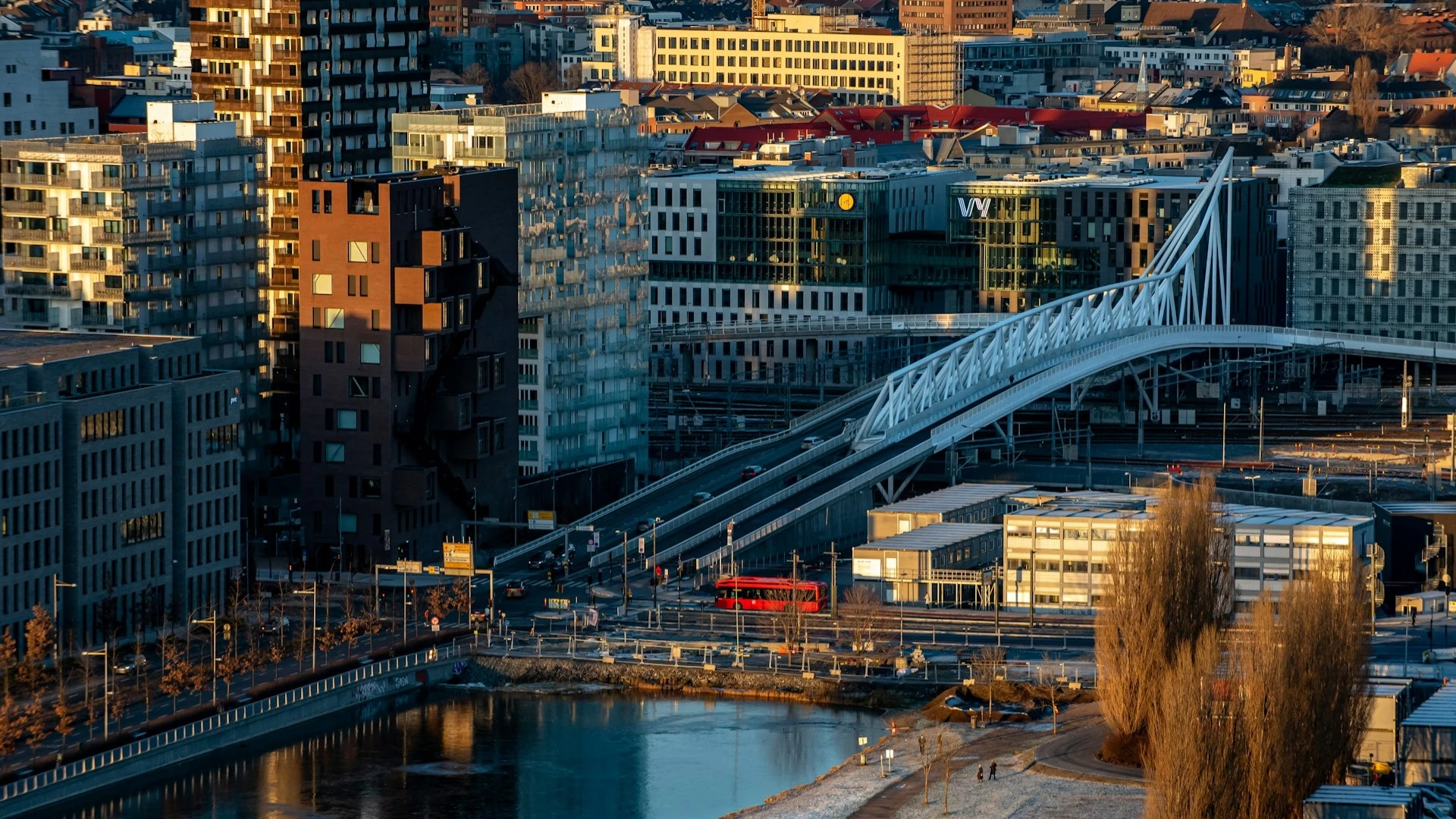
Norway's pension fund lost $137 billion in the first quarter / Photo: Unsplash / Einar Storsul
Norway's state pension fund, considered the largest sovereign wealth fund in the world, lost 1.9% in the first quarter. That's the worst result since the third quarter of 2023, Bloomberg notes. The fund's value fell by NOK1.27 trillion ($137 billion). It was pulled down by investments in U.S. technology stocks and market turbulence due to war in the Middle East, fund manager Norges Bank Investment Management said.
Four strikes on the briefcase
The bulk of the fund's assets are in stocks, which are down 2.6%, with Apple, Microsoft, Alphabet, Amazon and Nvidia among the largest positions. The fund holds shares in more than 7,200 companies from 60 countries, representing 1.5% of all securities traded on global exchanges, according to data compiled by Bloomberg.
The second largest asset class - bonds - lost 0.2%. Theyaccount for 27% of the fund's portfolio. Non-public real estate showed a return of 1.2%, and renewable energy infrastructure went down by 1.9%, according to Norges Bank.
The fund is benchmarked to a benchmark set by the Norvenia Ministry of Finance and has limited active management exposure. In equities, it follows the FTSE Global All Cap Index, while the bond portion of the portfolio is linked to Bloomberg Barclays indices, where 70% are government bonds and 30% corporate bonds.
Among the main reasons that affected the result in the first quarter was the emergence of new artificial intelligence models, which put pressure on software and service companies, Norges Bank Deputy CEO Trond Grande told Bloomberg. Also pressured were growing concerns about the state of the private credit market and the ongoing conflict in the Middle East, which has triggered higher energy prices and expectations of accelerating inflation.
An additional negative factor for was the strengthening of the Norwegian krone, which became the best currency among the G10 countries in the first quarter of 2026. The krone rose by 4.1% against the dollar and by 5.8% against the euro, which automatically reduced the dollar value of foreign assets, Bloomberg writes.
What's next?
Despite the losses, the fund's management has no plans to change its strategy. "We are not the type of investor that makes major adjustments in the short term," Grande emphasized. Volatile markets can offer opportunities for the long-only investor, he explains. That's the approach that allowed the fund to significantly build value after increasing its exposure to equities during the 2008 financial crisis, Bloomberg notes.
Grande highlighted renewable energy as a priority area for future growth. Last year, the fund actively expanded its presence in this segment and sees good potential for new projects - so far exclusively in the US and Europe.
This article was AI-translated and verified by a human editor