"The worst is ahead": the Hormuz blockade has caused oil stocks to fall at a record pace
Market participants are preparing for a new price hike in the coming weeks

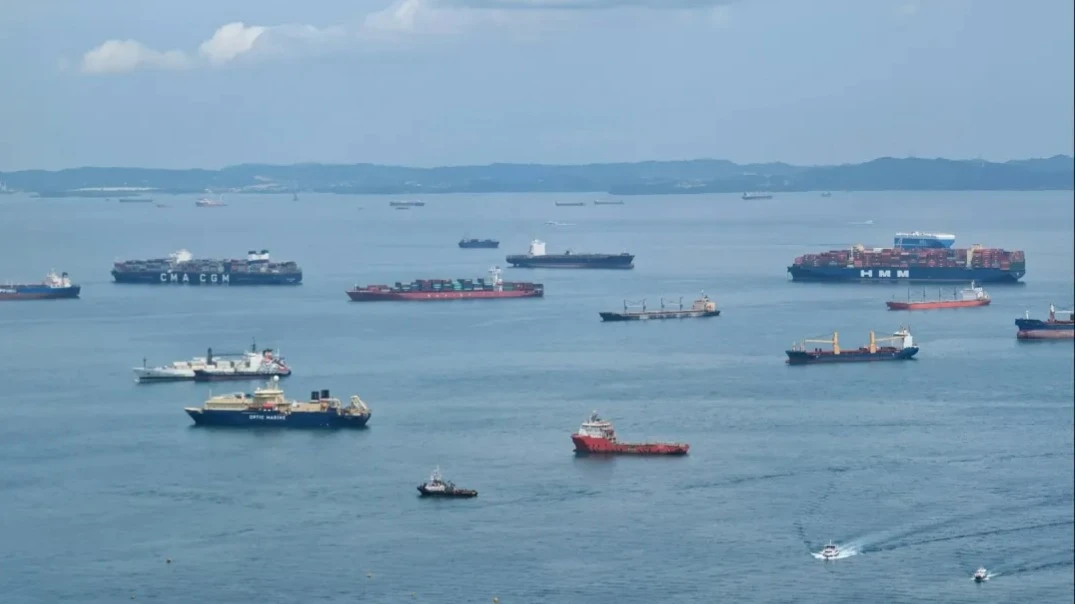
The Strait of Hormuz has been blocked since the end of February and its opening date is unknown / Photo: Alexander K/Unsplash
World oil reserves fell by almost 200 million barrels in April, or a record 6.6 million bpd, as conflict in the Middle East disrupts supplies, the Financial Times writes, citing S&P Global Energy calculations. S&P estimates cover both government and commercial reserves and the volume of oil in transit on tankers. The statistics takes into account, among other things, the raw materials brought to the market from the U.S. Strategic Petroleum Reserve.
Jim Burkhard, head of oil market research at S&P, believes that "the worst of this crisis is yet to come." "This [decline in inventories] is massive, it's well outside the normal range," the analyst said, pointing out that in peacetime, monthly fluctuations in reserves do not exceed a million barrels. Demand is declining rapidly, but supply is shrinking even more rapidly, and "the inevitable payback for the market is coming" - a new price spike, the expert warned.
Quotes went up in late February, when Iran blocked the Strait of Hormuz, which provided a fifth of the world's oil transit. On Ma. 5, a barrel of Brent fell in price by 4%, closing just below $110: investors played off the preservation of the truce between Washington and Tehran. But traders warn: the rally may accelerate if global reserves fall below critical levels. Market participants estimate that this will happen in the coming weeks, the FT points out.
Goldman Sachs states: global oil reserves are approaching an eight-year low. Reserves of oil products - gasoline, diesel and jet fuel - the world has only 45 days of consumption left, and the shortage is most acute in Asia and Africa. "The rate of reserve depletion and supply losses in a number of regions and for certain categories of [petro]products is a cause for concern," the investment bank said.
In Northern Europe, jet fuel stocks in April hit a six-year low, while Asia was hit hardest. The US is still saving its accumulated reserves, which exceed last year's levels. However, Burkhard from S&P warns that a sharp reduction in the volume of oil in the storages of the largest economy can provoke panic in the world market. According to Morgan Stanley's forecast, with stable gasoline consumption in the United States, the country's reserves could fall below 200 million barrels by the end of August - enough for only a week of demand.
This article was AI-translated and verified by a human editor