Three major questions about Musk and Altman's litigation. Their conflict is going to court

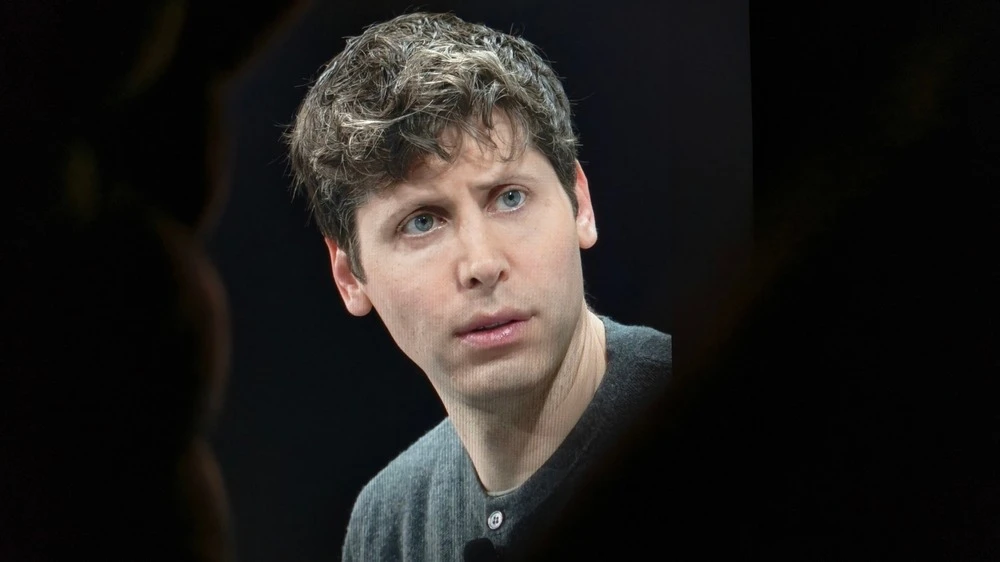
Altman vs Musk: How the tech sector's main conflict ended up in court / Photo: FotoField / Shutterstock
On Monday, April 27, the trial of Elon Musk's lawsuit against OpenAI and its key investor Microsoft will begin in a California court. The conflict between the two co-founders of the AI company - Musk and its head Sam Altman - could affect not only the future of the startup itself, but also the balance of power in the entire AI industry, Bloomberg believes. If Musk wins, it could cost OpenAI a significant sum and lead to a major overhaul of the loss-making AI giant. But regardless of the outcome, the case has already created uncertainty around OpenAI's business as it confronts increasing competition and prepares to go public, the agency notes.
Here are the top three questions about the confrontation between two of the most prominent figures in the tech industry.
How did the conflict begin?
Elon Musk and Sam Altman launched OpenAI together in 2015 as a nonprofit project focused on safe AI development. Disagreements arose when it became clear that they would need to raise billions of dollars to create the AI, Bloomberg explains. In early 2017, OpenAI decided to create a for-profit entity run by a nonprofit organization. Musk, according to the startup, wanted to gain control of it or integrate the project with Tesla, the agency writes. Specifically, he sought "a controlling stake, initial control of the board of directors and the position of CEO." OpenAI yielded to Musk, and in early 2018, the billionaire left the company's board of directors. In 2019, Altman became CEO. In other words, Musk wanted to lead the company, but Altman took over, Bloomberg points out.
After Musk left, OpenAI created a for-profit subsidiary, making it easier to attract outside investment. In 2024, the startup considered the idea of transitioning to a fully for-profit company, but faced pressure from public figures and former employees, including Musk, and eventually restructured its ownership structure, consolidating control to a nonprofit organization.
In 2024, Musk sued Altman and OpenAI. He claimed that the AI company he helped create "purposefully manipulated" him and "misled him" into donating $38 million based on promises that the organization would remain a nonprofit, CNBC recalls. Musk said OpenAI violated its original mission by putting profit above the interests of humanity. He also criticized the startup's deal with Microsoft, its largest investor, saying the partnership undermines the goal of creating open technology independent of corporate interests.
Since then, the two businessmen have found themselves embroiled not only in a legal battle, but also in a public exchange of harsh statements.
What is Musk trying to accomplish?
Musk is demanding that OpenAI's transition to a for-profit model be reversed and its status as a nonprofit research organization be returned. Such an outcome would likely alarm current and potential investors and jeopardize the startup's plans to go public at the end of the year, according to Bloomberg. In a document distributed to potential investors earlier this year, OpenAI characterized the lawsuit as a potential risk to its business.
The return of the nonprofit model involves, among other things, removing Altman and company president Greg Brockman from their positions, as well as removing Altman from the board of directors, according to a filed court document. Such a measure is applied when management fails to fulfill the public mission of the organization, the lawsuit says. In addition, the billionaire wants compensation from OpenAI and Microsoft of up to $134 billion, with the funds to be directed to OpenAI's charitable division.
"The relief Musk seeks is directly related to the purpose of filing this lawsuit: to prevent a public charity, which he co-founded and for which he was a major funder in its early stages of development, from being subordinated to private commercial interests," the document states.
Does xAI Musk pose a threat to OpenAI?
Elon Musk's own AI company xAI, launched in 2023 as an alternative to OpenAI, has already become a notable competitor, although Sam Altman's startup is still one of the industry leaders, Bloomberg writes. xAI relies on a more open approach: its models are distributed with the ability for developers to change parameters - unlike OpenAI's closed model. Musk's company has also attracted attention with unconventional products, from "romantic" AI assistants to chatbots with a more provocative communication style, and has previously faced criticism over its use of Grok to create explicit images without people's consent.
Musk merged xAI with SpaceX in February, giving the company more resources to invest in data centers, chips and talent acquisition, and strengthening its position in competition with OpenAI and AI startup Anthropic.
In addition, the merger could result in xAI being the first to go public as part of the combined company, ahead of OpenAI. SpaceX has already filed a confidential IPO application and may conduct an initial public offering in June, Bloomberg wrote.
An additional pressure factor remains Musk's influence in Washington under U.S. President Donald Trump's administration, which creates uncertainty for OpenAI amid competition for government contracts and infrastructure projects, the agency noted.
This article was AI-translated and verified by a human editor