Top stories for the morning: Trump reopens US Cabinet, Nvidia to invest $20 billion in OpenAI

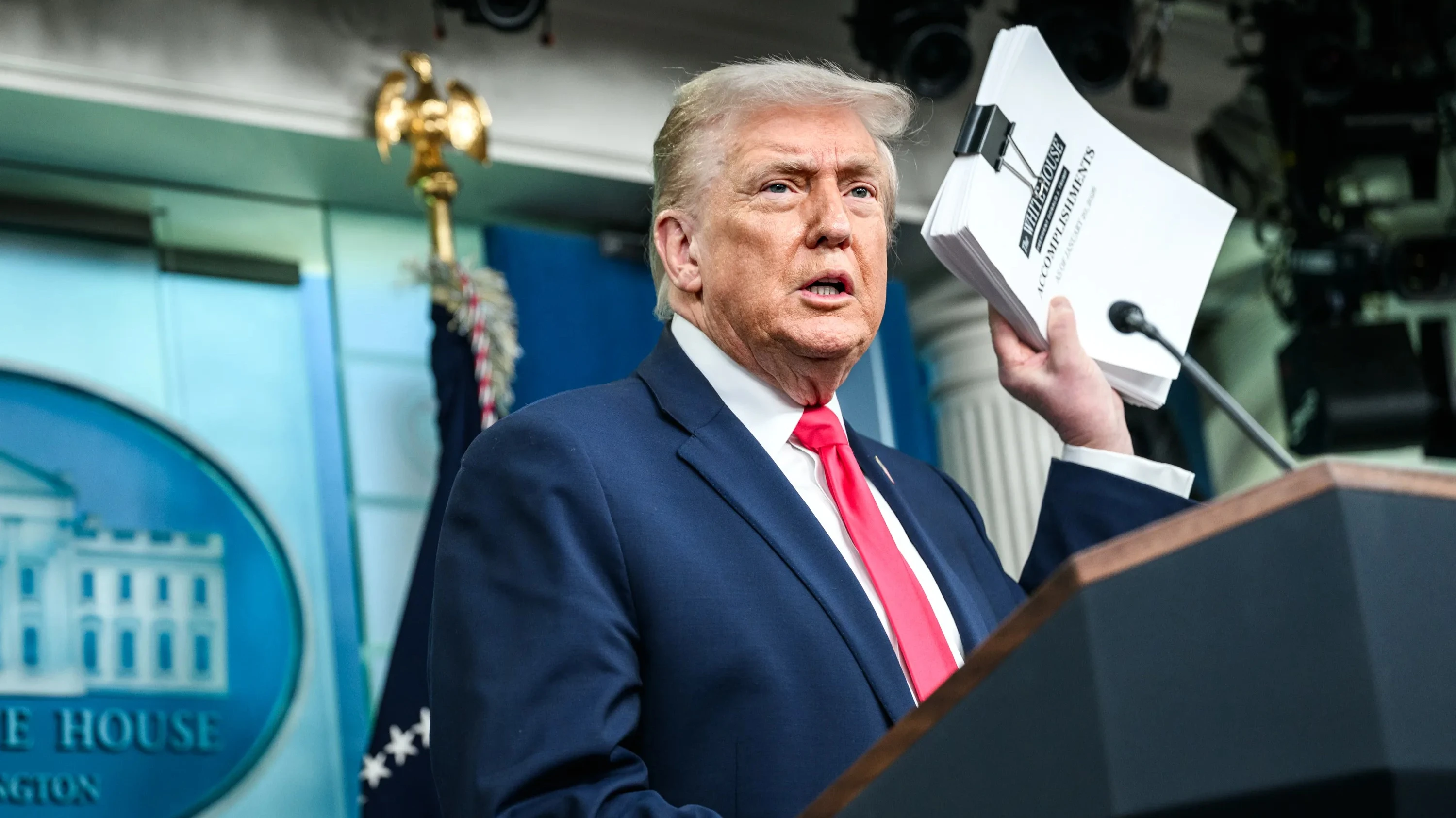
Trump signed legislation reopening most federal agencies and ending the partial U.S. government shutdown that began over the weekend / Photo: The White House
The US ended a brief shutdown after America's President Donald Trump signed legislation to fund the government, but disputes over immigration and the Department of Homeland Security budget remain ahead. UBS reported better-than-expected earnings but showed a weaker-than-expected quarter amid the complex integration of Credit Suisse. On these and other topics - in our review of key events for the morning of February 4.
Trump signed legislation to reopen the U.S. government
US President Donald Trump has signed into law a bill reopening most federal agencies and ending the partial government shutdown that began over the weekend, CNBC reports. The House of Representatives approved the document with a minimal margin of votes after the Senate passed it earlier.
Funding under the bill through September 30 has been provided to key U.S. departments, including Defense, Treasury, Health and Education, while only temporary funding for the Department of Homeland Security (DHS) is provided for two weeks. Congress and the White House will now move on to negotiate immigration enforcement rules within the ICE budget.
UBS beats fourth-quarter profit forecasts
Swiss banking giant UBS reported results for the fourth quarter, exceeding analysts' expectations on net profit, CNBC reports. Profit attributable to shareholders amounted to $1.2 billion against the forecasted $919 million. At the same time, the figure was lower than the result of the previous quarter ($2.5 billion). The group's revenue reached $12.1 billion - exactly in line with market expectations, down from the previous quarter, but exceeding the figure of a year ago.
The bank's Common Equity Tier 1 (CET1) capital ratio fell to 14.4% from 14.8% a quarter earlier. UBS CEO Sergio Ermotti said the bank has made significant progress on the Credit Suisse integration, calling it one of the most complex in the banking sector's history. Ermotti, who returned to the helm of UBS in 2023 to manage an emergency takeover of a rival, according to the Financial Times, plans to step down next April after the deal is completed.
Stephen Miran has stepped down as head of White House economic advisers
Member of the Board of Governors of the Federal Reserve Board Stephen Miran resigned as chairman of the White House Council of Economic Advisers, where he had been since January 2025, writes CNBC. He promised in advance to leave if his work at the Fed would last longer than the term of his predecessor Adriana Kugler, which happened.
At the Fed, Miran has consistently favored more aggressive rate cuts and voted against majority decisions. The White House has not yet nominated his successor; Donald Trump has previously named Kevin Warsh as a candidate to be the next Fed chief.
Nvidia is close to investing $20 billion in OpenAI
Nvidia is nearing a deal to invest about $20 billion in OpenAI in a new round of financing, which could be the company's largest investment ever, Bloomberg writes. The deal is almost agreed, but its terms could still change. OpenAI plans to raise up to $100 billion in a new round of financing, with Amazon discussing investments of up to $50 billion and SoftBank up to $30 billion.
Amid reports of possible tensions between Nvidia and OpenAI (Reuters reported the day before that OpenAI is dissatisfied with Nvidia chips and is looking for alternatives, and Nvidia, meanwhile, as The Wall Street Journal wrote, has suspended plans to invest up to $100 billion in OpenAI), the heads of the companies publicly confirmed their readiness to continue cooperation. Nvidia CEO Jensen Huang said the company will definitely participate in the new OpenAI funding round, calling it a "very profitable investment" and potentially the largest for Nvidia.
Nintendo shares fall 10% on concerns over Switch 2's prospects
Nintendo's shares fell by almost 11% after the report for the quarter: investors were concerned about the sales dynamics of the new Switch 2 console, writes Reuters. The company reported strong sales of the device during the holiday season, but the market was disappointed by the lack of high-profile game releases that could have supported long-term demand. Nintendo left its profit forecasts unchanged, which was also perceived negatively.
Investors had previously driven the company's stock to record highs on expectations of success for the Switch successor, but the stock has been declining since last November. Analysts note that the early success of Switch 2 is critical to building a user base, and an additional risk for the company remains the rise in memory chip prices, which could eventually hit margins.
What's in the markets
- Japan's broad Topix index was up 0.32%, while the Nikkei 225 was down 0.59% in Feb. 4 trading.
- Hong Kong's Hang Seng index rose by 0.34%. CSI 300 index of mainland China - by 0.66%.
- In South Korea, the Kospi index was adding 1.5% and the Kosdaq was up 0.49%.
- Australia's S&P/ASX 200 was up 0.8 percent.
- S&P 500 futures were up 0.14%, Nasdaq Composite futures were little changed and Dow Jones Industrial Average exchange-traded contracts were adding 0.15%.
This article was AI-translated and verified by a human editor