Top story for the morning: Oracle to raise up to $50 billion, gold and silver continue to fall

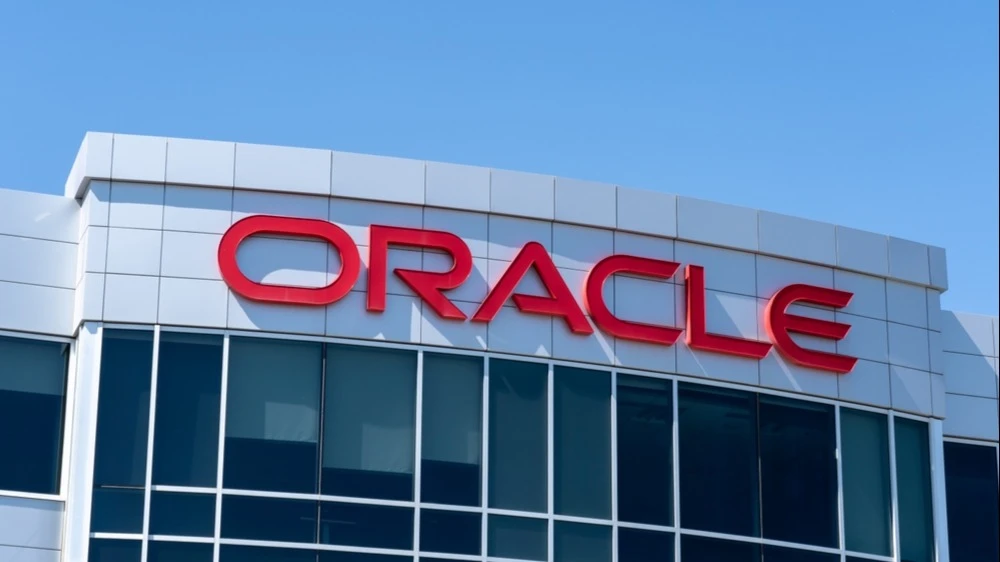
Oracle intends to raise up to $50 billion to expand its cloud infrastructure to meet growing demand from its largest customers / Photo: JHVEPhoto / Shutterstock
Oracle is preparing a large-scale capital raise to build data centers to meet the demand from its largest customers, and Alibaba and its competitors are rolling out multi-billion dollar campaigns to promote AI applications in China. About these and other topics - in our review of key events by the morning of February 2.
Oracle prepares massive cloud funding for the sake of AI
Oracle intends to raise $45-50 billion in 2026 through a combination of debt and equity issuance to expand its cloud infrastructure to meet growing demand from major customers including AMD, Meta, Nvidia, OpenAI, TikTok and xAI, Bloomberg reports, citing a company statement. It intends to raise about half of the amount through an equity and convertible offering, with the rest through a large bond issue in early 2026.
Analysts note that the share issue may support the credit rating, but at the same time pressurizes quotations, and the debt market may not be ready to digest such a volume of new liabilities of the company, the agency notes.
Gold and silver continue to fall after record collapse
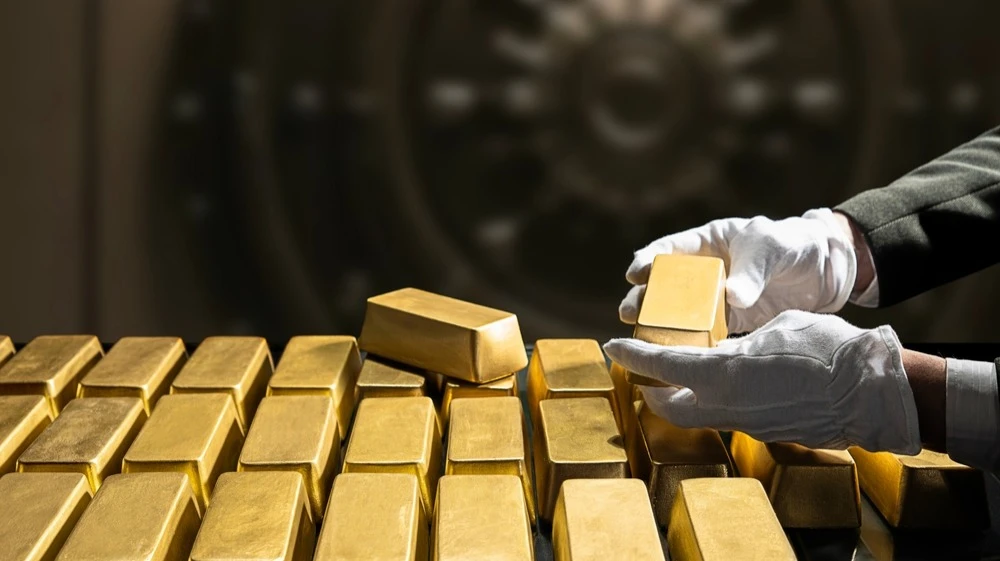
Gold and silver on Monday, February 2, continued their sharp declines after Friday's sell-off as the strengthening dollar and profit taking derailed the momentum of a rally that had recently pushed the metals to all-time highs, CNBC reports. Spot gold fell about 6 percent to $4538 an ounce after a nearly 10 percent plunge on Friday, Jan. 30, while silver fell another more than 12 percent to $74.36 after falling 30 percent - its worst day since 1980.
Analysts attribute the reversal to the revision of expectations on the Fed policy after the nomination of Kevin Warsh to the post of the head of the regulator, which supported the dollar and reduced the attractiveness of precious metals. At the same time, the market considers what is happening as a classic correction after overheated growth, rather than the breakdown of the long-term "bullish" trend, the channel notes.
Oil falls amid signals of easing tensions between US and Iran
Oil prices fell sharply on Monday, February 2, after Donald Trump's statements on Iran eased fears of supply disruptions, CNBC writes. The US President said Tehran was "seriously negotiating" with Washington, which the market took as a possible step towards détente. Against this background, Brent fell more than 6% to the neighborhood of $66 per barrel, and WTI cheapened by almost 5% to about $62.
Analysts note that hopes for de-escalation coincided with the growth of supply, including due to the entry of Venezuelan oil into the market, as well as with the political sensitivity of the US to rising fuel prices before the mid-term elections. An additional deterrent remains the OPEC+ decision to keep production unchanged by extending the current restrictions.
Alibaba to invest $431 million to promote AI for Chinese New Year
Alibaba has announced that it will spend 3 billion yuan ($431 million) to attract users to its Qwen AI app during the Chinese New Year celebrations, Reuters reports. The campaign will launch on February 6 and will include rewards for visiting restaurants, cafes, entertainment and leisure activities, as well as a mass distribution of "red envelopes" (a digital adaptation of the Chinese tradition of giving money for good luck). The amount of investment is three times the budgets of competitors: Tencent and Baidu previously announced spending 1 billion and 500 million yuan, respectively.
The intensified marketing reflects the intensified competition in the Chinese AI market after the release of the DeepSeek R1 model, which accelerated AI adoption and intensified the battle for users, the agency points out. The Lunar New Year period is traditionally used by tech giants as a key point for audience growth: in the past, such campaigns have already radically changed the balance of power in China's digital markets, the agency explains.
What's in the markets
- Japan's broad Topix index was falling 0.65%, while the Nikkei 225 was down 1.05% in Feb. 2 trading.
- Hong Kong's Hang Seng index was falling by 2.92%. CSI 300 index of mainland China - by 1.45%.
- In South Korea, the Kospi index was down 5.09% and the Kosdaq was falling 4.51%.
- Australia's S&P/ASX 200 was down 1.02%.
- S&P 500 futures were down 1.25 percent, Nasdaq Composite futures were down 1.7 percent and Dow Jones Industrial Average exchange-traded contracts were down 0.81 percent.
This article was AI-translated and verified by a human editor