Trump signed an executive order to ease cannabis regulation. Why did the quotes collapse?
U.S. to change marijuana classification, recognizing it as a less dangerous drug

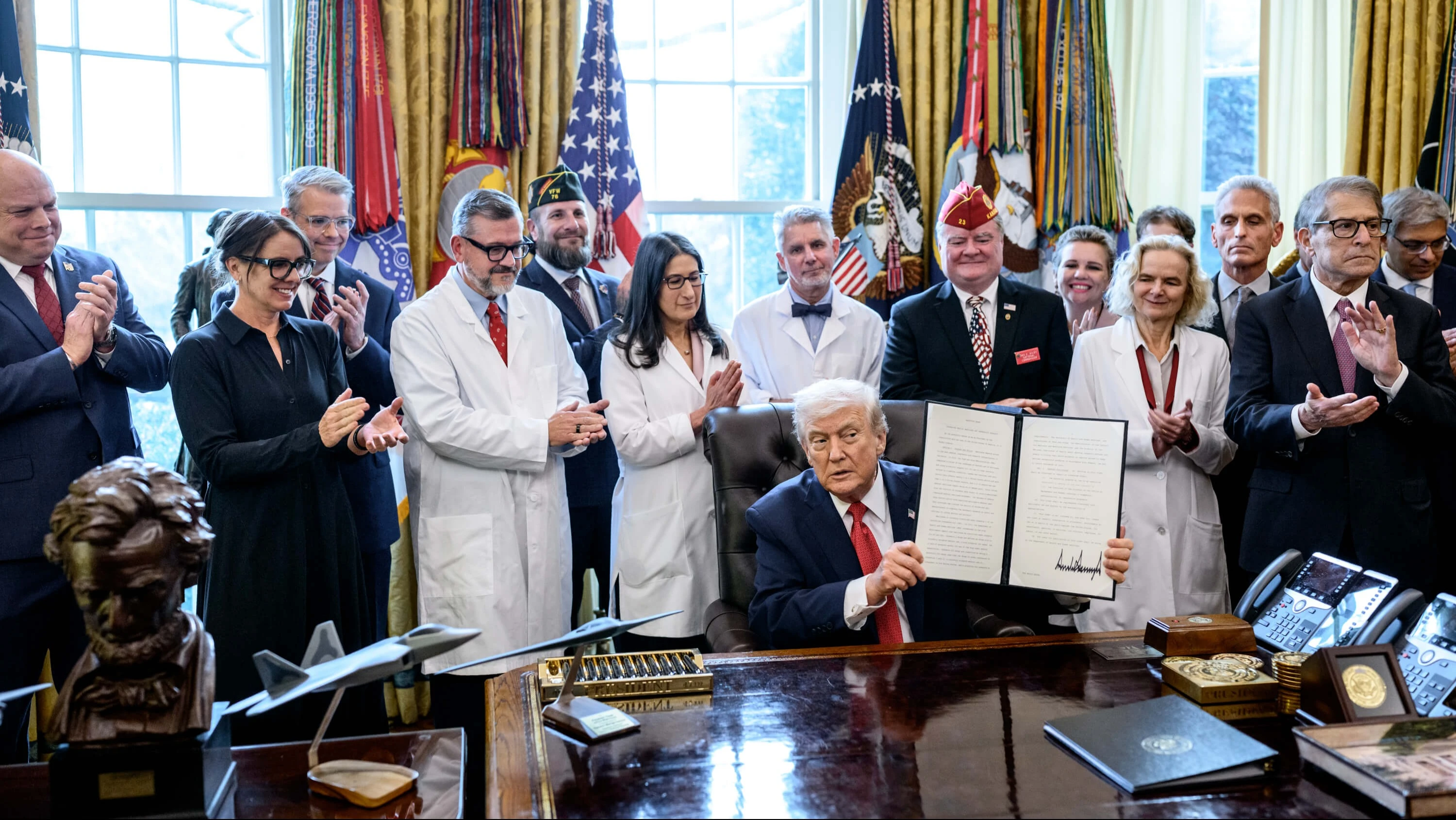
U.S. President Donald Trump signed an executive order on Dec. 18 suggesting a relaxation of marijuana regulation. It is to be moved from the most restrictive category to the category of substances with recognized medical use and lower abuse potential. This reduces the tax burden and opens up prospects for new drugs to enter the market, but stocks in the sector have fallen sharply.
Details
Trump's executive order directs the U.S. Department of Justice to begin the steps necessary to change the classification of cannabis from Category I to Category III, according to a document published on the White House website. Category I now includes, for example, heroin and LSD, while Category III includes, among others, ketamine, CNBC explained.
"This action was requested by American patients suffering from severe pain, terminal illnesses, aggressive cancers, seizures, neurological problems and other conditions," Trump said during the signing of the executive order (quoted by Bloomberg).
The Centers for Medicare and Medicaid Services, which administer the respective insurance programs, will launch a pilot program in April that will allow some older Americans with Medicare to receive free cannabis products recommended by a doctor, CNBC reported, citing White House sources.
What does that mean
Trump's executive order does not mean legalizing marijuana and does not impose any specific deadlines, MarketWatch noted. It is, according to Trump administration officials, aimed at expanding research into the medical uses of marijuana, the publication added. That opens the door to creating drugs that can get approval from the U.S. drug regulator FDA, and thus a clearer path to market for companies, Bloomberg wrote.
Analysts called the marijuana reclassification also a financial relief for the industry because it eases tax requirements: companies in the industry will for the first time be able to deduct standard expenses such as rent and employee salaries, CNBC noted. The tax burden has been affecting the profitability of marketers, MarketWatch explained. It also opens up access to banking services and institutional capital that were previously unavailable due to compliance, the channel added.
In addition, many on Wall Street speculated that the reclassification and test coverage of cannabis in Medicare would attract big pharma players to the market, CNBC writes.
What about the stock
Shares of companies in the cannabis industry showed mixed dynamics after Trump's announcement, writes MarketWatch. Thus, shares of Tilray Brands fell by 4.2% at the end of trading on December 18, although during the day at the moment rose by 22%. Trulieve securities in Canada also collapsed 22%, while Green Thumb Industries fell 15.3%. Shares of Curaleaf Holdings, a cannabis producer with operations in several states, plunged 32%.
The negative performance is likely due to investors locking in profits on stocks after they rose on reports of the impending executive order, MarketWatch suggested.
Context
Currently, about half of U.S. states allow cannabis for recreational use, and more than 40 states and Washington, D.C., allow marijuana for medical purposes, Bloomberg noted.
