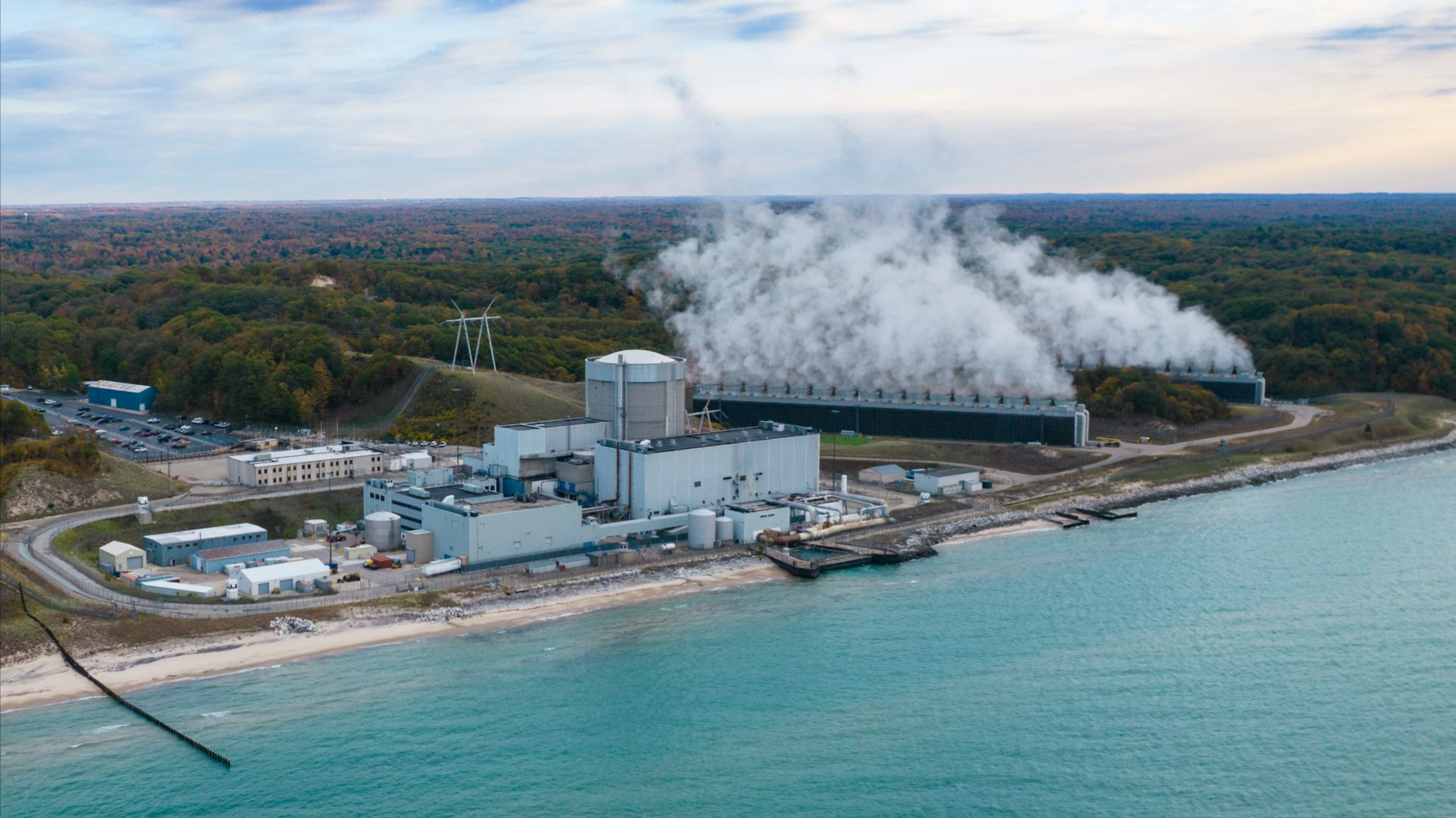
Trump suspended a century-old shipping law. Oil soared to $109


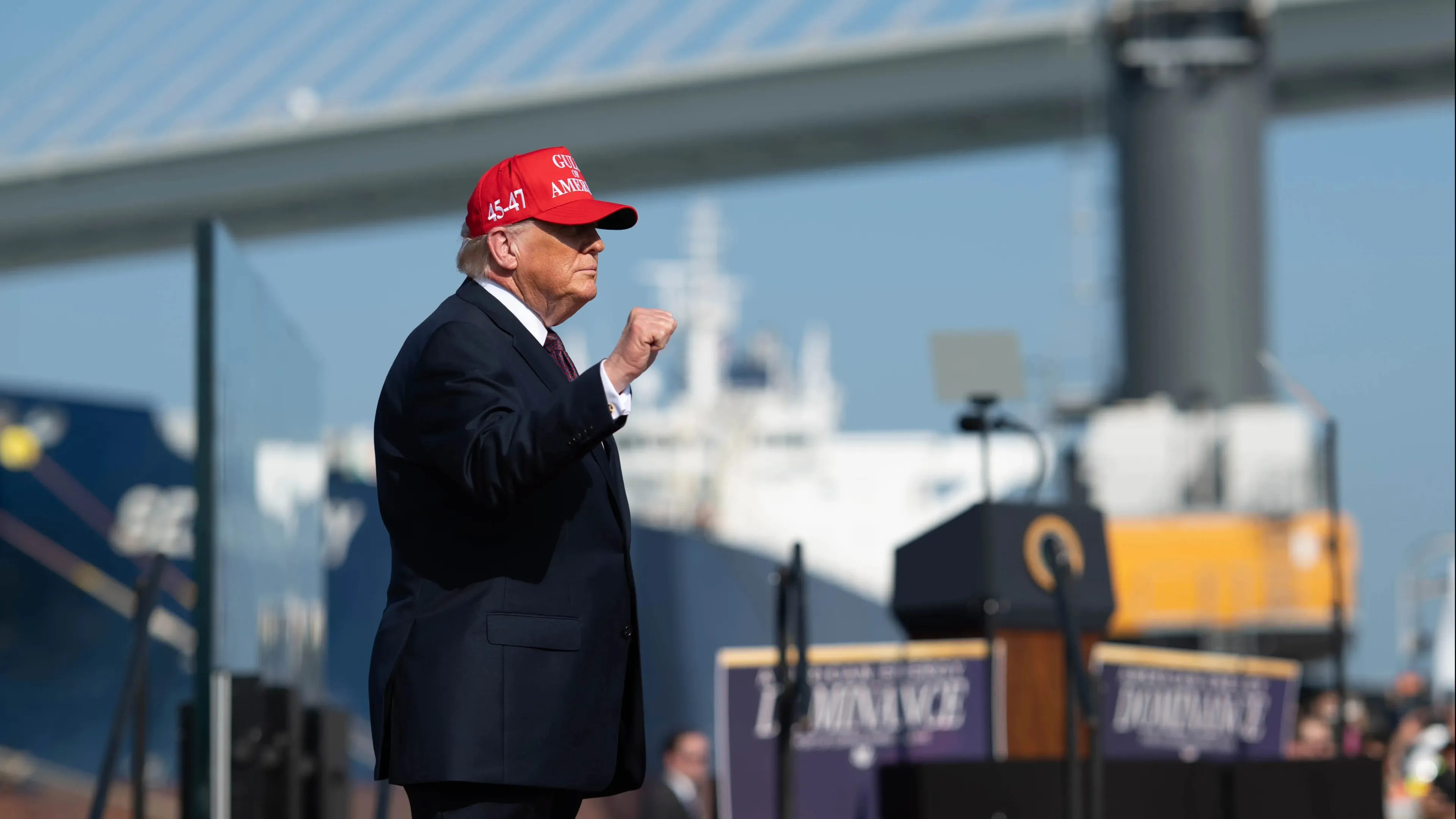
The measure is aimed at curbing oil prices, which soared more than 5% in trading on March 18 / Photo: The White House
U.S. President Donald Trump on March 18 suspended the centennial Jones Act, which requires the transportation of cargo between U.S. ports exclusively on ships built in the U.S., Bloomberg reported citing sources. Information in the White House confirmed to CNBC. The measure is aimed at cheapening the transportation of oil, gas and other goods inside the country and should help contain the growth of energy prices amid the war with Iran.
In trading on March 18, Brent jumped more than 5% to $109 per barrel.
Details
By temporarily repealing the Jones Act, Trump has authorized foreign-flagged vessels to carry a wide range of cargo between U.S. ports for the next 60 days. These include coal, crude oil, petroleum products, natural gas and its liquid forms, fertilizers, and products for which refined petroleum products serve as the main feedstock, White House officials told the agency on condition of anonymity because the details of the decision have not yet been publicly disclosed.
The short-term suspension of the Jones Act was presented by the Trump administration as a measure to simplify energy supplies as well as prevent shortages that could disrupt military operations, Bloomberg notes.
"President Donald Trump's decision to enact a 60-day exemption from Jones Act requirements is another step to alleviate short-term disruptions in the oil market while U.S. military forces continue to fulfill the mission of the operation [in the Middle East]," White House spokeswoman Carolyn Leavitt said.
Context
On March 18, Iran warned Persian Gulf countries that part of their energy infrastructure was at risk of missile strikes after Israel attacked the South Pars gas field. This is the first time since the beginning of the war that the strike came against oil and gas production facilities on Iranian territory, Bloomberg writes. The agency also notes that shipping through the Strait of Hormuz is not likely to open without a truce in the war in the Middle East, although Iran continues to conduct through it its own oil in volumes generally comparable to pre-war.
This article was AI-translated and verified by a human editor