TSMC's report boosted chipmakers' shares. What do investors expect from them?
Capital expenditures by TSMC, the largest AI chip maker, for 2026 were notably higher than expected - suggesting the company expects continued strong demand for AI

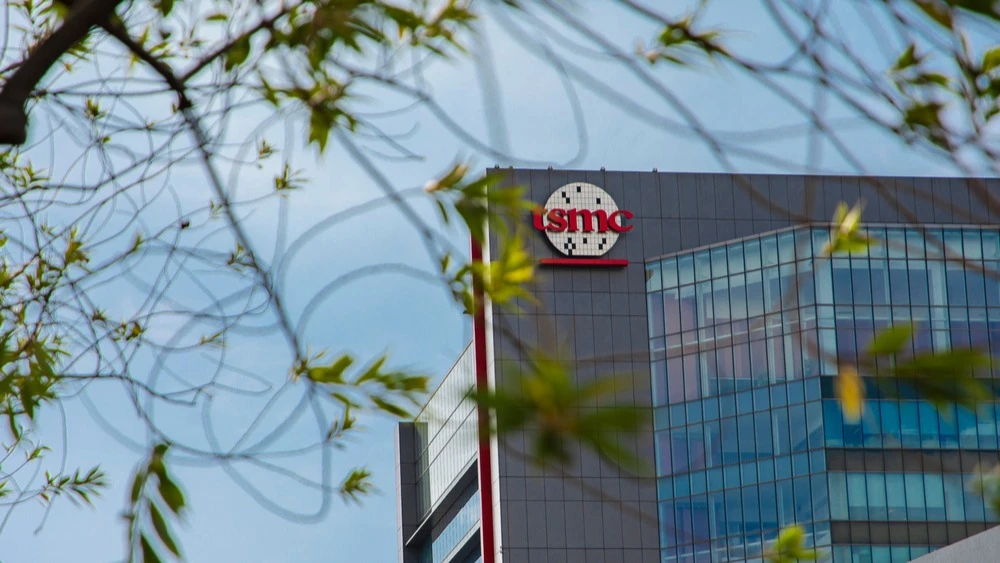
Shares of chip makers, as well as companies that sell equipment and other tools for chip production, jumped after the TSMC report / Photo: Shutterstock / Vidpen
Shares of chip manufacturers, as well as companies selling equipment and other tools for chip production, moved to growth on January 15, Barron's wrote. The sector was supported by a strong investment outlook from Taiwan Semiconductor Manufacturing (TSMC). American depositary receipts of Dutch chip equipment maker ASML Holding rose about 6% in opening trading. Shares of its U.S. rivals Applied Materials, Lam Research and KLA Corp. - were adding between 6% and 8%. TSMC's ADRs rose 4.3%.
Details
Capital expenditures at the largest AI chip maker will be between $52 billion and $56 billion in 2026 - markedly above market expectations and the $40.9 billion level a year earlier, the company's top executives said on a conference call with analysts at the end of the reporting period. "In the short term, in 2026-2027, we will focus on productivity improvements. In 2028-2029, we will start to significantly increase capital expenditure, and this trend will continue if the demand for AI develops as we expect," said TSMC CEO Xi Xi Wei.
TSMC remains the dominant AI chip maker, and such a large-scale investment program indicates the expectation of continued strong demand for AI from customers, Barron's noted. The investment decisions were made in consultation with key customers and reflect confirmed demand, Wei said.
"If we had acted without a thorough review, it would have been a serious mistake for TSMC," he emphasized.
Context
Additional support for the chipmaker sector came from reports that the 25% duty on imported chips planned by US President Donald Trump's administration will apply only to chips that are imported into the US, not used domestically for AI tasks and then re-exported. For now, it only affects Nvidia and AMD, Barron's wrote.
While the US authorities do not rule out the possibility of broader tariff measures on semiconductors, companies investing in chip production in the US or in certain elements of the US supply chain are likely to receive preferential treatment. This could significantly limit the scope of potential tariffs, Barron's summarizes .
This article was AI-translated and verified by a human editor