U.S. Congress won't crack down harder on Nvidia chip sales to China - Bloomberg
The head of Nvidia discussed exports with Donald Trump on Wednesday, Reuters has learned

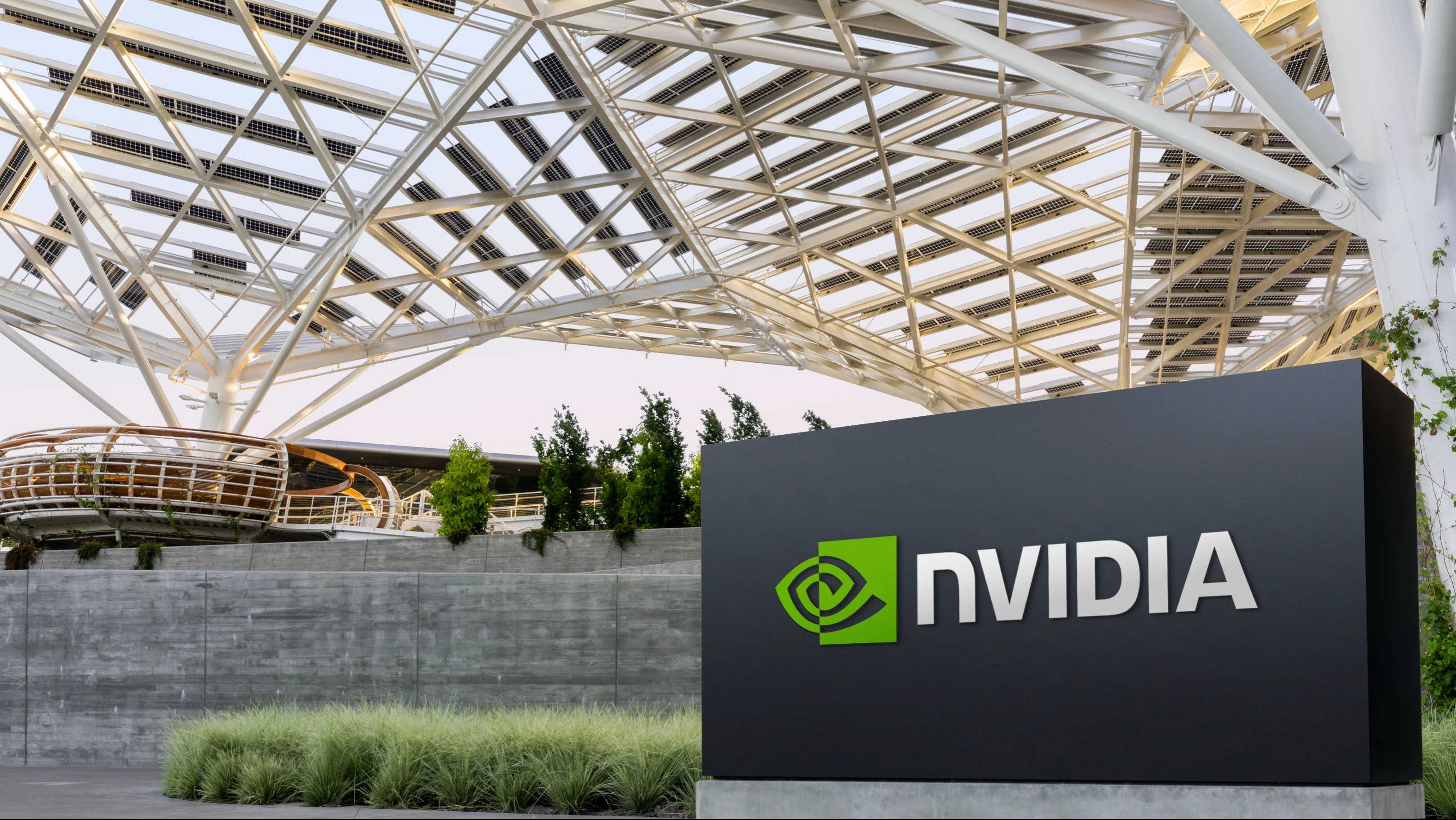
Nvidia is close to a significant lobbying success in the US: Congress has decided to refrain from new restrictions on the sale of its advanced artificial intelligence chips to China, Bloomberg has learned. This is a defeat for Nvidia's big customers, including Microsoft and Amazon, the agency said.
Details
Provisions for new restrictions on U.S. chipmakers did not make it into the defense bill to be publicly unveiled on Friday, December 5, a source familiar with the document told Bloomberg. It is not a final decision, he said, and the situation could still change unexpectedly.
According to Bloomberg, lawmakers originally planned to add a special clause to the annual defense policy bill - the GAIN AI Act. It would have introduced a requirement for processor manufacturers, including Nvidia and its main competitor AMD, to prioritize U.S. customers when selling their most advanced chips, and only then to export them to China and a number of other countries.
What does that mean
The decision not to include the clause in the bill will end a bitter lobbying standoff between hardliners on China and AI security - and Nvidia with other market players looking to expand its presence in the Chinese market, Bloomberg explained. Nvidia warned that the bill would limit global competition for chips, and promised it wouldn't leave U.S. customers without advanced hardware as it is, the agency added.
The rejection of the GAIN AI Act is also a defeat for some U.S. cloud giants, including Nvidia's biggest customers Microsoft and Amazon, which supported the bill because it would have cemented their advantage over Chinese rivals in accessing advanced technology, Bloomberg says.
The issue has taken on particular urgency as the White House is now considering exporting the H200, Nvidia's chips that outperform all current Chinese designs, Bloomberg wrote. President Donald Trump has said he is open to the idea of allowing shipments of simplified versions of these chips, but key members of his administration oppose it, the agency noted.
Trump met with Nvidia CEO Jensen Huang on Wednesday, Dec. 3, to discuss export issues, a source told Reuters. Nvidia did not respond to the agency's request for comment on the matter.
"Hawks" towards China in Congress are likely to continue pushing for tighter restrictions on supplies of advanced technologies to the country, Bloomberg suggested. Another bill, the Secure and Feasible Exports (SAFE Act), which would codify all existing restrictions on the supply of AI chips to China, is already being prepared, the agency added.
What about the stock
Nvidia shares fell by 1% on December 3, and during trading the price fell by 1.3% to $179.11. Compared to the beginning of 2025, the securities are now almost 34% more expensive.
Most analysts advise buying the AI processor maker's securities: the securities have 56 Buy ratings and nine Overweight ("above market") versus only five Hold and one Sell, MarketWatch shows. The average target price of $255.06 implies a 40% increase in quotes from the last closing price.
This article was AI-translated and verified by a human editor