U.S. stocks had their worst day since May, the dollar its worst day since April: is the rally over?
Two-year U.S. government bond yields posted their biggest drop since December 2023: investors increased demand for protective assets

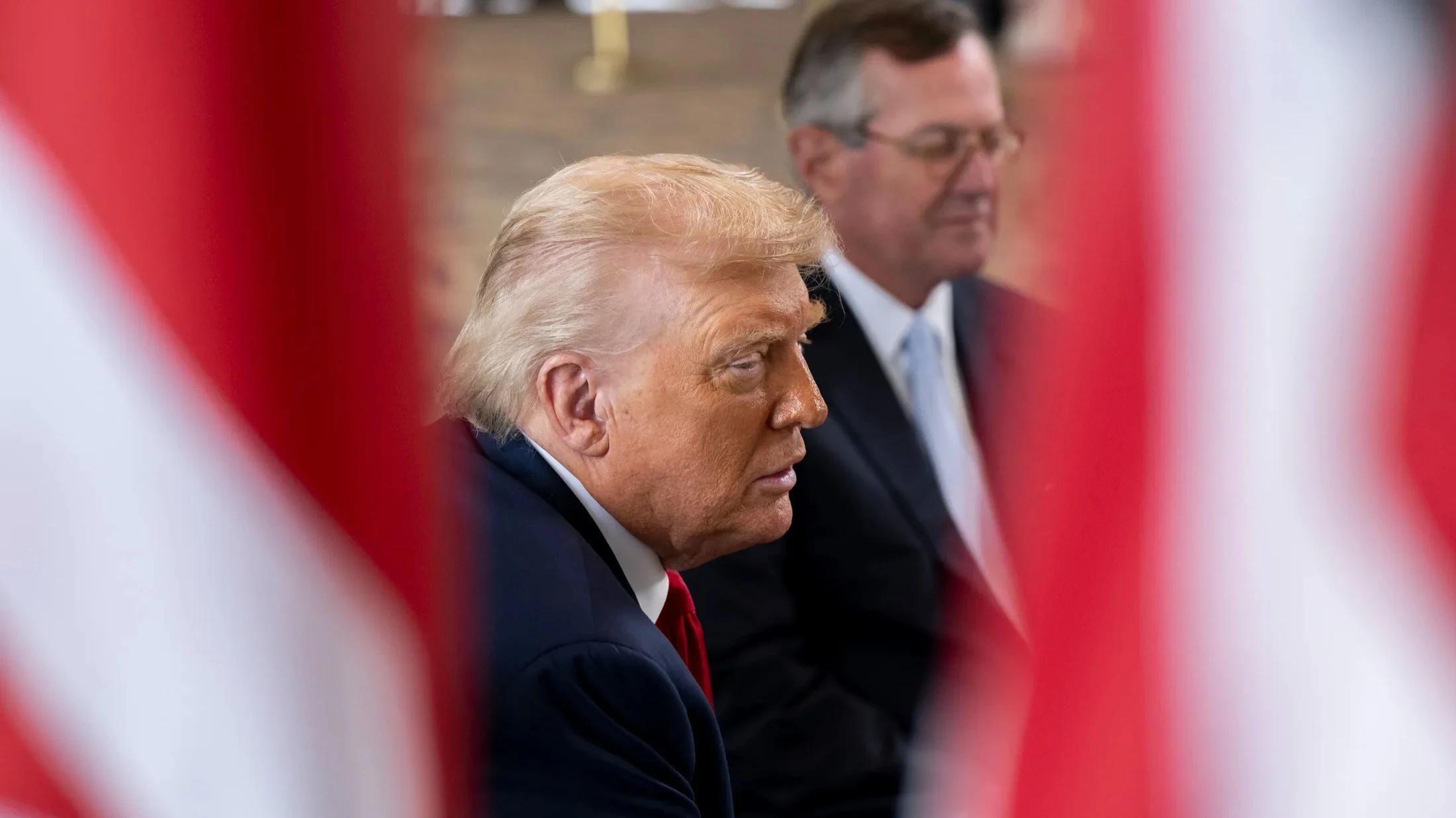
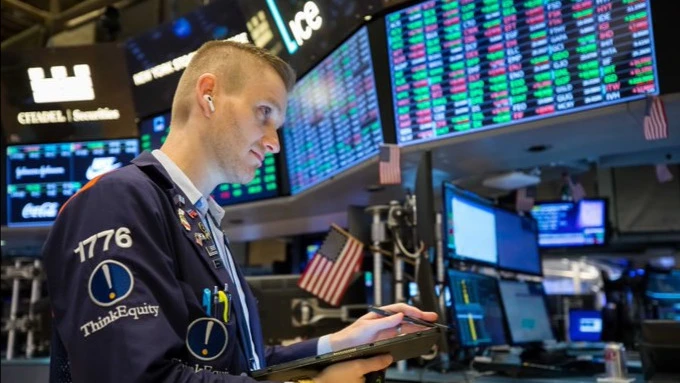
The main US index S&P 500 fell 1.6% on Friday, suffering its worst day in more than a month. Three other major indexes also declined, while the "Wall Street Fear Index", on the contrary, rose above the psychological mark of 20 points. The dollar after a successful July showed the strongest decline since April. Two bad news hit the market at once: Donald Trump's new duties and unusually weak labor market statistics. Analysts are now warning of an increased risk of recession, and traders are waiting for a Fed rate cut in September.
Details
- The S&P 500 index fell 1.6 percent, to 6,238.01 points, at the end of trading on Friday, Aug. 1. That marked its strongest drop since May 21, reported CNBC. The index also had its worst week since May, added Bloomberg.
- The blue-chip index Dow Jones Industrial Average lost 1.23% to close at 43,588.58 points. It is having its worst day since June 13.
- "Technology" index Nasdaq Composite collapsed 2.24% to 20,650.13 points. That's the biggest one-day decline for it since April 21.
- Marketplace and cloud giant Amazon securities were the worst performers in the Dow Jones, which tumbled 8.3 percent after unambiguous reporting. The company beat Wall Street forecasts for earnings and revenue, but investors were disappointed by a weak outlook for the current period.
- At Apple, which successfully reported on July 31, the securities fell 2.5%. Also in the "Magnificent Seven" this week, strong reports published by Meta and Microsoft: their securities were down 3% and 1.76%, respectively, on Friday. Microsoft's capitalization was below $3.9 trillion, though on Wednesday the company temporarily joined Nvidia in the club of public companies worth more than $4 trillion.
- Bank stocks were hit hard as investors fear the slowing economy will hit loan growth, CNBC noted. Shares of JPMorgan were down more than 2 percent, while Bank of America and Wells Fargo were down more than 3 percent.
- The Russell 2000 index of small-capitalization companies fell 2 percent, extending a streak of declines to five days. It is having its worst week in more than two months, Bloomberg writes.
- The Cboe Volatility Index, known as the "Wall Street Fear Index," climbed 22% - to 20.38 points. The index was above the psychologically important 20-point mark for the first time since the selloff in April.
- Traders sharply increased the probability of a rate cut by the U.S. Federal Reserve at its September meeting - to 91%, although earlier this week, after the July meeting, their estimates fell to around 40%. The prospect of lower rates drove the dollar down as much as 1%: the U.S. currency hasn't depreciated so sharply in a single day since April.
- The yield on two-year U.S. government bonds posted its steepest drop since December 2023 as investors increased demand for protective assets.
What influenced the market
US President Donald Trump signed executive orders imposing increased duties on nearly 70 countries and territories. The duties will take effect in seven days. For example, duties on a number of goods from Brazil will rise to 50%, from Switzerland to 39%, from Canada to 35%, and from India to 25%.
Also this afternoon, the U.S. Bureau of Labor Statistics published labor market data for July: nonfarm job growth slowed to 73,000 instead of the expected 100,000, and the unemployment rate rose to 4.2%. Job gains were the worst since the pandemic, according to Bloomberg. May and June results were also revised downward: by a combined 258,000. Afterward, Trump ordered Bureau chief Erica McEntarfer to resign.
Geopolitical concerns were also added to the evening. Trump announced that he had ordered the deployment of two nuclear subs "in appropriate regions" because of "extremely provocative" statements by former Russian President Dmitry Medvedev. The Kremlin had not responded by the time this text was published.
What the analysts are saying
For months, Wall Street has ignored Trump's trade war and the Fed's policy of keeping rates "higher for longer": investors were confident that a strong U.S. economy would continue to drive the market higher. That confidence began to crumble this week, wrote Bloomberg.
"The cooling of the economy due to the duties is starting to take its toll. Softer labor market conditions should perplex the Fed, and knowing that they have been a reactionary organization in recent years, we can expect a higher probability of Fed action in the coming months," said Charlie Ripley, senior investment strategist at Allianz Investment Management, as quoted by Bloomberg.
"Many are looking towards the exit. Weak employment data should strengthen the likelihood of a rate cut in September, but concerns remain that the Fed is waiting too long," agreed co-head of equity trading at Themis Trading Joe Saluzzi.
The market's drop on Friday was the result of worries about economic growth, which came amid fairly overvalued market indicators, said Macquarie Group strategist Thierry Wiseman, he was quoted by CNBC.
"Given the slow pace of job creation and the impending negative effect of duties, there is a high probability of negative wage statistics in the coming months, which could raise recession fears," warned ClearBridge Investments head of economic and market strategy Jeff Schulze.
"Traders are locking in profits as tech company reports wind down, macro risks build, and the seasonality factor turns negative. The range is narrowing, valuations are stretched, and defensive positioning is slowly taking shape," according to Calamos Investments portfolio specialist Joseph Cusick.
This article was AI-translated and verified by a human editor