UAE may relax tax rules for expats who left because of war with Iran - FT

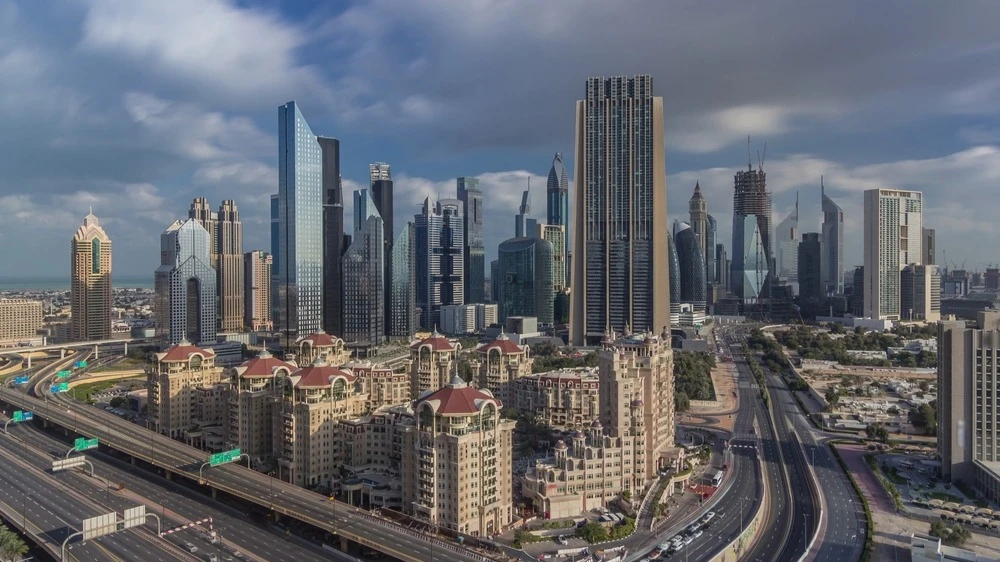
UAE ready to relax tax residency requirements for returning expats - FT
Authorities in the United Arab Emirates are planning to relax tax residency requirements for expats, allowing them to spend more time abroad without losing their favorable tax status, sources told the Financial Times. The measure is aimed at those who left the country after the outbreak of war in the Middle East, during which Iran has repeatedly attacked various sites in the UAE, including the center of Dubai.
According to the FT's sources, Emirati residents who have left since the war began will be treated more flexibly in terms of the minimum stay periods required to retain tax residency. The countdown for determining this status in the UAE begins on January 1, so those who left the country after the conflict with Iran began on February 28 risk losing it if they do not return in the coming months or if the rules are not relaxed, the publication explains.
The decision is particularly important for Dubai, the region's key financial center, which attracts wealthy expatriates with its zero income tax rate, reputation as a safe jurisdiction and high levels of available capital, the FT notes. "Dubai has already seen its key advantage - security - undermined by recent events. It is crucial for the city's economy and image to retain these expats," said BDO tax partner Elsa Littlewood.
The UAE has two regimes for expats to obtain tax residency: as a general rule, one must be in the country for at least 183 days in a consecutive 12-month period, or 90 days if there are substantial ties to the country - such as employment or permanent housing, according to the "center of vital interests" principle. It is this principle that can give flexibility to the UAE tax authority when determining status. Authorities can also take force majeure circumstances into account, the publication says.
According to two lawyers who have been instructed by the regulator, each appeal will be considered individually once the conflict is finalized. The authority did not respond to the FT's request.
Some of the wealthy residents left the UAE in March amid Iranian strikes on US allies in the region, but many have since returned in a bid to retain their tax status, sources told the FT, with the willingness to stay in the country declining as the war enters its third week and critical infrastructure, including Dubai's financial district, comes under attack, the newspaper notes.
This article was AI-translated and verified by a human editor