UBS dropped its advice to sell Rivian shares. Why isn't the analyst ready for more?
The bank liked the automaker's forecast for deliveries this year, but it will be a challenge to realize its vision


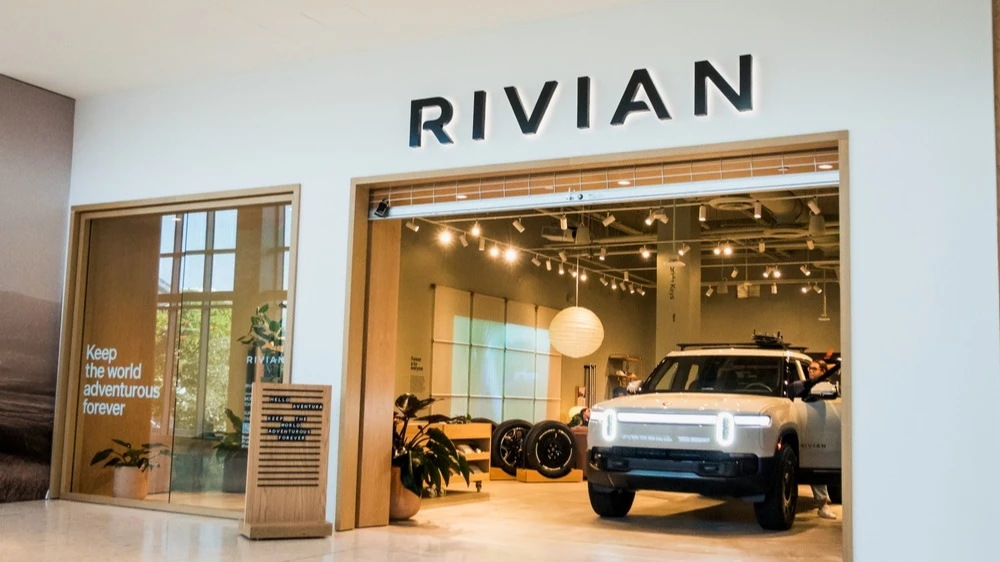
UBS analyst Joseph Spak upgraded Rivian from "sell" to "neutral" after being impressed with the electric car maker's fourth-quarter results and optimistic outlook for 2026. Photo: Michael Berlfein/Shutterstock
UBS analyst Joseph Spak refused to recommend selling shares of Rivian, a rival electric car maker to Tesla, and gave them a neutral rating, TipRanks reports. The analyst was impressed with the company's results and optimistic outlook for this year. But meeting the ambitious delivery plan will require near flawless manufacturing execution, UBS warned.
Details
UBS analyst Joseph Spak upgraded Rivian from a "sell" recommendation to a "hold" rating after the company's report was published. The analyst was impressed by its results and optimistic sales forecast , TipRanks writes.
Rivian reported its first-ever annual gross profit on Feb. 12, and also announced plans to launch a new R2 SUV model in the second quarter priced slightly below $45,000 - roughly on par with the Tesla Model Y. These vehicles should be a growth driver for the manufacturer: their market entry is expected to help boost deliveries in 2026 by about 53% to 62,000-67,000 units.
UBS analyst also raised the target price of Rivian shares, but insignificantly - from $15 to $16. When, after the publication of the report quotes of the company soared by 27%, they were above the new target by 10%.
"We believe the near-term risk-to-potential return ratio has become more balanced and our previous rating was largely based on stock valuations," Spak wrote.
He believes Rivian's investment potential is based on the company's ability to grow over time into a large and ultimately profitable business. Spak said he has always been enthusiastic about the brand's products and market opportunity. But the company's capitalization was "outpacing real-world developments," he explained.
Why the analyst has doubts
Rivian's 2026 delivery forecast exceeded Spak's expectations, TipRanks clarifies. If the company can achieve these numbers, it will set the stage for even stronger results in 2027 and beyond, the analyst says.
However, this forecast implies that sales of the R1 and RCV models will remain about the same as last year, and demand for the R1 may decline due to the elimination of electric vehicle tax credits and other regulatory changes, Spak warned. In addition, the planned release of advanced driver assistance systems in the second half of the year could cause some potential buyers to delay a purchase.
UBS doubts that Rivian will be able to exceed expectations for 2026 and, moreover, risks of not meeting targets remain. Spak estimates that the company's plan will require a significant acceleration of the assembly line, including the production of about 45,000 vehicles in the second half of the year and the delivery of approximately 22,000 new R2 SUVs, which will require near flawless execution of the production schedule.
As a result, the analyst does not expect significant positive revisions to the forecast in the near term. In addition, the company continues to actively spend cash, and reaching positive EBITDA is unlikely to happen within the next few years, Spak believes.
What other analysts are saying
At the premarket on February 17, Rivian securities went into correction after Friday's rally and were cheaper by more than 2% at the moment of publishing this text.
Wall Street's attitude to the company's shares is cautious. According to MarketWatch, 13 analysts recommend holding them in the portfolio. The company has ten "bullish" ratings, and four "bearish" ratings. Meanwhile, a month ago, there were two fewer buy recommendations and two more sell recommendations. Among those who took a more optimistic position is Deutsche Bank, it raised its recommendation on Rivian shares from "hold" to "buy".
Wall Street has an average target price of $17, which is the same as the closing quote value on Friday.
This article was AI-translated and verified by a human editor