Ultra-thin Air, foldable smartphone and plans for iPhone 20: what to expect from Apple?
Apple is preparing to launch a three-year plan for a major upgrade to the iconic iPhone

Apple plans to noticeably update key products over the next three years. This is reported by Bloomberg columnist Mark Gurman, one of the most authoritative insiders on the subject of Apple. According to his data, at the presentation on September 9, Apple will present an ultra-thin iPhone Air, an updated line of iPhone 17 and a number of other novelties. In addition, the company is developing a foldable smartphone with a planned release in 2026, expanding the direction of services and negotiating partnerships in the field of artificial intelligence.
iPhone Air
The company plans to release redesigned iPhones, moving away from the cautious strategy of recent years. The first step will be the September release of the iPhone Air, a new slim smartphone that will replace the iPhone 16 Plus. According to Gurman, the concept behind the new device echoes the approach taken with the MacBook Air: compact, lightweight and easier to position in the market.
According to TechCrunch, the device will be only 5.5mm thick, which is about 0.08 inches less than current models. The smartphone will be equipped with a 6.6-inch screen.
However, the novelty will also have limitations: modest battery life, only one main camera and the lack of a slot for a physical SIM card. In addition, the iPhone Air will receive Apple's first proprietary modem chip, while previously the company used more productive solutions from Qualcomm, Gurman notes.
The device will cost about $950, and it will go on sale in three colors: black, silver and light gold, TechCrunch writes, citing an insider.
iPhone 17, 17 Pro and 17 Pro Max
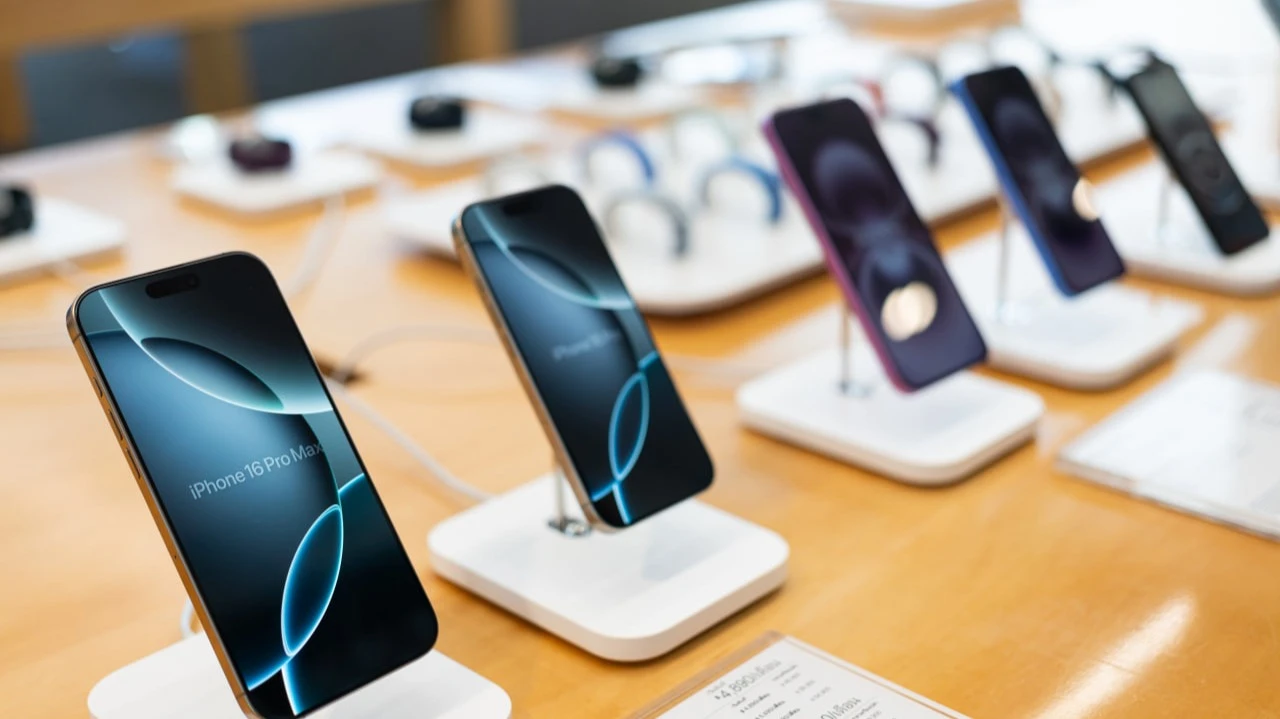
Along with the new Air model will be the iPhone 17, 17 Pro and 17 Pro Max. They will look familiar - in fact, it's the same iPhone 16 with minor exterior changes. It's expected that the iPhone 17 may feature a slightly larger screen (6.3 inches vs. 6.1 inches for the iPhone 16), as well as a display with a 120Hz refresh rate instead of the current 60Hz. Another improvement is a 24-megapixel front camera. New color variants - purple and green - are also expected to appear, TechCrunch specifies.
There is a possibility that the iPhone 17 Pro will change materials: the titanium frame around the screen may be replaced by an aluminum one. This will reduce the production cost and make the device a bit lighter.
The Pro versions will have an updated camera and a redesigned back panel. They will also be available in orange color (Air, in turn, will come in light blue), writes Gourmet. The main innovation is a slightly increased thickness of the body, most likely to accommodate a larger battery, which will be a significant advantage for users, TechCrunch adds.
According to insider Instant Digital, the iPhone 17 could cost around $800, the iPhone 17 Pro around $1050, and the iPhone 17 Pro Max around $1250.
The Pro lineup remains a key driver of Apple's sales, and Gurman expects demand to continue this year despite modest updates and price increases due to duties.
The first foldable iPhone
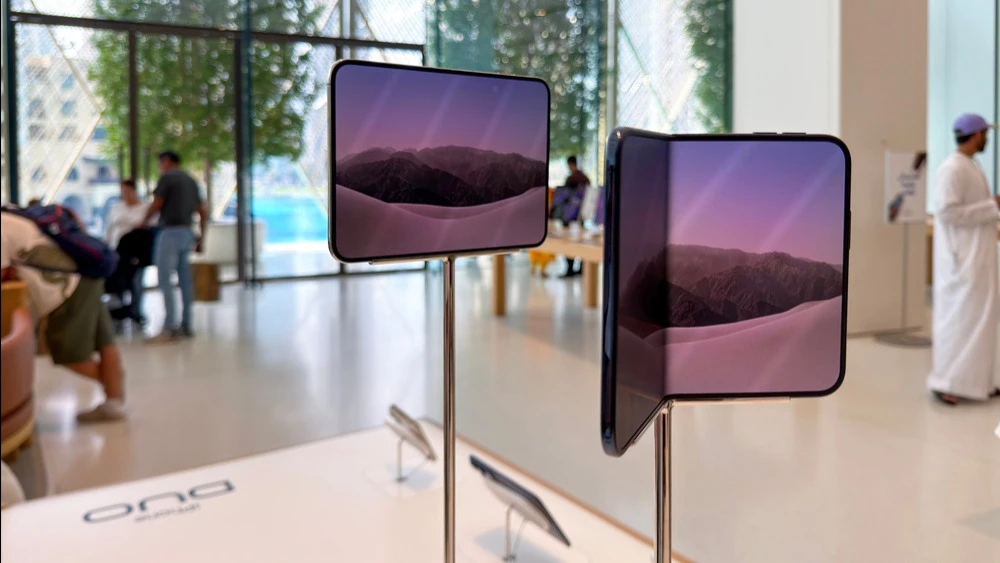
The main innovation is scheduled for 2026 - the first foldable iPhone. According to Bloomberg columnist, the device, codenamed V68, will be made in a "book" format like Samsung models and will be able to unfold into a compact tablet. The smartphone will have four cameras: one on the front and one on the inner panels and two on the back. Like the iPhone Air, it won't have a SIM card slot. Instead of Face ID, the Touch ID fingerprint scanner will return, making the model "retro" in a way. Gurman expects that the novelty will arouse high interest among buyers who are ready to pay for the most advanced Apple solutions.
Apple's suppliers have already started work on the new model and are preparing to ramp up production early next year to release the device in the fall of 2026. Gurman notes that foldable smartphones have long been expected from Apple, and Samsung's experience has shown that such formats are in demand among advanced users and video enthusiasts. The expert believes that, having tried devices of this type, many are unlikely to want to return to the classic smartphone.
While Apple's plans could still change, the company is currently testing a foldable iPhone with suppliers in black and white colors only. The device will use the C2 modem, Apple's first proprietary chip with capabilities comparable to the latest Qualcomm solutions. The same modem will also appear in the iPhone 18 Pro lineup, which will look little different from the 17 Pro, according to the reviewer.
Apple has recently made changes to its foldable smartphone screen technology. Initially it was planned to use on-cell sensors, which are different from those installed in already released iPhones. However, they create air gaps between the display and its coating, which makes the fold on the unfolded screen look more noticeable. Now the company is switching to in-cell technology, closer to the current solution in the iPhone. This should reduce the severity of the crease and improve the accuracy of touch response, Gurman notes.
What else will be new
In 2027, Apple will celebrate the 20th anniversary of its smartphone with the release of the iPhone 20 model with a curved glass body. Developers will for the first time abandon the straight edges in the smartphone, which have been used since 2020, and move to a shape with smooth curves on all sides. The revised design will be combined with the new Liquid Glass interface for iOS and other operating systems, which is scheduled to launch as early as next month, according to the expert.
Bottom line: 2025 won't be a revolutionary year for the iPhone, but it will set the stage for major changes in 2026-2027, making the coming years especially interesting for Apple fans, Gurman notes.
As for other Apple devices, a number of new products are expected this fall, though many of them will be only minor updates, writes Gourmet.
The company is preparing an updated Apple Watch, more productive Vision Pro headset and iPad Pro with M5 processor. We should also expect new AirPods Pro headphones (it was previously reported that they will be equipped with a heart rate sensor), updated HomePod mini smart speakers and Apple TV media players.
By early 2026, the lineup will include the iPhone 17e, budget iPads and new versions of the iPad Air. In addition, MacBook Pro and MacBook Air laptops based on the M5 are expected, as well as new Mac accessories, including an external monitor, according to the reviewer.
There will also be a new product category, such as the long-awaited HomePod with a screen. This will finally put Apple in direct competition with Amazon and Google for customers in the smart home segment, Gurman notes. The device will be accompanied by a new home operating system called Charismatic.
Apple may unveil new cases as well. Three weeks before the event, a leak about a line of TechWoven cases for the iPhone 17 Pro has surfaced. They will be made of a higher quality woven material compared to the discontinued in 2023 FineWoven series and will probably get a variant with a shoulder strap, TechCrunch writes.
The company has smart glasses without a display, a desktop robot, a cheaper and lighter headset, AirPods with cameras, a giant foldable iPad, and a home surveillance camera system in development, the expert said.
The key product for Apple remains the iPhone, and the update plan presented confirms its steady position at the center of the company's product line, Gurman emphasized.
What's new in Apple's services
Apple is set to boost revenue by launching its paid Health+ service, an AI-based "healthy assistant" offering nutritional and medical advice. The company also plans to increase the cost of TV+ subscriptions and introduce a unified AppleCare One package. The services segment has long been the company's fastest-growing and most profitable area, Gurman notes. With products such as the App Store, AppleCare and Apple Music, it has become a $100 billion-a-year business - the largest source of revenue after the iPhone.
Apple and AI
Voice assistant Siri is at a crossroads, and two possible paths are being considered. The company could continue to provide the service using Apple's own Foundation Models frameworks or switch to using third-party models, Gurman notes.
If Apple chooses the third-party option, it will also need to decide on a partner. The company has discussed deals with three different vendors: Google, Anthropic, and OpenAI.
Negotiations with Anthropic have been quite extensive, and Apple is already using that company's technology in internal tools and even in some custom features. Apple programmers are actively writing code in a custom version of Xcode that uses Anthropic's Claude. The new version of Xcode for third-party developers also allows Claude to be plugged in, and Gurman expects more integrations with it in the future.
Apple also asked Google a few weeks ago to use their Gemini language model to train an AI that could run on Private Cloud Compute servers and power Siri, the Observer writes. Google is now training and developing this model with Apple's support. It is still unclear what decision Apple will eventually make, but it is clear that the company's management is seriously considering an option with an external partner, the expert notes.
It's important to emphasize that the partnership talks have nothing to do with separate initiatives to integrate OpenAI's ChatGPT and Google's Gemini into Siri to handle general inquiries, Gurman writes.
This article was AI-translated and verified by a human editor