US and Iran accused each other of violating truce after strikes. What about oil?

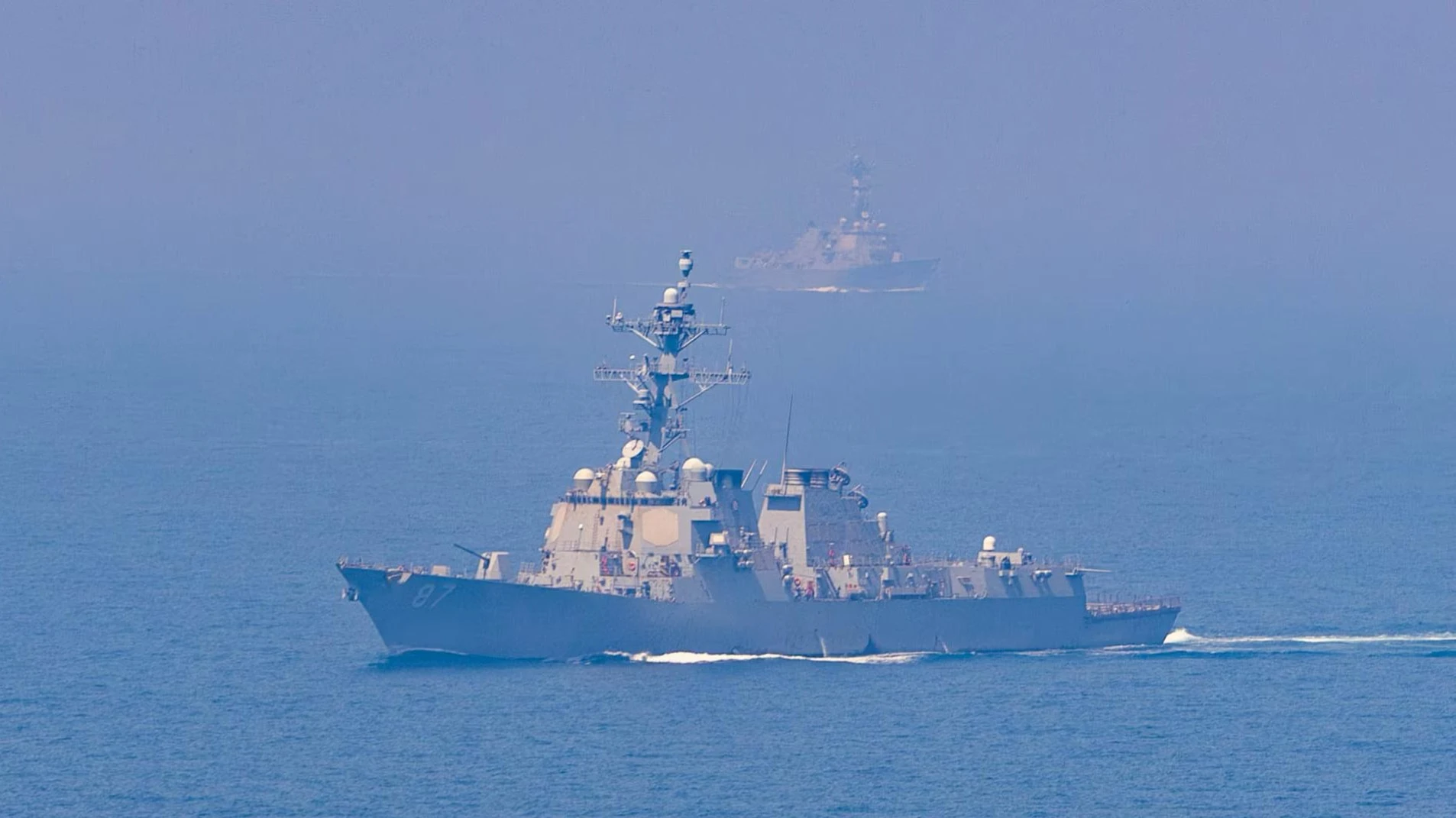
Photo: U.S. Central Command
The U.S. and Iran have exchanged blows and accused each other of violating the truce.
What the U.S. said
The U.S. Armed Forces have struck Iranian military facilities in response to Iranian attacks by missiles, drones and small craft against U.S. naval vessels in the Strait of Hormuz. This was stated by the US military's Central Command (Centcom). It claims that no American assets were affected by the strikes.
According to the report, three U.S. vessels - USS Truxtun, USS Rafael Peralta and USS Mason - were crossing the Strait of Hormuz toward the Gulf of Oman when they came under Iranian attack. In response, the U.S. Armed Forces eliminated the threat and "struck Iranian military facilities responsible for the attack on U.S. forces, including missile and drone launch sites, command and control centers, and intelligence, surveillance, and reconnaissance nodes."
"Centcom does not desire escalation but remains on standby to protect U.S. forces," the command said in a statement.
What Iran is claiming
In turn, Iran accused the United States of attacking two ships in the Strait of Hormuz and civilian residences, Reuters reported, citing a spokesman for the Iranian military's general staff.
According to Tehran's version, the US attacked an Iranian oil tanker traveling along the Iranian coast of the Gulf of Oman near the city of Jask toward the Strait of Hormuz, as well as a vessel entering the Strait of Hormuz near the port of Fujairah in the Arab Emirates.
In addition, Iran claims that the U.S., in coordination with "some countries in the region," organized air attacks on civilian areas along the coast of the cities of Bandar Khemir, Sirik County and Qeshm Island (located on the shores of the Strait of Hormuz).
Air raid sirens went off in Tehran, Reuters writes, citing Iran's Mehr news agency.
What about the oil
Brent oil in the last minutes of trading on Thursday, May 8, accelerated growth to 2% and ended the day at $103.37 per barrel, according to data from the Intercontinental Exchange. At the same time during the day the price of raw materials fell to almost $96 per barrel. The American oil WTI rose in price by 2.9% - to $97.6 per barrel.
Context
The truce between the US and Iran has been in effect for a month. The two countries have exchanged blows as the US waits for Iran's response to Washington's proposal to end the war, Reuters writes. Just a day ago, US President Donald Trump was saying that Washington and Tehran had made progress in talks and were very likely to be able to strike a deal. Prior to that, Axios sources reported that the sides were nearing an agreement that would resolve the conflict.
A U.S. proposal under consideration by Tehran would halt the fighting but leave unresolved most of the issues on which the sides' positions diverge, including Iran's nuclear program, Reuters says. The agency's sources said the proposal includes three stages: formally ending the war, resolving the crisis over the Strait of Hormuz and opening a 30-day window to negotiate a broader agreement.
On Thursday, Ma. 7, Israel reported the killing of a Lebanese Hezbollah commander in a strike on Beirut a day earlier. This marked the first Israeli attack on Lebanon since a cease-fire was established between the countries in April. An end to Israeli strikes on Lebanon was one of Iran's conditions in talks with the U.S., Reuters noted.
The Strait of Hormuz is critical to the world's oil and gas supplies. Before the war, about 20% of global energy resources passed through it.
This article was AI-translated and verified by a human editor