US announces interception of two Iranian supertankers. Oil, $104

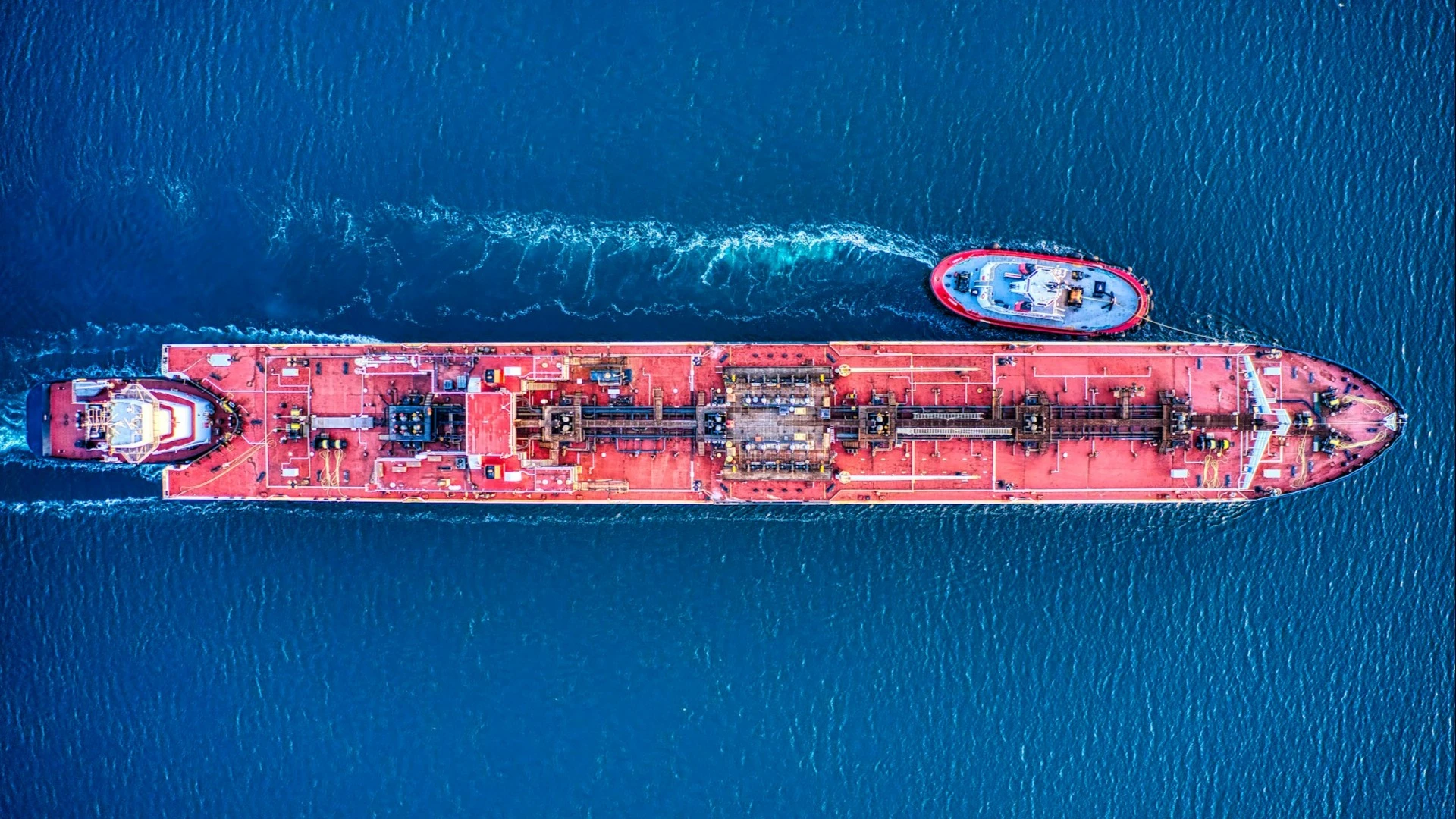
Photo: Venti Views / unsplash
The U.S. military reported intercepting two Iranian oil supertankers trying to circumvent the U.S. blockade in the Strait of Hormuz.
Details
It is about large Iranian tankers for transportation of crude oil Hedy and Hero II, follows from the message of the U.S. Central Command in the X. On the eve of the analytical company Vortexa with reference to monitoring data reported that these tankers managed to leave the Persian Gulf and move to the Arabian Sea, Bloomberg writes. The U.S. military rejected the data and said the Iranian ships Hedy and Hero II were anchored in the Iranian port of Chabahar on the Gulf of Oman - after being intercepted by U.S. forces this week. Another oil tanker, the Dorena, is escorted in the Indian Ocean by a U.S. Navy destroyer after it attempted to violate the U.S. blockade, the U.S. military indicated.
In total, the U.S. Central Command said in a statement, the U.S. has deployed 29 tankers during the U.S. blockade of Iranian ports and ships in the Strait of Hormuz.
Against the background of these reports, at the beginning of trading on April 23, the cost of Brent crude oil with delivery in June jumped to $106.15 per barrel, then it slowed down and at the time of publication is trading at $104.58 (plus 2.59% relative to the closing level the day before). Contracts for North American WTI are also growing by 2.56% and cost $95.34 per barrel.
Context
On April 22, the British Navy reported that at least three ships in the Strait of Hormuz were fired upon. Uncertainty in the Middle East led to a fall in shares in Asia on April 23, states CNBC. In particular, the Japanese Nikkei 225 ended the day in the minus by 0.75%, the Chinese CSI 300 fell by 0.28%. South Korea's Kospi, in turn, at the beginning of the trading session updated the historical maximum at 6557.76 points, but closed in the end slightly lower - at 6475.81, adding 0.9%.
Earlier this week, US President Donald Trump announced the extension of the ceasefire in the Middle East, which was due to expire on April 22. The American leader linked his move to the split within the Iranian leadership and the lack of a unified position on peace talks in Tehran. Trump said the United States would refrain from continuing attacks on Iran "until [Iranian] leaders and representatives can develop a unified proposal [to resolve the conflict]." The ceasefire established by Washington will remain in place indefinitely, White House spokeswoman Caroline Leavitt said on the evening of April 22. "He [Trump] is in no hurry," she added later in an interview with Fox News, noting that Washington is now waiting for a response from Tehran.
This article was AI-translated and verified by a human editor