US inflation accelerates to 2.5 year high due to fuel prices. What's next?

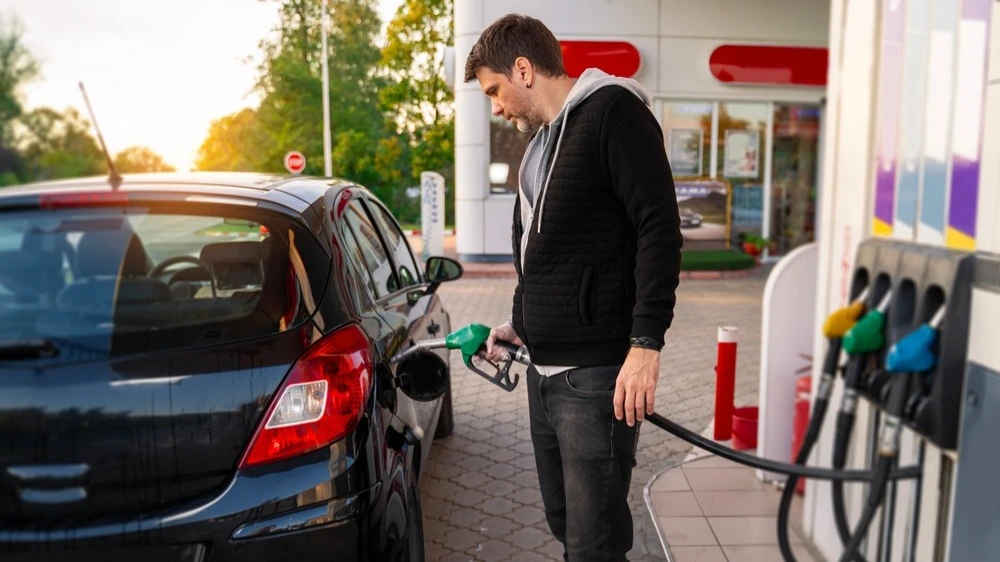
US inflation rose to a 2.5-year high / Photo: Phoenixns / Shutterstock
Consumer Price Index (CPI) in the U.S. in April rose by 0.6% compared to data for March and by 3.8% in annual terms, according to data from the U.S. Bureau of Labor Statistics. Analysts expected to see this indicator at 3.7%. Thus, annual inflation in April showed the maximum growth in more than 2.5 years - since September 2023, notes Reuters.
A month earlier, in March, inflation in the States was 0.9% in monthly terms and 3.3% in annual terms. The US Fed's inflation target is 2%.
New data shows how the war with Iran is affecting global fuel and food prices, Yahoo Finance notes. Rising gasoline prices were probably the main factor behind the acceleration in inflation last month, Reuters writes.
Economists surveyed by Bloomberg expected CPI to rise by 3.7% year-on-year in April and 0.6% year-on-year in March. The March CPI, in turn, showed the highest monthly increase since 2022, the period when inflation peaked amid Russia's war against Ukraine.
What's in the markets
Futures on the S&P 500 fell by 0.4%, futures on the Nasdaq 100 - by 1%. Exchange contracts on Dow Jones lost 0.1%.
What does that mean
The acceleration of inflation in the US in April is likely due to a sharp rise in energy prices amid the war, Yahoo Finance writes. According to the U.S. Automobile Association (AAA) as of Ma. 12, the average price of gasoline in the country is $4.5 per gallon - about 44% higher than a year ago.
The rising cost of fuel is already starting to be reflected in the cost of travel. According to travel booking service Kayak, the average price of airline tickets for domestic flights in the U.S. reached $365 between April 27 and Ma. 3 - up from $346 shortly after the war began. The cost of international flights has increased even more dramatically, from $805 in early March to about $1100, according to the latest available data, Yahoo Finance points out.
Rising energy prices could eventually push up food prices as well, notes Yahoo Finance. This may happen as diesel fuel becomes more expensive. Although the most noticeable effect on consumers will probably not appear immediately, the portal notes.
What's next?
Financial markets expect the US Federal Reserve to keep interest rates unchanged until at least 2027. Two consecutive strong inflation reports could increase political risks for US President Donald Trump and the Republican Party ahead of the midterm elections in November, Reuters notes.
"Everyone is beginning to realize that [politicians'] promises to reduce the cost of goods and services were a fairy tale. People were barely staying afloat before, keeping their heads above water, and now they are being pulled underwater. There's nothing left to breathe," said Boston College economics professor Brian Bethune (quoted by Reuters).
"Retailers are unlikely to start cutting prices after cutting the effective duty rate in February following the Supreme Court ruling, but the pressure for companies to raise prices further has eased," Reuters quoted Samuel Tombs, chief U.S. economist at Pantheon Macroeconomics, as saying.
"The problem is that ordinary working people don't live in a world of core inflation (rising prices of goods excluding food and energy). They live in an environment of more expensive gasoline and more expensive groceries, and that's what hits them," said Sung Won Sohn, a professor of finance and economics at Loyola Marymount University.
This article was AI-translated and verified by a human editor