What is happening in Dubai's real estate market and how does it affect UAE banks?

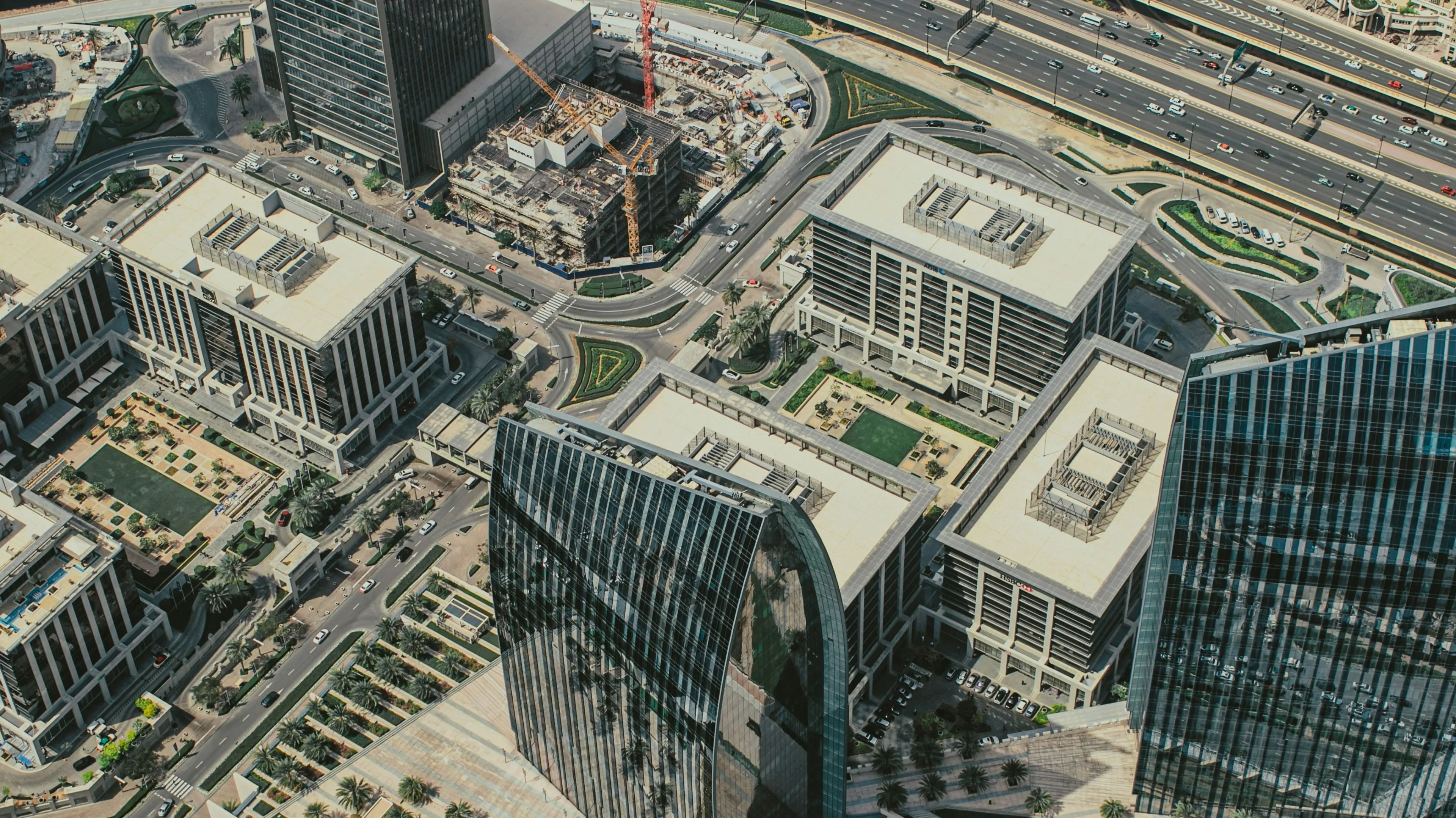
Developers began scaling back projects even before the military conflict in the Middle East began. Photo: Shutterstock
Housing prices in Dubai have gone down for the first time since 2020. Bloomberg attributes the March drawdown to the pressure of the war on demand, but bank reports show that the market began to lose momentum even before the conflict. UBS points to a decline in new construction contracts, primarily due to the risk of oversupply in Dubai. Bank of America (BofA) against this background revised its forecasts for UAE banks: analysts expect weaker loan growth and higher risk costs.
First decline in five years
The main signal of cooling of the real estate sector, which analysts pay attention to in the UBS report (available at Oninvest's disposal), is not the price of a square meter, but the volume of new project contracts. According to the bank's calculations based on Middle East Economic Digest data, the total amount of new project contracts in the UAE in the first quarter of 2026 fell by about 22% year-on-year to $28.3 billion. This is the first decline for the first quarter since 2021. Meanwhile, Abu Dhabi saw a decline of 4.6% and Dubai saw a decline of around 29%.
UBS emphasizes that developers started cutting back on projects even before the military conflict in the Middle East began, especially affecting the real estate market. In residential construction, the volume of new contracts in the first quarter fell by 46% year-on-year in Dubai and by about 42% in Abu Dhabi.
UBS analysts explain the decrease in the number of projects by growing fears of market oversaturation, primarily in Dubai: according to developers' plans, residential projects worth $22.5 billion should be completed in the emirate in 2026 - twice as much as in 2025. Another $27.4bn is planned for 2027. UBS notes that actual commissioning is usually noticeably lower than announced, and current schedules may not yet take into account potential delays amid the military conflict.
According to ValuStrat, Dubai's house price index fell by 5.9% in March from the previous month. This is the first monthly decline since 2020. At the same time, Bloomberg specifies that over six years, housing prices in the emirate have grown by about 70%, so the March slump does not yet look like a collapse: even after the decline, the index returned to the level of September 2025.
Why Dubai
UBS analysts note that Dubai's decline is stronger than Abu Dhabi's due to the fact that the emirate's market is much more heavily tied to construction. In 2024-2025, this area accounted for about 72% of the value of all new project contracts in Dubai.
Within the emirate's construction boom, housing was the key segment. Between 2023 and 2025, just over half of contracts by value were for apartments, with another 24% for houses and villas. In total, that's $75.6 billion, or about 4.6% of the UAE's GDP over the same period.
Abu Dhabi appears less reliant on housing, according to UBS, with the largest contracts in Abu Dhabi coming from the gas sector - $8 billion for two gas processing plants - and transportation, including $5.5 billion for the first phase of Etihad Rail.
Impact on banks
Cooling of the real estate market will have an impact on the financial sector of the UAE, analysts of BofA say in the report, which was read by Oninvest. Construction and real estate account for 13.5% of loans in the UAE banking system. In addition to direct loans, banks have other real estate-related exposures: guarantees, securities and facilities on their balance sheets.
In its calculations for UAE banks, BofA has factored in slower loan growth and higher loan loss costs - increasing provisions in case some borrowers start to default on their debt. The bank expects average loan growth to slow to 7% in 2026 and then accelerate to 12% due to pent-up demand and stronger lending to state-owned and state-related companies. The cost of risk will rise to 65-66 basis points in 2026-2028 versus 45 basis points in 2025, according to BofA's forecast.
Real estate risk is unevenly distributed among UAE banks: First Abu Dhabi Bank has the highest share of such loans - about 16-17% of the loan portfolio. Dubai Islamic Bank has 13%, Abu Dhabi Commercial Bank - 11%, Emirates NBD - 7%. Abu Dhabi Islamic Bank has the lowest share: about 2%. At the same time, BofA notes that in recent years, all UAE banks have reduced risks associated with lending to construction and real estate: developers maintained a high level of liquidity and gradually reduced the debt load.
UBS believes that possible pressure on UAE banks' profits is already partially reflected in their share prices. Since the beginning of the conflict, UAE banks' shares have fallen by 8%. By comparison, Qatari bank stocks have lost 5%, while Saudi Arabian bank stocks have gained 5%.
This article was AI-translated and verified by a human editor