'Worst-case scenario is already priced in': US stocks rise to a record high

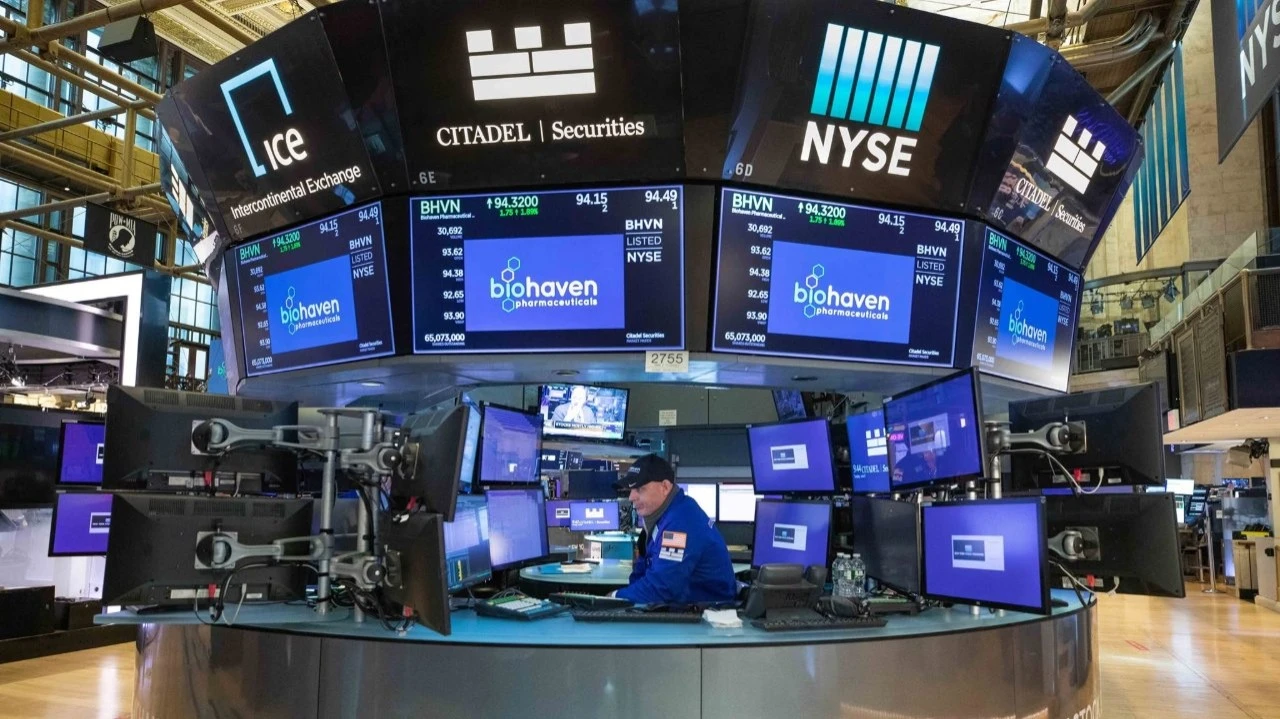
Photo: NYSE
S&P 500 and Nasdaq Composite indices reached records. A series of strong company reports and the extension of the truce with Iran have again strengthened the appetite for risk after two days of decline, Bloomberg writes. At the same time, the situation in the Strait of Hormuz remains tense, accelerating the cost of oil.
Details
- The S&P 500 broad market index rose by 1.1% in trading on Wednesday, April 22, hitting an all-time high.
- The technology Nasdaq Composite jumped 1.6% and also reached a new record at the end of trading - already the fourth this year, MarketWatch calculated. Shares of chip makers rose for the 16th consecutive session - the longest such cycle in history, the publication points out.
- The blue-chip index Dow Jones Industrial Average added 0.9%, coming close to leaving the correction zone. For this purpose it lacks growth of 193 points.
- The Russell 2000 index of small and mid-capitalization companies was up 0.5%.
- Bitcoin also benefited from increased investor appetite for risk: it rose by almost 5% and traded at more than $78,900. At the same time, quotes rose to $79,173 - the highest intraday level since February 2, according to Dow Jones Market Data. The value of cryptocurrency-related companies also jumped: Strategy's capitalization, for example, added more than 9%.
- Oil prices also rose: despite the truce, there are no signs that the Strait of Hormuz will soon be reopened for energy supplies, Bloomberg recalls. Futures for Mark Brent added 3% - to $101.4 per barrel, but in the course of trading almost reached the mark of $102.
What investors were watching
U.S. President Donald Trump's announcement of an extended truce with Iran dramatically improved investor sentiment, and was not spoiled even by the news that the truce would last only 3-5 days. Still, Bloomberg notes, tensions remain high, with Tehran maintaining control of the Strait of Hormuz, blocking a key trade route and shelling and seizing ships. The U.S., for its part, has not lifted its blockade on Iran-linked vessels. However, at least one Iranian tanker crossed the strait on Wednesday, according to the LSEG tracking system, CNBC reported. A total of eight ships, including three oil tankers, have traveled this route. Before the war, daily traffic exceeded 100 vessels.
A new round of peace talks may take place as early as Friday, the New York Post reported. At the same time, according to the Iranian agency Tasnim, the country's authorities do not plan to participate in the dialog, considering it a "waste of time. Tehran calls the lifting of the naval blockade a condition for the talks.
Despite geopolitical risks, the market is supported by strong corporate reports, including Boeing and GE Vernova, as well as renewed interest in the topic of artificial intelligence and a generally robust economy. According to Bloomberg, about 81% of companies in the S&P 500 have already beaten Wall Street's expectations for first-quarter earnings.
What the analysts are saying
- After a relief rally thanks to an extended truce that brought the market back to all-time highs, stocks may be ready for a correction, according to Goldman Sachs. The bank's analysts warned clients not to increase the share of risky assets in portfolios, as the probability of a new stock market decline is higher than the probability of further growth. At the same time, they consider a potential sell-off as a reason to avoid risk, but they do not change their general view on stocks, expecting the S&P 500 to grow by about 6.7% by the end of the year.
- While such a rapid market reversal may make some investors dizzy, this recovery is showing signs of a structural shift rather than a short-term blip, MarketWatch wrote, quoting Nationwide chief market strategist Mark Hackett. "Sentiment has improved but remains constructive rather than euphoric. That said, more stocks are on the move and the market is not signaling the overbought conditions typically associated with growth exhaustion," he wrote.
- The situation is both "calm and chaotic," described Kenny Polcari of SlateStone Wealth. "While the conflict with Iran continues, investors are already starting to look past it and focus on the really important things," he noted. - "We've seen this before: loud headlines, market reaction, a spike in volatility - and then things stabilize and the focus returns to fundamentals.
- Despite the continuing uncertainty and bellicose rhetoric of the parties to the conflict, the markets are looking ahead, agrees Rick Gardner of RGA Investments. He believes that "the worst-case scenario is already built into prices".
This article was AI-translated and verified by a human editor