Worst day in three weeks: investors crashed the tech stock index by 2%
Pressure on the market was exerted, among other things, by the words of Goldman Sachs and Morgan Stanley executives that investors should prepare for a correction

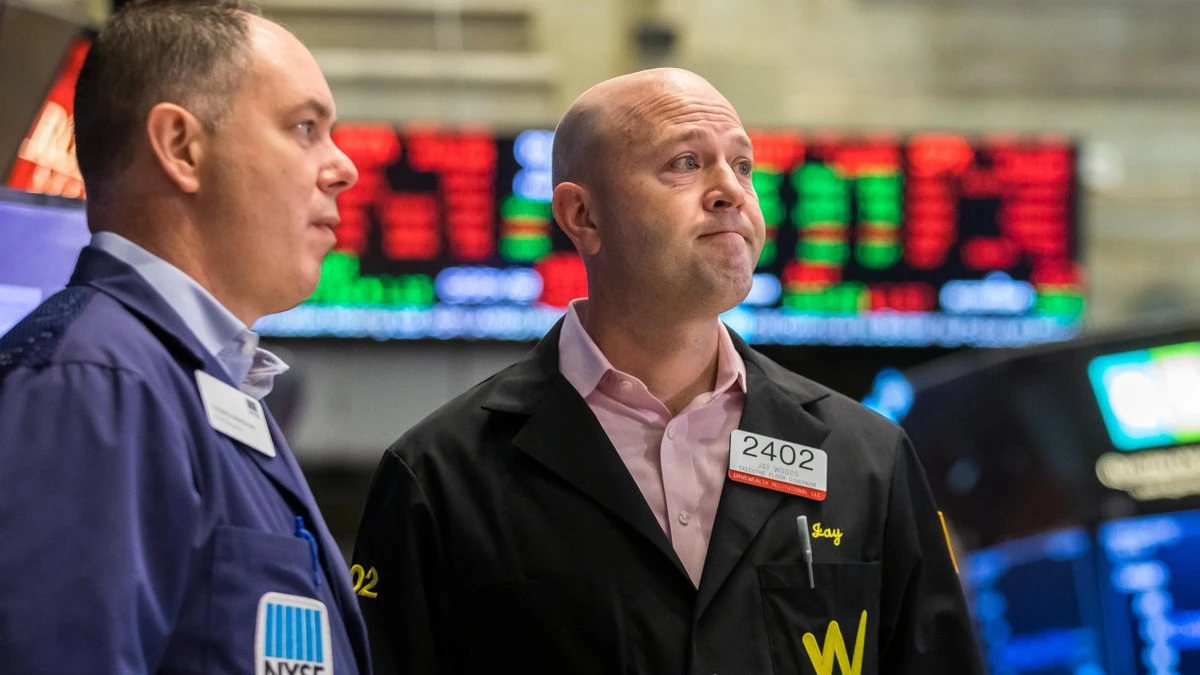
U.S. stocks collapsed in trading on November 4. For indices S&P 500 and Nasdaq Composite the fall became the sharpest for more than three weeks, notes Marketwatch. Risky assets, primarily technology stocks, suffered the most from the selloff. Long-standing concerns about their inflated valuations intensified amid a series of warnings from Wall Street giants Morgan Stanley and Goldman Sachs, who urged investors to prepare for a correction.
Details
- The Nasdaq Composite index of the technology sector lost 2% on November 4 due to the fall in shares of companies related to artificial intelligence. Palantir shares fell by 8%, Nvidia, Oracle and AMD - by 4%, and Amazon - by almost 2%.
- The S&P 500 broad market index was down 1.2 percent.
- The Dow Jones Industrial Average blue-chip index fell 0.5 percent.
- Bitcoin collapsed more than 6%, at one point falling below $100k for the first time since June.
- Gold fell 1.7% to $3946 an ounce.
What influenced the stock
Nasdaq Composite and S&P 500 indices sagged under the pressure of the sell-off in artificial intelligence-related stocks: investors are once again concerned that the securities of the bull market leaders are overbought and overvalued, CNBC explains. For example, shares of military and civilian AI developer Palantir, up more than 150% since the beginning of the year, are trading at a forward P/E multiple of more than 200 to earnings. This means investors are counting on continued strong earnings and revenue growth to justify current prices, CNBC writes. Compounding market concerns, hedge fund manager Michael Berry reported bearish bets against Palantir and Nvidia.
The rise in AI securities has pushed the stock price-to-earnings ratio of the S&P 500 index above 23 - near highs since 2000, according to FactSet.
AI stocks have been pulling the market up in recent months, but according to Anthony Saglimbene of Ameriprise, without a pullback, such valuations are starting to look "really excessive."
"We haven't seen a major correction or pressure on the market since April," the market strategist said in an interview with CNBC. - Profits remain strong, but investors are starting to wonder: given the pace of capital expenditures by major tech companies, will we see enough earnings growth next year to justify this level of capex?"
The analyst explains that the market has been "moving on a narrow front" for months now, and if the momentum of AI and tech companies slows, or there is a short-term pullback, there are simply no other strong sectors that can pull the market up. "And if the economic data is inconclusive and earnings for most companies in the S&P 500 index are not as strong, where does an investor go?" - Saglimbene added.
Additional pressure on shares was exerted by comments of Goldman Sachs and Morgan Stanley executives. Goldman CEO David Solomon said that "the stock market is likely to correct by 10-20% over the next 12-24 months." Morgan Stanley CEO Ted Pick added: "We should be prepared for a 10-15% decline, not necessarily caused by any macroeconomic shock."
This article was AI-translated and verified by a human editor