Amazon pressures competitors to expand delivery. What will happen to the stock?
Amazon has doubled its fresh food delivery coverage. Analysts name this factor among the main drivers of the online retailer's future growth

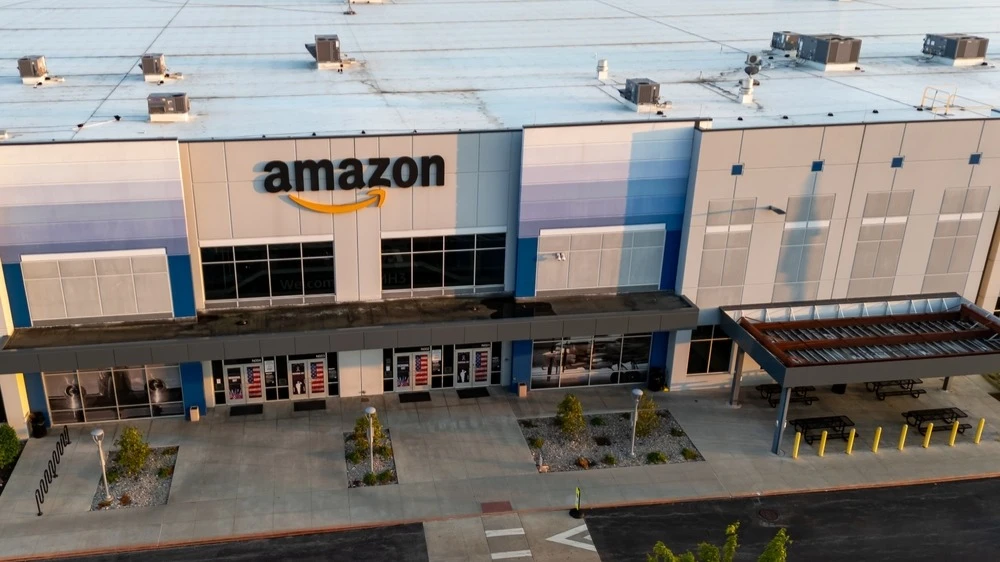
Shares of Amazon rose on December 10 after the company announced the expansion of its perishable food delivery service. At the same time, the securities of the online retailer's competitors - Instacart, DoorDash, Kroger and Walmart - went down. TD Cowen analysts predict that, among other things, thanks to the development of the grocery delivery service, Amazon's securities could add about 30% more in 2026.
Amazon shares were slightly corrected (-0.7%) in the Dec. 11 premarket amid weak Oracle sales and earnings results that pressured the technology sector in the U.S., Europe and Asia.
Details
Amazon's shares rose nearly 1.7% in trading on Dec. 10 on news that the company is expanding its same-day delivery network for perishables to more than 2,300 U.S. cities and towns - more than double its previous coverage, company officials said. Investors expect this to help the e-commerce giant strengthen its position in the more than $1 trillion grocery shopping market, Barron's wrote.
Against the backdrop of these expectations, quotes of Amazon's competitors fell in trading on December 10: securities Maplebear, the parent company of Instacart, lost 7%, shares of DoorDash fell by 4.2%, Kroger - by 2.6%, Walmart - by 1.6%.
Amazon has long delivered food through its Amazon Fresh and Whole Foods Market services, but only recently began including "same-day" delivery of perishables in its standard services along with other items. Testing of Amazon's expedited perishables delivery program took place in August and covered about 1,000 U.S. cities.
Amazon is also testing an "Amazon Now" service with delivery in 30 minutes in select American cities. This service, Barrons notes, has the potential to actually reduce the wait time for a food order to the level of a pizza delivery.
What Amazon's competitors are doing
Many grocery retailers have been ramping up investments in digital infrastructure for years in an effort to keep up with Amazon, Barron's notes. For example, Walmart is developing its Walmart+ service, testing drone delivery and ultra-fast delivery formats in less than an hour. The chain of department stores Target in an attempt to provide delivery of goods on the day of the order relies on the service of fast delivery Shipt. Meanwhile, grocery retailers like Kroger are using a hybrid approach to delivery - their own channels plus partnerships with Instacart and DoorDash delivery services.
Instacart, in turn, is developing its technology solutions business and promoting white-label platforms (platforms for partnership, where one company produces a product and another sells it under its own brand) for retailers. Another courier service, DoorDash, is expanding beyond the US, acquiring Deliveroo in the UK and strengthening its presence in Europe.
What analysts are saying about Amazon
Amazon enters 2026 with "notable acceleration," according to analysts at TD Cowen, who named the company their top recommendation among Internet megacap giants in a Dec. 10 note, MarketWatch writes. Analyst John Blackledge highlights growth in Amazon Web Services' (AWS) cloud division, growth in its e-commerce and advertising businesses, and continued improvement in profitability as key factors supporting the stock's potential.
Amazon has not been among the favorites of the "Magnificent Seven" this year: since the beginning of 2025, the securities of the online retailer have added about 5%, while the shares of other major companies from this group have grown noticeably stronger: Microsoft has added about 15.5%, Apple - about 13.1%, Meta - about 9.5%, and Nvidia - about 34% since the beginning of the year. Still, Blackledge estimates the upside potential for Amazon's securities at about 30% from current levels in 2026. On December 10, he reiterated a "buy" recommendation on the company's shares and a target price of $300.
What Amazon can grow on
The main benchmark for investors remains steady revenue growth in AWS's cloud division, with Amazon's web segment accelerating to 20% growth in the third quarter of 2025. Blackledge believes AWS revenue will grow by about 2% each year between 2025 and 2030. This, according to the analyst, will be facilitated by the expansion of AI processes and an increase in available capacity.
Blackledge adds that "faster delivery times and lower delivery costs are encouraging Amazon customers to increasingly buy everyday items on the platform. The company is actively investing in logistics and order fulfillment, introducing automation and robotization to improve warehouse operations and inventory management efficiency, the analyst notes. These measures, he believes, should reduce the operating costs of the company's e-commerce division and improve margins.
TD Cowen estimates that the next big driver of Amazon stock may not be AI, but rather the development of online food sales and fresh goods delivery services.
Analysts on Wall Street are also confident in Amazon's continued growth. According to MarketWatch, the majority of experts, 71, recommend buying the company's stock, while three advise holding.
This article was AI-translated and verified by a human editor