Bitcoin is up nearly 4%. Why not all crypto traders see reason for optimism
Cryptocurrency tested the $74,000 mark amid geopolitical tensions and ETF inflows

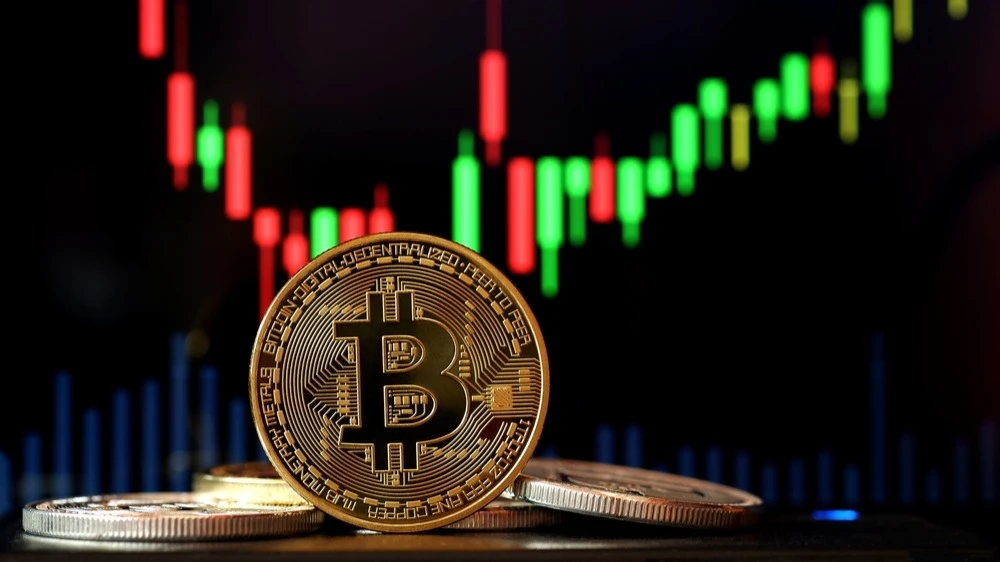
Bitcoin rose 3.7% in trading on March 16. Photo: Oporty786/Shutterstock
Bitcoin rose 3.7 percent to surpass $74,400 in trading on March 16 as traders continued to react to geopolitical uncertainty surrounding the war in Iran. However, the cryptocurrency later partially eroded the gains and fell to $73,600. Analysts surveyed by Bloomberg are divided into two camps regarding the crypto market. Some believe that once the Middle East becomes calmer, the price of bitcoin will quickly jump to $100,000. Others believe that the most difficult time is still ahead and the price could fall even lower.
What optimists are saying about bitcoin
While bitcoin has historically been considered a speculative bet, over the past two weeks it has been behaving more like a hedging tool in times of geopolitical stress, Bloomberg notes. While bitcoin was strengthening on Monday, oil prices were losing gains gained after U.S. President Donald Trump called on countries to help reopen the Strait of Hormuz, a critical trade route.
Iran's claims that the strait is closed only to "enemy" ships implies a threat only to U.S. and Israeli ships, Jeff May, chief operating officer of the BTSE exchange, pointed out. "If there is a sense that the conflict is nearing an end, bitcoin could recover very quickly and return to the $100,000 mark," May told Bloomberg. - If the conflict drags on, however, bitcoin could fall back to the $60,000 level."
Last week, bullish sentiment prevailed in the crypto market despite geopolitical instability, Orbit Markets co-founder Caroline Moron recalled. "A breakout of the $75,000 mark now seems likely as both retail and strategic buyers feel that the worst phase of the crypto market's drawdown is behind us," she said.
Meanwhile, inflows into exchange-traded funds (ETFs) indicate a return of confidence among institutional investors, Bloomberg adds. Net inflows into 12 traded spot bitcoin ETFs in the U.S. exceeded $763 million last week. The funds raised a total of $1.3 billion in March.
"BlackRock's IBIT fund accounted for about 78% of those flows. This concentration reflects confident buying rather than speculative rotation," said BTC Markets analyst Rachel Lucas.
What crypto pessimists are pointing to
The situation on the market is now developing according to one scenario: the price of bitcoin rises slightly, investors start betting massively on its fall, which eventually leads to a sharp jump in the rate up, says strategist and trader at market maker Wintermute Jasper De Mere. That said, bitcoin is traded far less now than it was at the end of 2025, when it was worth between $85,000 and $95,000. Due to low volumes, the price has become less stable and can change sharply from any impulse, the analyst said.
Almost all this year, the bitcoin price has been treading between $60,000 and $75,000, Bloomberg adds. After reaching a record high of $126,000 in October, quotes have been trending downward, and short-term rebounds clearly lack support from buyers, Bloomberg points out. According to Andrei Kobelich, head of derivatives trading at AMINA Bank, this pattern was characteristic of previous "bear" markets: a sharp sell-off, a 20% correction, and then stagnation. He notes that the market now has no impetus for a breakout.
At the same time, in the analyst's opinion, the risks to bitcoin go beyond the conflict in the Middle East. Problems in private lending, persistent inflation and limited room for maneuvering of central banks may provoke a new shock. Kobelic's base case scenario is a short-term relief rally followed by another cyclical downturn as investors move into commodities and other inflation hedging instruments.
Investor interest is now really focused on hard assets - oil and metals, which is why digital alternatives have stagnated, Bloomberg specifies. Carlyle Energy Pathways analyst Jeff Curry made a comparison with the commodities boom after the dot-com crash, calling this period a revenge of the old economy. The expert advises to invest in "reliable things" like raw materials and metals, which are always in demand. The logic is simple: the world now has big problems with the delivery of goods. Not only oil, but also gas, fertilizers and materials for industry are in short supply. Because of the attacks on factories and the danger to ships in important straits, these problems will not be solved quickly - it will take months, Curry says.
Even on crypto markets, tokens that mimic commodity prices are drawing liquidity, Bloomberg points out. Oil is now among the most traded contracts on the Hyperliquid platform, which offers round-the-clock trading, the agency summarizes.
This article was AI-translated and verified by a human editor