"The market has never seen such a shortage": metal for drones and missiles overtakes gold in growth
War in Iran catalyzes tungsten price growth

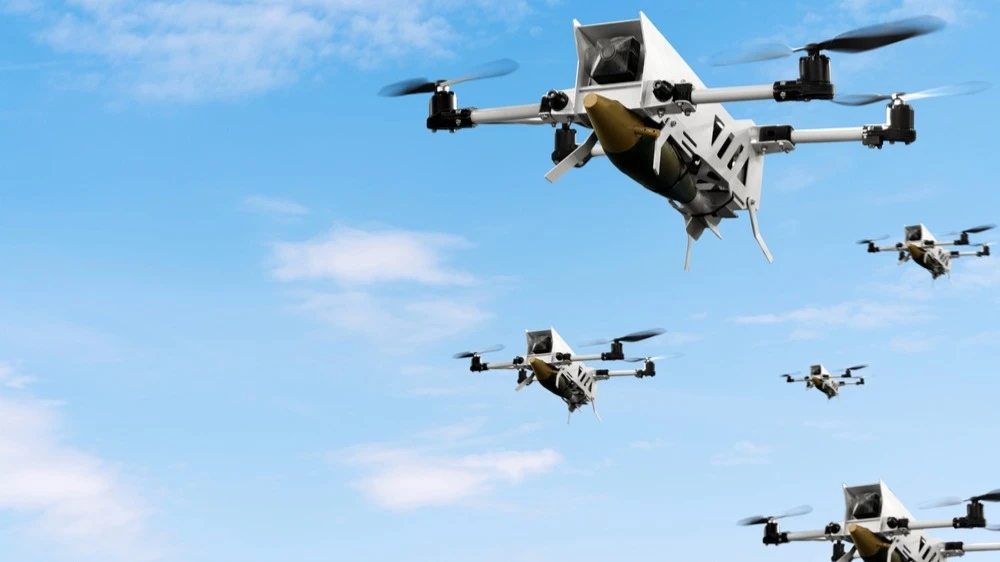
Tungsten parts provide drones with espionage, surveillance and combat capabilities / Photo: Barillo_Images/Shutterstock.com
The tungsten market faced an unprecedented shortage, which led to a rally that left behind such a traditional protective asset as gold. Increased demand for tungsten from the military against the backdrop of the inability to rapidly increase production is forming an investment window of opportunity lasting about two years.
Details
Since February 2025, the value of tungsten, an ultra-dense refractory metal whose carbide is one of the hardest substances on Earth, has soared 557%, outperforming gold. The fundamental reason was a sharp decline in supplies of tungsten by its main producer: shipments from China fell by about 40% after Beijing placed tungsten products on export control lists. With buyers' stocks depleted, the war in Iran acted as a catalyst, accelerating the growth of quotations due to military demand, states Bloomberg.
The main consumers of tungsten have traditionally been civilian industries: metal processing, construction and aerospace. Nevertheless, rising defense spending has exacerbated tensions in the tungsten market. Carbide tool maker Ceratizit, part of Austria's Plansee Group, is trying to reduce supply risks by collecting and recycling tungsten scrap. Swedish engineering group Sandvik also recycles used tools into high-quality tungsten powder.
What the analysts are saying
"The ongoing conflict in the Middle East is a contributing factor to the latest price spike," emphasized Janine Le Roux of Project Blue. She predicts that military tungsten consumption, including use in aircraft and munitions, is set to grow by 12% in 2026.
As the tungsten market is small, shortages could trigger further price rises before the situation stabilizes, said David Argyle, co-founder of Arlington Innovation Partners. It will take about two years for new mines in Spain, Brazil, Australia and the US to start up, so investors have "at most a 24-month window when the situation will remain frustrating and annoying," he warned.
"In my 12 years of working in exchange-traded commodities markets with lots of weird and wonderful metals, I've never seen a market as tight as the one now for tungsten," said George Heppel, vice president of commodities research at BMO Capital Markets. He said the war in Iran was a "stark reminder" of the metal-intensive nature of modern warfare: "Hundreds and thousands of drones, and hundreds and thousands of missiles and drones countering them. Tungsten has a big role to play in this."
This article was AI-translated and verified by a human editor