Bitcoin spoiled market sentiment: US stocks fall for the first time after five days of gains

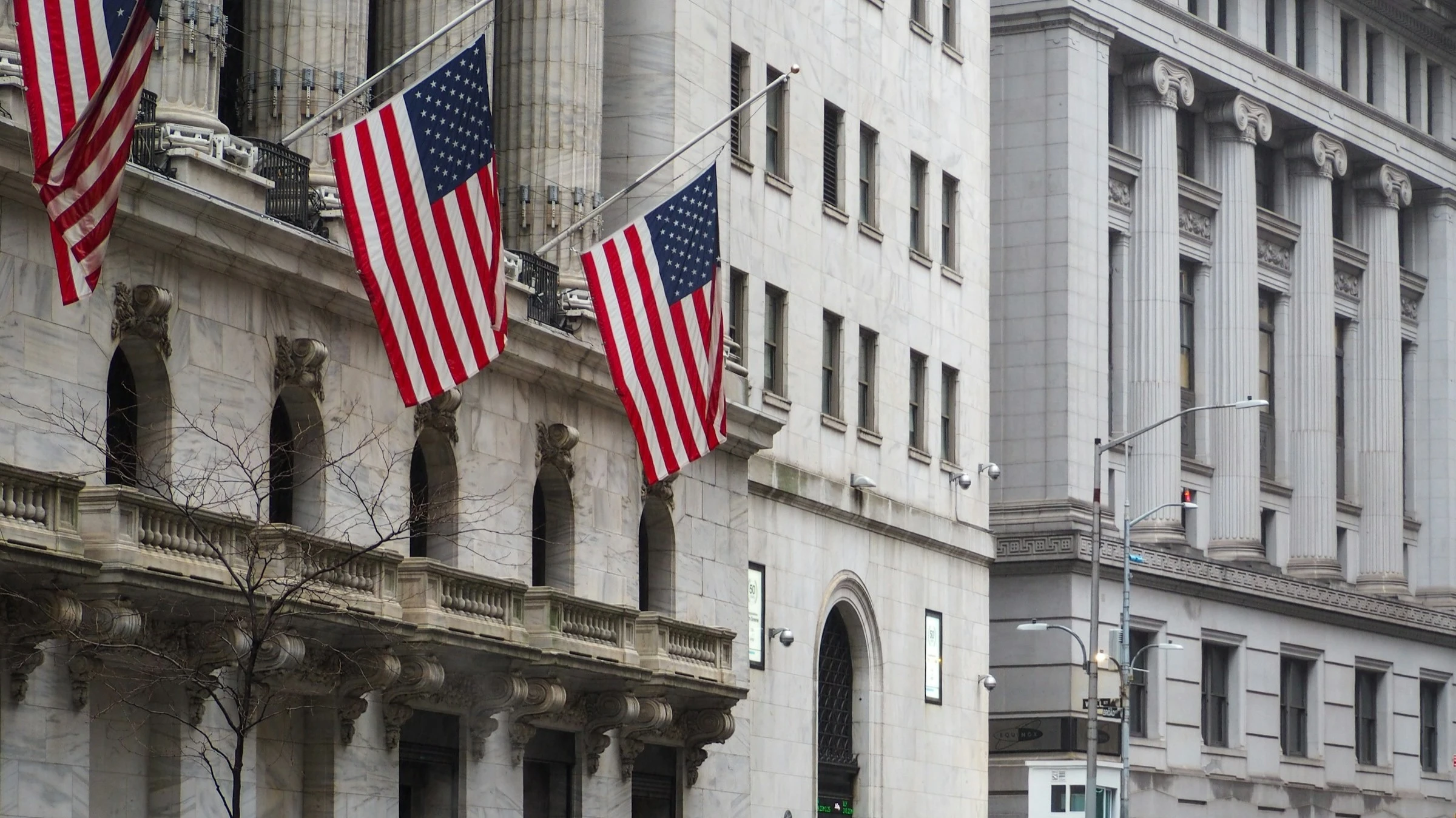
On the first day of December, bitcoin lost more than 8% in the moment, falling below $84,000, and this affected the mood of the entire U.S. stock market. All three major US stock indices - the S&P 500, the Dow Jones Industrial Average and the Nasdaq Composite - ended the day down, breaking a streak of five consecutive days of gains.
Details
The broad market index S&P 500 declined on Monday by 0.53%, the index of the technology sector Nasdaq Composite - by 0.38%, and the index of "blue chips" Dow Jones Industrial Average lost 0.9%. At the same time, the "Wall Street Fear Index" CBOE Volatility Index (VIX) jumped by 5.4%. However, it still remains below the level of 20 points, which indicates high volatility.
Apple shares reached a new record on Monday. They rose by 1.5% to $283.1. On the other hand, Broadcom shares plummeted by 4.2% and Super Micro Computer shares by 1.3%, indicating further profit taking in individual securities in the artificial intelligence sector, CNBC notes. Shares of Nvidia, the largest AI processor maker, rose 1.65% on Dec. 1.
Bitcoin slowed its rate of decline to about 6% by the close of the stock exchanges - the largest cryptocurrency by capitalization was trading at about $85,700, the CoinGecko service shows. Bitcoin's fall on Monday led to nearly $1 billion in margin position liquidations, Bloomberg calculated. The token lost about 30% of its value over the month. The token's selloff affected shares of cryptocurrency-related companies such as Coinbase and Strategy, down 4.8% and 3.3%, respectively.
Brent crude prices rose 1.4% after the OPEC+ cartel, led by Saudi Arabia and Russia, decided to keep crude output unchanged instead of increasing production.
What drove the market
The first full-fledged trades after Thanksgiving were held in the USA: the stock exchanges did not work on November 27, and closed earlier than usual on November 28. At the same time, Wall Street ended last week with strong growth: the Dow and S&P 500 rose by more than 3% over the five trading days, the Nasdaq - by almost 5%. However, November was extremely volatile. The S&P 500 and Dow ended the month with minimal gains, while the Nasdaq fell 1.5%, breaking a seven-month rally.
Now seasonality is playing into the market's hands, CNBC writes: According to Stock Trader's Almanac, the S&P 500 is up more than 1% on average in December, the third strongest month of the year in the statistic since 1950.
"Stocks are going through a digestion period," Robert Schein, chief investment officer at Blanke Schein Wealth Management, told the TV station. - "But we think the fundamental backdrop for the market remains strong, especially given the high probability that the Fed will cut rates again next week [Dec. 9-10].
Data released on Monday showed that activity in the U.S. manufacturing industry in November contracted at the fastest pace in four months, Bloomberg writes. On Friday, inflation statistics (consumer price index (PCE) for September) is expected to be published, but other important indicators will be released during the week, including ADP data on private sector employment for November and preliminary estimate of consumer confidence for December, the agency noted. However, key data such as the official labor market report will be released after the Fed's December decision next week. This "sharply reduces the current week's ability to deliver any significant surprises in terms of the expected Fed rate cut," Forex.com's Fawad Razaqzada explained to Bloomberg.
This article was AI-translated and verified by a human editor