World markets started December with a decline. Investors are waiting for important economic data

U.S. stock futures fell, European trading opened in the negative, cryptocurrency prices collapsed: markets switched to risk avoidance mode in anticipation of a series of important macroeconomic publications in the U.S., which will be released this week, explains Bloomberg.
Details
Exchange-traded contracts on the S&P 500 were down 0.4% on Dec. 1, while Nasdaq Composite futures were down about 0.6%.
European markets began trading in the negative: the pan-European index Stoxx 600 lost 0.2%, while the German DAX fell by 0.6%. The French CAC 40 fell by 0.2%, the British FTSE 100 declined, but then almost completely compensated for it.
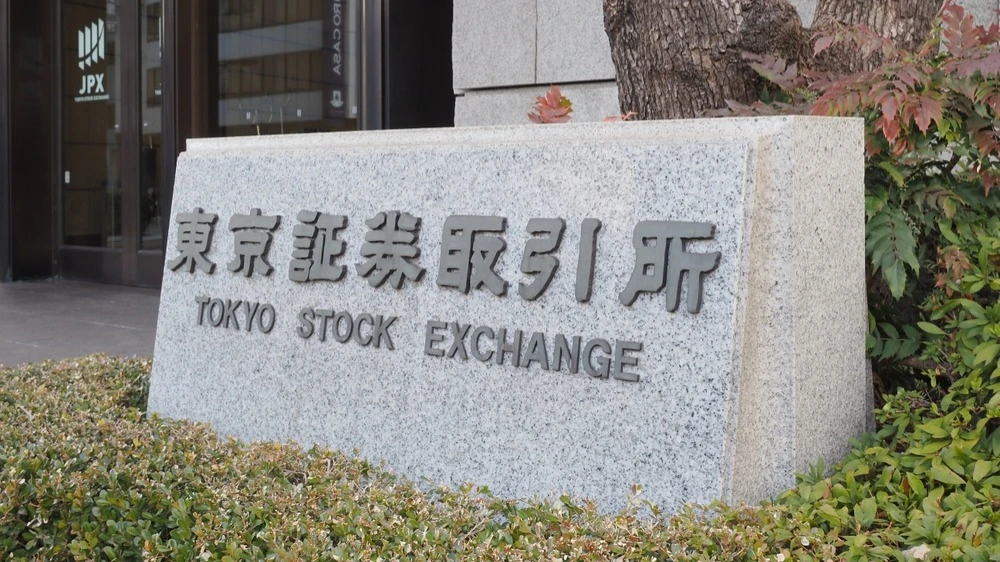
In Asia, the leader of the fall was the Japanese market: indexes Nikkei 225 and Topix collapsed by 1.9% and 1.2%, respectively. The yen strengthened by 0.4%, indicates Bloomberg. The pressure intensified after the head of the Bank of Japan Kazuuo Ueda signaled a possible rate hike at the December meeting. Against the background of his comments, the yield on the country's two-year government bonds rose to the maximum since 2008, reflecting the growing expectations of policy tightening, Reuters reports .
The MSCI All Country World index, which measures the performance of global equities, fell 0.1% in November after seven straight months of gains. The rally stalled amid cooling interest in fast-growing AI companies due to concerns about overheated valuations and overly ambitious spending. The index added about 0.5% on average in December over the past decade, according to data compiled by Bloomberg.
- Bitcoin's price collapsed by 5.2%, at one point falling below $86k, but then the cryptocurrency recovered some of its losses.
- The Bloomberg Dollar Spot Index stabilized Monday after four days of declines, the agency points out.
- Oil rose in price after OPEC+ confirmed plans to maintain a pause in production increases in the first quarter. The price of Brent Mark jumped by 1.9%, while North American WTI added 2% of its value.
What the market is waiting for
In the coming days, investors will receive important benchmarks on the state of the US economy, including data that has not been released due to the government shutdown. Among the key releases are consumer spending statistics, labor market reports, ISM business activity indices for manufacturing and services, and updated inflation figures. These releases should help markets understand whether the US Federal Reserve will maintain its current easing course.
According to CME FedWatch, a tool that monitors expectations for the regulator's decisions, traders are now laying down about an 85% probability that the Fed will cut rates by 25 basis points at its next meeting.
Additional uncertainty in the markets is added by the expectation of a decision on the White House nominee for the post of head of the Fed, who will replace Jerome Powell in May. According to President Donald Trump, he has already decided on a candidate. His economic adviser Kevin Hassett is considered the favorite, sources told Bloomberg.
"Investors are now very cautious and are in no hurry to build up risk ahead of important macroeconomic releases and events," said Jeong In Yoon, CEO of Fibonacci Asset Management Global. According to him, the market has moved into a wait-and-see mode.
"So far, [economic] data confirms a soft landing, and that supported the stock market rally ahead of Thanksgiving," wrote Sevens Report's Tom Essaye. - However, many unknowns remain, and there are lurking risks that the economy is not as strong as investors believe, given the lack of government statistics in recent months."
This article was AI-translated and verified by a human editor