Boeing predicted positive cash flow in 2026. Stocks have the best growth since April
Statements from a top executive who only joined the company in August bolstered investor confidence

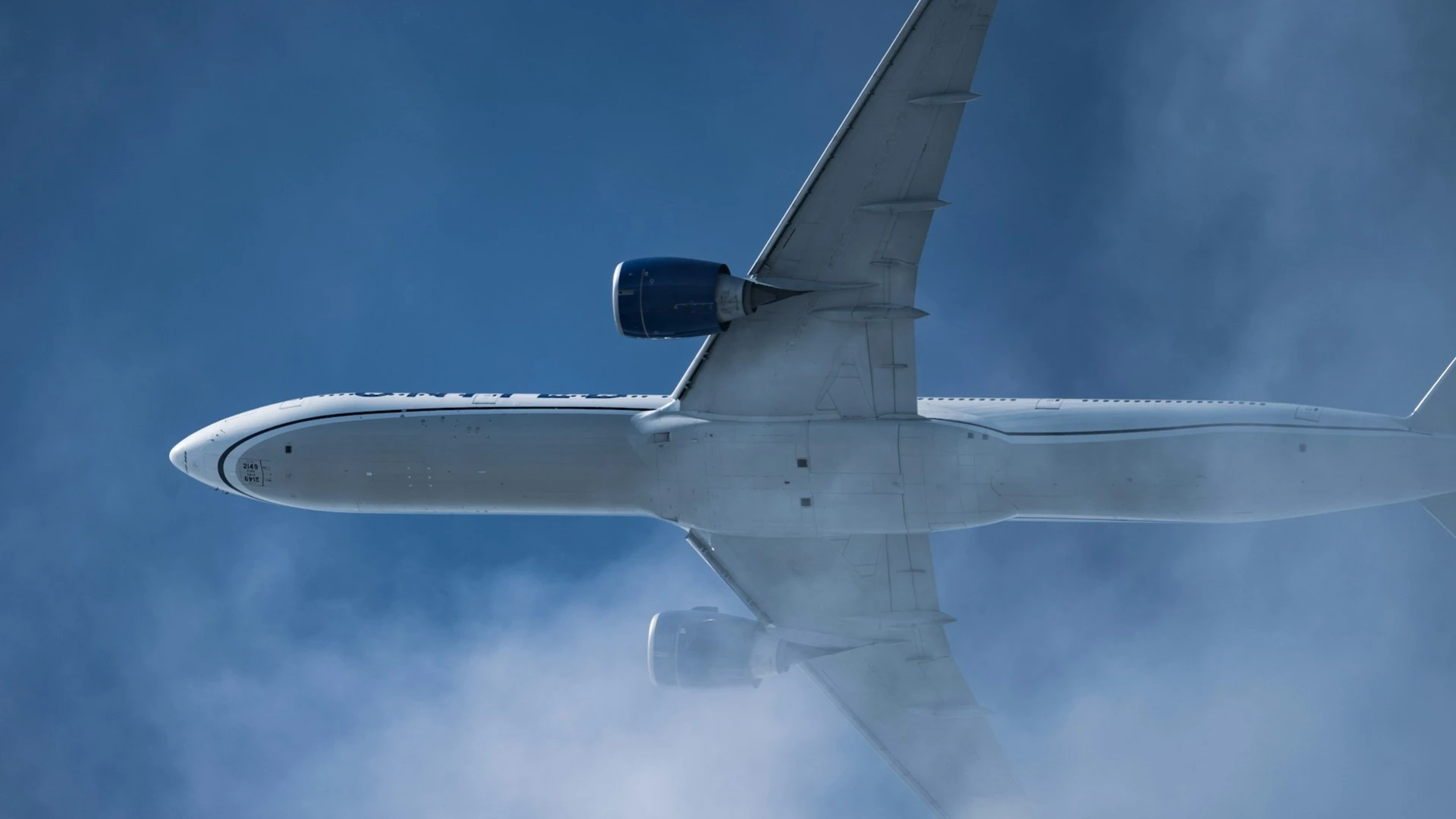
Aerospace corporation Boeing has predicted that in 2026 it will start generating positive free cash flow again. This will be an important turnaround in restoring its balance sheet after several crises in a row, Bloomberg notes. Investors reacted positively: the company's shares jumped more than 10%, showing the best growth for the day since April.
Details
Aircraft maker Boeing expects positive free cash flow in the "low single digits" (about 1-3%) next year, Boeing Chief Financial Officer Jay Malave said Dec. 2 at a UBS investment conference. This was reported by Bloomberg.
Positive free cash flow would be significant progress for Boeing after the $2 billion loss expected for 2025, the agency said. Malave's comments were the company's first detailed forecast for 2026, it added. That's important because Boeing expects to accelerate its recovery next year, provided deliveries grow and the supply chain stabilizes, Bloomberg explained.
Boeing's annual free cash flow hasn't been positive since 2023. In the first half of this decade, Boeing accumulated a cumulative loss of $39 billion, including $13.1 billion last year, Bloomberg calculated.
How the market reacted
After Malave's statements, Boeing shares jumped 10.2% at the end of trading on Dec. 2 to reach $205.4. The papers showed the best growth rate for the day since April, Bloomberg noted. Now the shares of the aircraft manufacturer are 16% more expensive than they were at the beginning of 2025.
Malave's statements bolstered investor confidence, especially amid concerns about the sustainability of Boeing's recovery after the company wrote off $4.9 billion in October due to another delay in its 777X jetliner, said Bloomberg Intelligence analyst George Ferguson.
While Boeing had previously forecast improved cash performance next year, Malave's words carry extra weight because he comes from an outside company: joining Boeing in August from rival Lockheed Martin, Ferguson added. "Concretizing next year's plans is a good confirmation that Boeing's operations remain on the right track," the analyst said.
What else the aircraft manufacturer has announced
In the longer term, Boeing is still aiming to reach the $10 billion free cash flow target set by the previous management team, Malave confirmed. This goal was originally set for 2025, but has been repeatedly postponed due to a series of crises.
"There is no reason why we cannot achieve that when we get to a higher rate of production," Ma said. - I am absolutely confident that we are in a position to secure $10 billion."
The top manager also noted the steady improvement in production rates at Boeing plants, primarily for the 737 Max and 787 Dreamliner programs, as well as a reduction in aircraft inventories. In addition, he said profitability growth in the defense division and steady expansion of the after-sales service business.
At the same time, in 2026 Boeing is facing a large payment to the US Justice Department in a case related to two 737 Max crashes. In addition, Malave warned that the largest modification of the Max lineup, the Max 10, is unlikely to be certified before the end of 2026, and some deliveries will be pushed back to 2027.
Boeing also has $8 billion in debt payments to make in 2026, and another $3 billion of Spirit AeroSystems debt to repay after the acquisition of that supplier is finalized.
What the analysts are saying
Analysts estimate Boeing could show $2.46 billion in free cash flow in 2026, Bloomberg writes. Those estimates have been more than halved since July due to another delay in the certification of the 777X, which has put the largest airliner in production more than seven years behind schedule. Malave said the delay is creating "pressure" of about $2 billion in cash flow.
Rothschild & Co Redburn on December 2 reiterated its recommendation to buy Boeing shares, but lowered its target price by 6% - from $270 to $255. However, this still implies a 24% increase from Tuesday's closing price. According to Rotschild, the decline in Boeing shares after the publication of the report for the third quarter created a favorable opportunity to buy the securities.
In total, according to MarketWatch, of the 28 analysts tracking the aircraft maker's securities, 23 recommend "buy" the stock, four recommend "hold," and only one recommends "sell." The Wall Street consensus target price is $248.2, which is 21% above the current share price.
This article was AI-translated and verified by a human editor