BofA: Key risk for small caps in Iran conflict is oil-driven stagflation shock

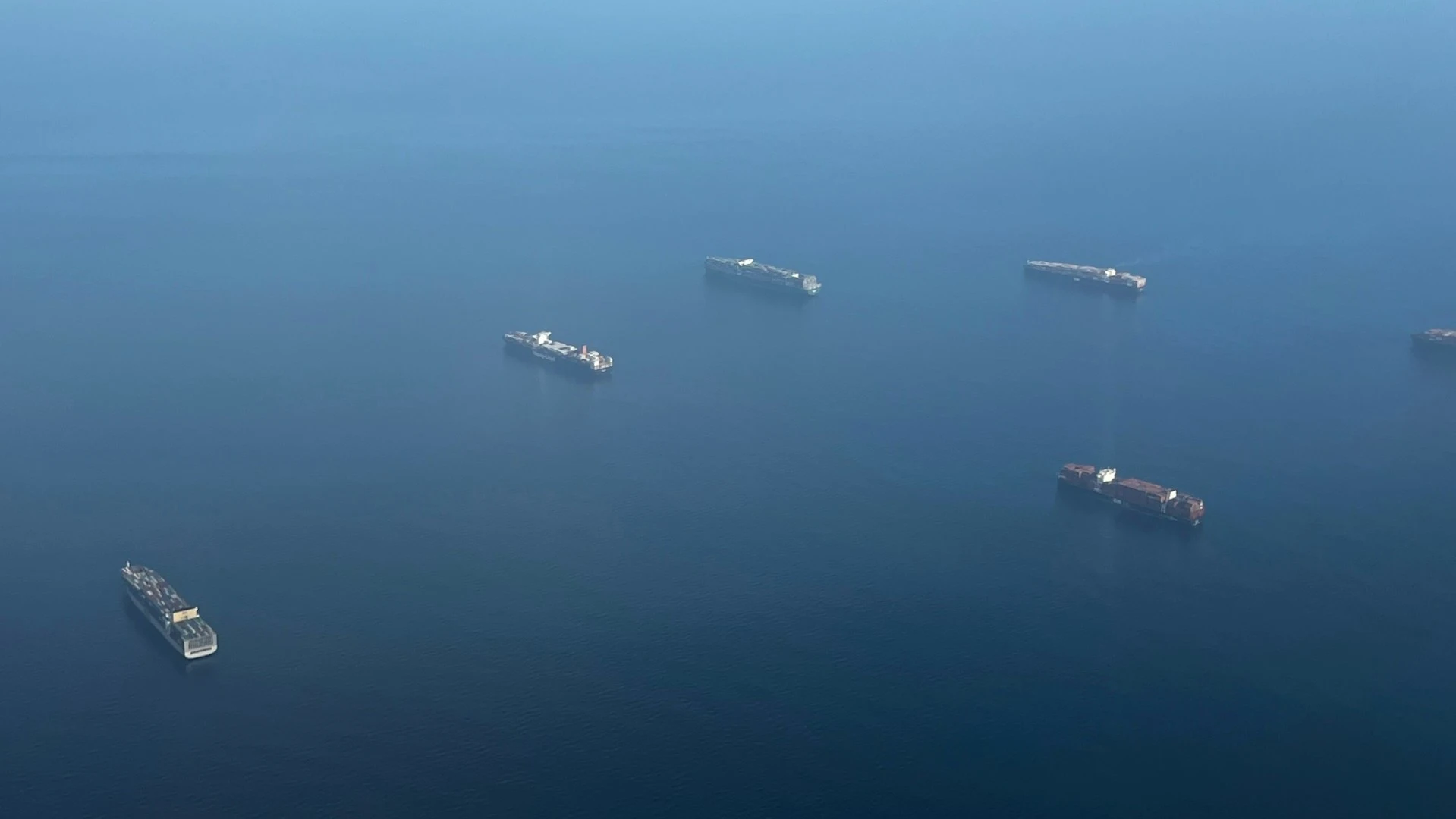
Further escalation of the conflict in the Middle East leaves small caps vulnerable to stagflation shock / Photo: Unsplash / Franklin Canelon
Small caps are more vulnerable than large caps to further escalation of the conflict in the Middle East, according to a BofA note. The main risk is a stagflation shock triggered by higher oil prices. At the same time, small caps tend to recover faster than their large-cap peers after risk-off periods, BofA points out.
Details
Further escalation of the Iran conflict could weigh on small caps, according to a note put out by BofA strategist Jill Carey Hall cited by Investing.com. She said the main threat for small caps is potential stagflation driven by rising oil prices. Brent crude might rise $10-15 per barrel if the conflict remains short-lived, but the increase could be $40-80 in the event of a prolonged shutdown of the Strait of Hormuz – a key route for global oil shipments – according to BofA.
Historical data shows that during risk-off periods the Russell 2000 index typically declines 8-11%, underperforming large caps by about 1-2 percentage points, Hall wrote. At the same time, small caps tend to rebound faster, often more than fully recovering within several months, and performing better in stagflationary environments.
Hall noted that even though small caps currently have "more exposure to industries that benefit from higher oil prices and less exposure to industries hurt by higher oil prices," their sensitivity to Fed policy is far higher today, which is seen as a "major caveat." As a result, if expectations of Fed rate cuts fade and markets begin pricing in the possibility of rate hikes, the Russell 2000 “is likely to be challenged,” Hall warned. She added that small caps with oil exposure but “limited exposure to refi risk may be best positioned” in the current environment.
Context
Amid the escalating conflict in the Middle East, Iran on Tuesday effectively announced the closure of shipping through the Strait of Hormuz, and threatened vessels attempting to pass through the waterway. Several tankers have been damaged, while about 150 ships and tankers are blocked in the area as of then. Oil prices surged in response. On Tuesday, Brent briefly rose above $85 per barrel, its highest level since July 2024. A day before, on Monday, QatarEnergy halted operations at two of its LNG facilities amid Iranian attacks, while Saudi Aramco suspended production at its Ras Tanura refinery.
Against this backdrop, the biggest gainers among small caps on Monday were shares of three tiny companies linked to oil production and transportation, whose stocks doubled and tripled on the day.