Oil has surpassed $85 a barrel. It's at its highest since July 2024

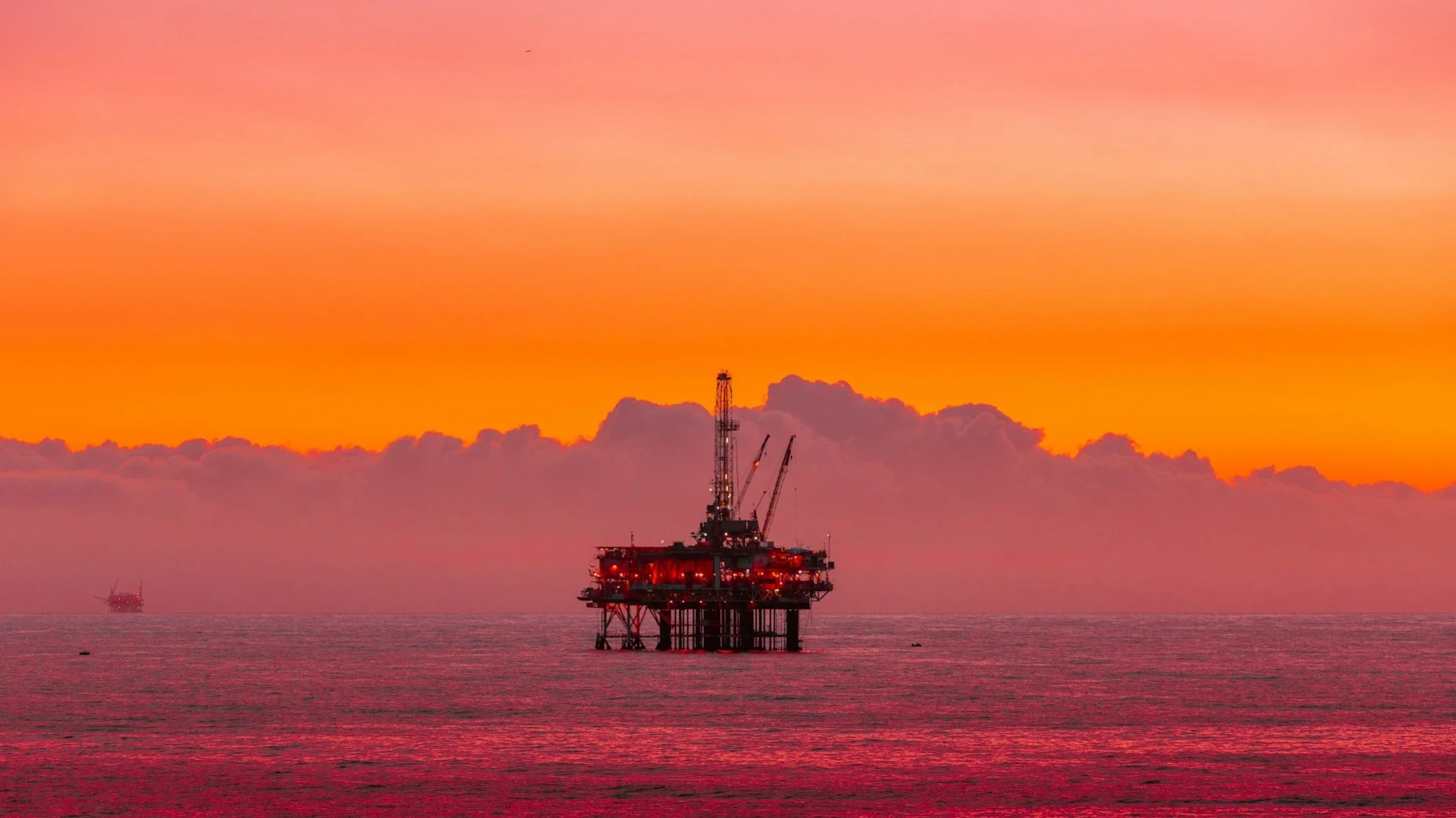
The cost of oil jumped 9% on the fourth day of the US-Iran war / Photo: Unsplash/Arvind Vallabh
The growth of oil prices accelerated at the trading on March 3. Quotes added more than 9% and exceeded $85 per barrel. The cost of raw materials reached the maximum since mid-July 2024. American oil West Texas Intermediate (WTI) grew by 7.2% - up to $76.4 per barrel.
Details
The rise continues for the second day in a row amid the U.S. and Israel's military conflict with Iran. The standoff is disrupting fuel supplies and heightening fears of further disruptions to oil and gas supplies from the Middle East, CNBC notes.
A day earlier, Reuters reported, citing Iranian media, that Iran was closing the Strait of Hormuz, through which oil from the Persian Gulf is exported. Iran will open fire on any ship that tries to pass through it, the agency quoted Ebrahim Jabari, senior adviser to the commander-in-chief of the Islamic Revolutionary Guard Corps, as saying. About 25 percent of the world's oil traffic passes through the Strait of Hormuz, making it one of the most important arteries for the market.
"While there are concerns about oil supplies through the Strait of Hormuz, the bigger risk to the market would be a possible expansion of Iranian strikes on additional energy infrastructure in the region. This could lead to more prolonged disruptions," Reuters quoted ING analysts as estimating.
What will happen to oil prices next?
Analysts expect oil prices to remain at elevated levels in the coming days as markets assess the impact of the escalating conflict, Reuters writes.
Bernstein on Monday, March 2, raised its baseline forecast for the 2026 Brent price from $65 to $80 a barrel, noting that in an extreme scenario of prolonged conflict, quotes could reach $120-150 a barrel.
Oil prices could rise above $100 a barrel if the conflict with Iran drags on, Helima Croft, head of commodity markets strategy at RBC Capital, noted in a note, Bloomberg reported.
Context
Since the beginning of the attacks in the region, oil and gas infrastructure in a number of countries has been shut down due to damage or for preventive purposes. For example, Qatar paused the production of liquefied natural gas, Israel stopped production at some gas fields, Saudi Arabia closed its largest refinery, and production in Iraqi Kurdistan virtually stopped, Reuters writes.
The Strait of Hormuz also plays a key role in LNG supplies, with more than a fifth of the world's LNG passing through this route. Iran has repeatedly threatened to block the strategic waterway, but has never completely blocked it. Nevertheless, tanker traffic through the strait has been effectively halted since Saturday, when the operation against Iran began, because of the risks to ships.
This article was AI-translated and verified by a human editor